
Google Fitbit Air & Health App: A Screenless Leap Forward
Quick Verdict Google's new screenless Fitbit Air, paired with the rebranded Google Health app and its AI Health Coach, marks a significant strategic shift. For those seeking discreet, comfortable, and long-lasting
Quick Verdict
Google's new screenless Fitbit Air, paired with the rebranded Google Health app and its AI Health Coach, marks a significant strategic shift. For those seeking discreet, comfortable, and long-lasting health tracking without smartwatch distractions, the $99.99 Fitbit Air offers compelling hardware. However, the true value will largely hinge on the unproven utility of the AI Health Coach and the willingness to pay a monthly subscription for personalized insights. While promising, a healthy dose of skepticism regarding AI-driven health advice and data privacy is warranted.
Diving into the Fitbit Air: Design and Comfort First
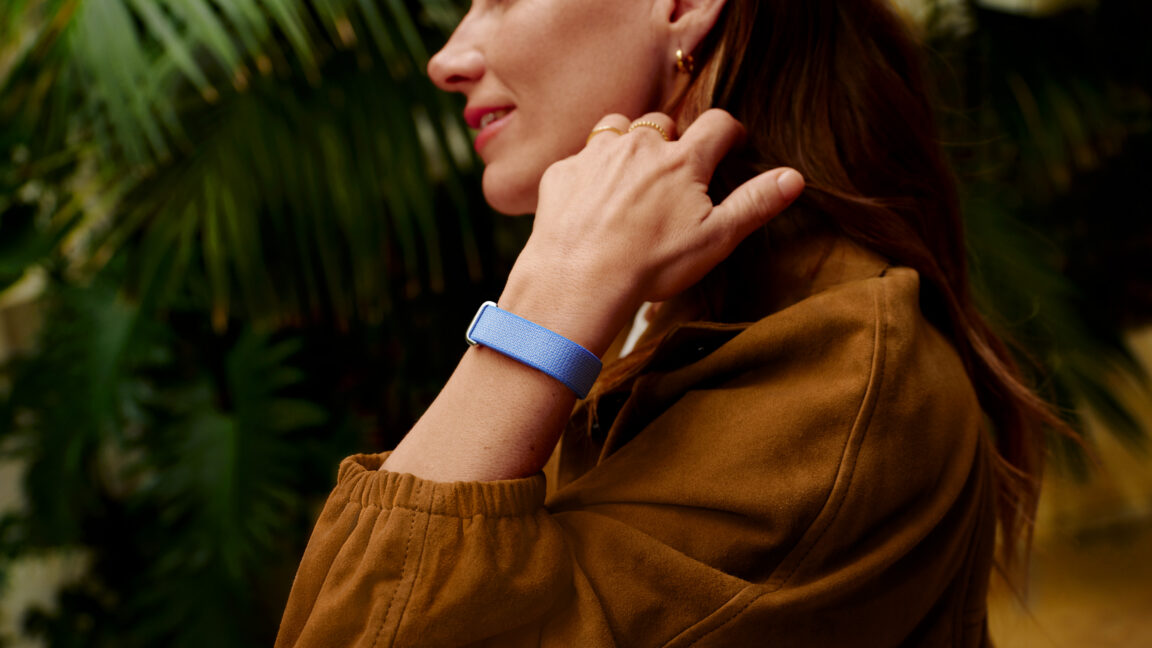
Google is taking a page from the past while looking to the future with the Fitbit Air, a device that harks back to the original screenless trackers but with modern sensor capabilities. Moving away from the smartwatch trend, the Air prioritizes data collection and discretion. It's an understated, small plastic 'puck' measuring approximately 1.4 inches long and 0.7 inches wide. This compact design allows it to slot seamlessly into various bands, hiding the entire device beneath the fabric or plastic, with only the sensors touching the wrist. Google has also, uncharacteristically, invested in a wide array of stylish and colorful band options, including a special-edition Steph Curry version, signaling an intent to make this a fashionable accessory rather than just a gadget.
Comfort is a major selling point for the Fitbit Air. Unlike many bulky smartwatches that require frequent charging and can feel cumbersome, especially during sleep, the Air is designed for continuous wear. Google reports that product testers found the Air more comfortable than competing devices, making it a strong candidate for comprehensive all-day and all-night health tracking, particularly for sleep analysis. Its impressive battery life of about a week on a single charge, even with continuous data collection, reinforces its suitability for uninterrupted wear. Furthermore, it can store a full day's worth of data independently, meaning you don't need your phone constantly nearby. This focus on comfort and longevity addresses common pain points with more feature-rich smartwatches.
Core Tracking Capabilities and Limitations
Despite its minimalist, screenless design, the Fitbit Air comes equipped with a comprehensive suite of standard health sensors. It includes a heart rate monitor, an accelerometer and gyroscope for movement tracking, an infrared SpO2 sensor for blood oxygen saturation, and a skin temperature sensor. These allow for a broad range of health metrics to be collected passively throughout the day and night. However, it's crucial to note a specific limitation: Google states that the heart rate monitor in the Air is not as advanced as those found in the latest Pixel Watches. This suggests that while sufficient for general monitoring, its accuracy might be compromised during high-intensity, vigorous activities. The device also incorporates a vibration motor, primarily for silent alarms, but it won't buzz for smartphone notifications, clearly differentiating it from a smartwatch experience.
The Fitbit Air will be available for preorder starting May 26th, priced at $99.99. This package includes the Performance Loop band. Additional bands, such as the silicone Performance Loop and Elevated Modern Band options, are available separately, starting at $34.99. Each Fitbit Air purchase also comes with a three-month subscription to Google Health Premium, allowing users to immediately experience the advanced features of the new health ecosystem.
Introducing Google Health: The Central Hub
Coinciding with the launch of the Fitbit Air, Google is completely overhauling and renaming the Fitbit app to "Google Health." This update will introduce a fresh interface designed with a Material Expressive aesthetic, along with redesigned menus and tabs, aiming for a more cohesive and modern user experience. The Fitbit branding will be significantly reduced, consolidating Google's health efforts under a single banner. This means the existing Fitbit Premium subscription will transition into Google Health Premium, streamlining the ecosystem.
Without a Premium subscription, the Google Health app will still provide essential functionalities. Users can track basic health statistics, benefit from automatic workout logging, and view their data through an appealing dashboard. This ensures that even non-subscribers retain access to fundamental health insights from their wearables.
The AI Health Coach: Promise and Privacy Concerns
The marquee feature of the Google Health Premium subscription is the new AI Health Coach. This chatbot, powered by a specially tuned version of Google's Gemini AI model, is designed to offer personalized health and wellness advice. Google highlights its ability to ground answers in the user's accumulated health data, such as workout history, nutritional intake, and sleep patterns. Users can interact with the coach to request customized workout routines, explore health concerns, and even simplify food logging by uploading pictures for automatic recognition and tracking. Google asserts that the Health Coach model has been validated through extensive user studies and input from a panel of health experts, including insights from Steph Curry and his performance team.
However, the introduction of an AI-powered health coach handling sensitive personal data raises understandable privacy concerns. Google is explicit that it will not use this health data for advertising purposes, a long-standing policy for its health initiatives. In a nod to the AI era, the company further stipulates that health data will not be used for AI training unless users actively opt-in via a specific toggle in the settings. This opt-in approach is a crucial detail, though it leaves one wondering why a user would choose to contribute such sensitive information for AI training.
Google Health Premium will cost $10 per month or $100 annually, consistent with the previous Fitbit Premium pricing. It's also bundled for subscribers of AI Pro or AI Ultra. Existing Fitbit and Google wearable users can continue to utilize their devices with the new Google Health app, even without a Premium subscription, retaining access to core stat-tracking features. In a move to consolidate, Google Fit, the company's other health tracking app, is slated for shutdown later this year, requiring its users to migrate their data to the new Google Health platform.
Ecosystem Integration and Target Audience
The Fitbit Air fits into Google's broader wearable strategy by offering a comfortable, less intrusive alternative to smartwatches like the Pixel Watch. Users won't have to choose between devices; the Air can be paired simultaneously with a smartphone alongside a Pixel Watch, allowing for flexibility in wear depending on activity or preference. This multi-device pairing capability is a welcome addition and will reportedly extend to other wearables in the future.
Who is the Fitbit Air and Google Health App for?
- Minimalists: Individuals who want health tracking without the distractions and screen time of a smartwatch.
- Comfort Seekers: Anyone who finds smartwatches uncomfortable for continuous wear, especially during sleep.
- Battery Life Prioritizers: Users tired of daily or bi-daily charging for their wearables.
- Data Enthusiasts: Those primarily interested in collecting long-term health metrics for personal insights.
- AI Curious: Individuals willing to experiment with an AI-powered health coach for personalized guidance, provided they are comfortable with the privacy terms.
This package is less suited for those who rely on wrist-based notifications, quick time checks, or extensive on-device app functionality. It's a focused tool for health data collection, with the Google Health app serving as the primary interface for interaction and interpretation.
Final Thoughts
The Fitbit Air, alongside the Google Health app and its AI Coach, represents Google's renewed focus on foundational health tracking and AI-driven personalization. The Air itself is a well-designed, comfortable, and long-lasting device at an attractive price point for what it offers. The success of the entire ecosystem, however, largely hinges on the effectiveness and trustworthiness of the AI Health Coach, a feature that remains to be truly tested. Google's stated commitment to privacy, particularly regarding AI training data, is a positive step, but users will need to remain vigilant. If you're looking for an unobtrusive, always-on health companion and are intrigued by the prospect of an AI guiding your wellness journey, the Fitbit Air could be a compelling choice, offering a streamlined approach to personal health management.
FAQ
Q: Do I need the Google Health Premium subscription to use the Fitbit Air? A: No, you don't. The Fitbit Air will still track your basic health statistics and automatically log workouts, displaying them in the new Google Health app without a subscription. The Premium subscription unlocks advanced features like the AI Health Coach and other Fitbit Premium benefits.
Q: How accurate is the Fitbit Air's heart rate tracking during intense exercise? A: Google states that the Fitbit Air's heart rate monitor is not as advanced as those found in the latest Pixel Watches. This suggests it may not be as accurate during vigorous activities as a higher-end smartwatch, making it potentially less ideal for serious athletes who need precise real-time heart rate data during intense workouts.
Q: Can I wear the Fitbit Air and a Pixel Watch at the same time? A: You can pair both a Fitbit Air and a Pixel Watch to your phone simultaneously. This allows you the flexibility to wear whichever device you prefer at any given time, or to switch between them as needed, without disrupting your data collection. Google also indicates this multi-device pairing capability will extend to more wearables in the future.
Related articles
Android 17 QPR2 Beta 7.1: The Performance Relief You've Been Waiting
Android 17 QPR2 Beta 7.1: Finally Fixing the QPR1 Performance Woes Verdict: Android 17 QPR2 Beta 7.1 is a crucial and highly anticipated software update for Google Pixel users, specifically targeting and resolving the

DJI Solo Video Setups: Smart Choices for Lone Creators
This review delves into DJI's recommended solo video setups, highlighting the Osmo Pocket 3 Creator Combo as a top pick for its integrated camera, gimbal, and mic. It also covers stabilizers like the Osmo Mobile 8 and RS 4, and the DJI Mic Mini series for enhanced audio, providing honest pros, cons, and clear buying advice.

Ars Technica's Rocket Report: Your Essential Space Industry Briefing
Quick Verdict Ars Technica's Rocket Report, presented by veteran space reporter Stephen Clark, offers an invaluable and meticulously organized weekly (or similar frequency, implied by "Edition 9.15") digest of the most

Apple iPhone Duo: A Daring Debut with Notable Compromises
Apple's highly anticipated iPhone Duo, priced at $2,000, has gone on pre-order. While hailed as "Apple's most exciting device in a decade" for its innovative foldable design and immersive display, it comes with significant drawbacks like the absence of FaceID and a premium camera.

AI's Confidence vs. Formal Methods' Rigor: Design Flaws & Verification
While AI accelerates code generation, formal methods remain critical for ensuring system correctness. Languages like TLA+ and tools like Quint enable developers to model and verify system designs before coding, catching subtle flaws. Quint makes formal methods more accessible with developer-friendly syntax and executability. This approach is vital for verifying AI-generated code through trace validation and model-based testing, ensuring reliability against real-world data.

Amazon Prime Video Launches AI-Powered Prime 360 for NBA Coverage
Amazon Prime Video is elevating its NBA coverage with the introduction of Prime 360, an AI-powered replay system offering immersive, 'fly through' views of the action. Kicking off its second season, Prime Video also adds Yahoo fantasy integration and gains exclusive Eastern Conference Finals rights, expanding its tech-driven sports broadcast. The new features aim to deliver a unique and interactive viewing experience for basketball fans.