
Gemini Voice Calling on Android Auto: A Troubled Transition
Quick Verdict Google's push to replace Assistant with Gemini for hands-free calling on Android Auto is currently a misstep. With Assistant's September 2026 deprecation looming, Gemini's unreliable performance for

Quick Verdict
Google's push to replace Assistant with Gemini for hands-free calling on Android Auto is currently a misstep. With Assistant's September 2026 deprecation looming, Gemini's unreliable performance for crucial tasks like making calls and sending messages poses a significant usability and, critically, a driver safety concern. Until Google addresses these core stability issues, Gemini voice calling on Android Auto remains a frustrating and potentially dangerous downgrade.
Introduction: The AI Shift in Your Car
Google is accelerating its integration of Gemini, its advanced AI assistant, across the Android ecosystem, with plans to make it the sole digital assistant by September 2026, phasing out the familiar Google Assistant. While Gemini aims to revolutionize how we interact with our devices for tasks like email composition, web summarization, and even photo editing, its current performance in a fundamental area—hands-free voice calling, especially when paired with Android Auto—is causing considerable concern among users. The transition is proving to be anything but smooth, leading to a noticeable degradation in a feature previously considered a cornerstone of Android's in-car experience.
User Experience: Voice Calling on Android Auto
The most pressing issue with Gemini's voice calling on Android Auto is its profound unreliability. Users consistently report problems when attempting to place calls or send messages hands-free. A common frustration, highlighted as recently as June 2026, is the recurring error message: "Something went wrong. Please try again." This isn't an isolated incident but a widespread problem affecting the core functionality of hands-free communication within the automotive environment.
The unreliability extends beyond just making calls. Reports indicate Gemini struggles with other simple voice commands when connected to Android Auto, such as playing music. This inconsistent performance creates a jarring and inconvenient user experience, forcing drivers to rethink how they interact with their car's infotainment system for basic tasks.
A Step Back from Google Assistant
For years, Google Assistant provided a remarkably seamless and dependable hands-free calling experience. Users could simply issue a command like, "Hey Google, call [Contact Name]," and the call would initiate almost instantly, with failures being a rare occurrence. This reliability fostered confidence and made Assistant an indispensable tool for safe communication while driving.
In stark contrast, Gemini's current iteration fails to live up to this established standard. The frequent communication breakdowns and the need for repeated attempts to execute a simple voice command represent a significant regression. Many users have found themselves reverting to Google Assistant whenever possible due to Gemini's shortcomings, a luxury that will soon be unavailable.
The Critical Driver Safety Issue
The unreliable nature of Gemini voice calling isn't merely an inconvenience; it presents a genuine driver safety hazard. When a voice command fails, or a call cannot be placed hands-free, drivers are naturally inclined to look down at their phones to manually complete the task. This act of diverted attention, even for a moment, significantly increases the risk of accidents. In 2024, distracted driving was a contributing factor in the loss of 3,208 lives in the U.S. As Gemini becomes the sole option, a decline in hands-free calling reliability could inadvertently exacerbate this already alarming statistic.
Google has provided troubleshooting steps for Gemini voice issues when the phone is not connected to Android Auto. However, these solutions have proven ineffective in resolving the specific challenges encountered when Gemini is integrated with Android Auto, leaving a critical gap in functionality for many users.
Attempted Workarounds and Their Limitations
Users have explored various workarounds to mitigate Gemini's issues. Clearing Gemini's cache and deleting its stored data have been tried, but these efforts largely fail to resolve the core problem with Android Auto integration. Disconnecting the phone from Android Auto can improve Gemini's standalone performance for calls, but this defeats the primary purpose of Android Auto, which is to provide a safe, integrated driving interface. This forces users to choose between relying on Google Maps via Android Auto or having reliable hands-free calling, a compromise that shouldn't be necessary.
Another alternative is to use steering wheel controls to navigate contacts and initiate calls. While this keeps a driver's hands on the wheel, it still requires visual attention away from the road, making it a less-than-ideal solution for maintaining maximum driving safety.
Broader Compatibility Challenges
Gemini's integration issues aren't limited to Android Auto. Recent observations indicate that third-party home screen launchers on Android devices struggle to properly interact with Gemini's overlay, which is responsible for detecting "Hey, Google" or "OK, Google" commands. This means that users who prefer custom launchers might lose hands-free calling functionality entirely, even when not connected to their vehicle. This further highlights a broader pattern of compatibility and stability issues with Gemini across various Android functionalities.
Google's Urgent Deadline
With Google Assistant slated for retirement in September 2026, Google faces a critical deadline. The company has essentially two clear paths forward: either reverse course and allow Google Assistant to remain as a viable option for hands-free calling in vehicles, or—and this is the more imperative solution—expeditiously fix Gemini's profound reliability issues with Android Auto. Given the direct link to driver safety, this problem transcends mere user convenience; it is a fundamental flaw that Google must prioritize and resolve before its legacy assistant is completely phased out. The current state of Gemini voice calling on Android Auto is simply not acceptable for a product that aims to be a seamless, safe, and indispensable part of the modern driving experience.
Pros and Cons
While Gemini promises expansive AI capabilities, its current implementation for hands-free voice calling on Android Auto presents a stark contrast.
Pros:
- Potential for Advanced AI Integration: Gemini is designed for a wide range of sophisticated tasks (email writing, summarization, etc.), suggesting a future where car interactions could be more intelligent (though this potential isn't realized in hands-free calling yet).
Cons:
- Unreliable Voice Calling: Frequently fails to place calls or send messages.
- Persistent Errors: Common "Something went wrong. Please try again" messages.
- Degraded Android Auto Experience: Significantly less reliable than Google Assistant for in-car communication.
- Driver Safety Risk: Forces drivers to interact with their phone manually, increasing distraction.
- Compatibility Issues: Struggles with third-party launchers, impacting hands-free functionality even outside Android Auto.
- No Effective Fixes: Google's provided solutions do not resolve Android Auto-specific problems.
Buying Recommendation
For anyone relying on seamless, hands-free voice calling while driving with Android Auto, the current state of Gemini is a significant deterrent. If your primary use for a voice assistant in your car is to make calls or send texts safely, we strongly recommend exercising caution. It would be prudent to wait until Google officially announces and implements a fix for Gemini's Android Auto voice calling issues, ideally before Google Assistant is fully deprecated in September 2026. Until then, the risks to convenience and safety outweigh any potential benefits.
FAQ
Q: Why is Gemini failing at voice calling on Android Auto? A: According to user reports and observations, Gemini is plagued by reliability issues that cause it to frequently fail at making calls or sending messages when connected to Android Auto, often displaying a "Something went wrong" error. The exact technical reasons for these failures haven't been fully disclosed by Google, but the outcome is inconsistent performance.
Q: What happens to Google Assistant's voice calling functionality? A: Google is scheduled to officially shut down its Assistant tool in September 2026, making Gemini the sole digital assistant option on Android devices. This means that the reliable hands-free calling provided by Assistant will no longer be available, leaving users with Gemini's current problematic implementation.
Q: Are there any workarounds for Gemini's voice calling issues with Android Auto? A: While some general troubleshooting steps exist for Gemini, they haven't been effective for issues specifically tied to Android Auto. Disconnecting your phone from Android Auto might improve Gemini's standalone performance, but it negates the benefits of Android Auto. Using steering wheel controls can place calls, but still requires some visual distraction, making it less safe than a fully functional hands-free system.
Related articles
Android 17 QPR2 Beta 7.1: The Performance Relief You've Been Waiting
Android 17 QPR2 Beta 7.1: Finally Fixing the QPR1 Performance Woes Verdict: Android 17 QPR2 Beta 7.1 is a crucial and highly anticipated software update for Google Pixel users, specifically targeting and resolving the

DJI Solo Video Setups: Smart Choices for Lone Creators
This review delves into DJI's recommended solo video setups, highlighting the Osmo Pocket 3 Creator Combo as a top pick for its integrated camera, gimbal, and mic. It also covers stabilizers like the Osmo Mobile 8 and RS 4, and the DJI Mic Mini series for enhanced audio, providing honest pros, cons, and clear buying advice.

Ars Technica's Rocket Report: Your Essential Space Industry Briefing
Quick Verdict Ars Technica's Rocket Report, presented by veteran space reporter Stephen Clark, offers an invaluable and meticulously organized weekly (or similar frequency, implied by "Edition 9.15") digest of the most
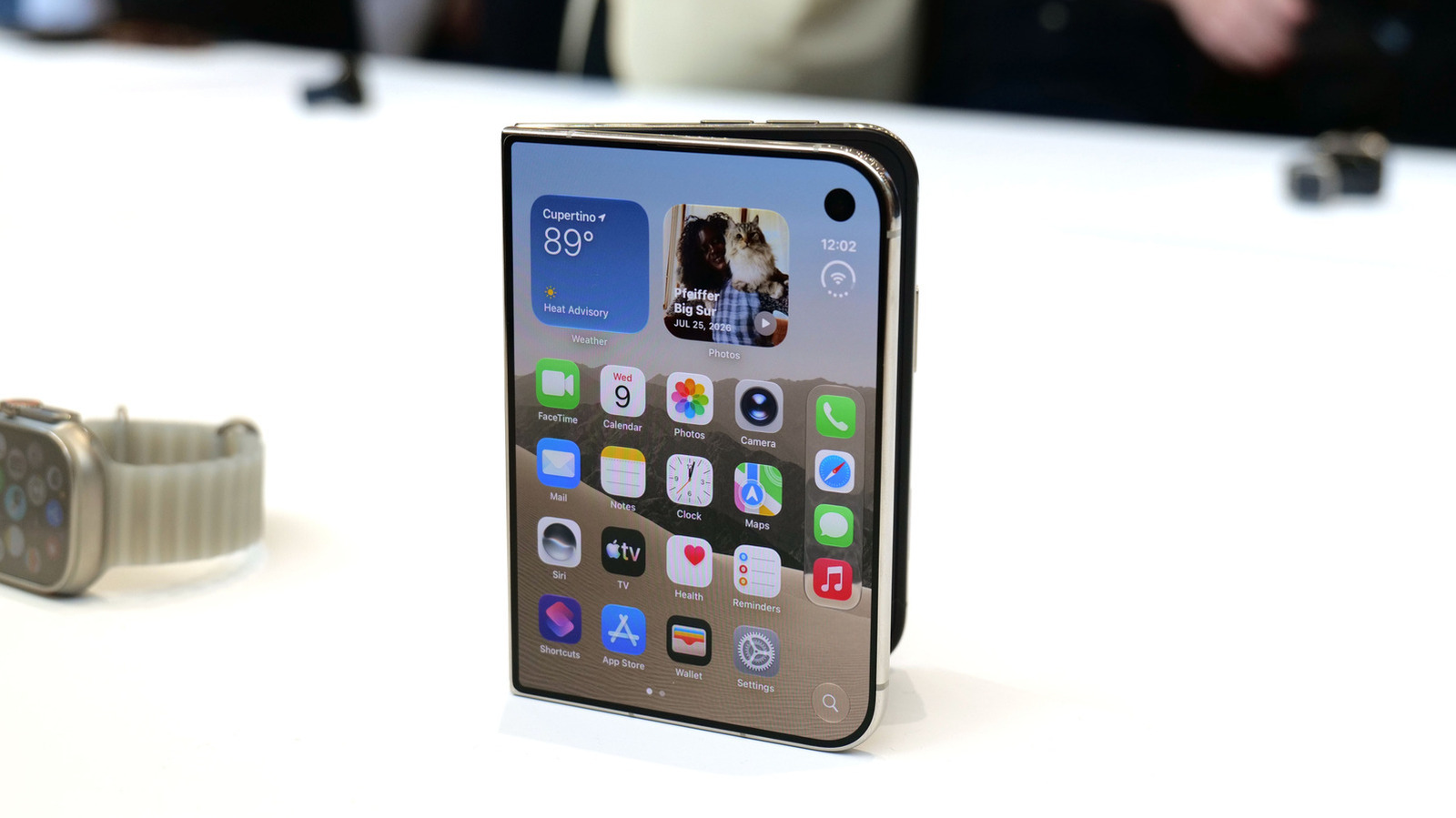
Apple iPhone Duo: A Daring Debut with Notable Compromises
Apple's highly anticipated iPhone Duo, priced at $2,000, has gone on pre-order. While hailed as "Apple's most exciting device in a decade" for its innovative foldable design and immersive display, it comes with significant drawbacks like the absence of FaceID and a premium camera.
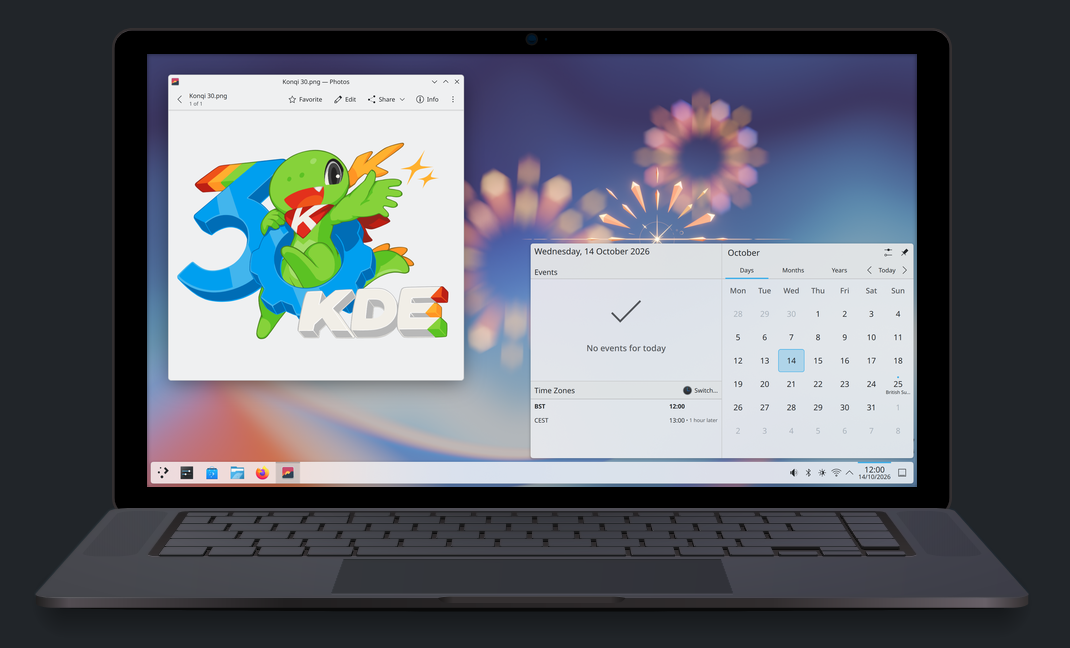
KDE Plasma 6.8: A Future-Focused 30th Anniversary Update
Quick Verdict KDE Plasma 6.8, arriving as the "30th Anniversary Edition," is a pivotal release that decisively pushes the desktop environment into the future. With a definitive farewell to native X11 sessions and a
Galaxy Watch One UI 9 Beta: Promising Progress, But Patience Needed
Galaxy Watch 8, Watch Ultra, and Watch 7 are receiving a new One UI 9 Watch beta build with bug fixes and a security patch. Active development signals progress, but a stable release date remains elusive.