
Gamers Blackout PlayStation: The Fight for Physical Ownership Begins
PlayStation owners have launched a week-long digital blackout protest, starting August 23, in response to Sony's plan to cease physical disc production by January 2028. Players are refraining from all digital purchases and play to highlight concerns over game ownership, the loss of reselling rights, and the elimination of the secondhand market. While the financial impact on Sony is uncertain, the protest aims to signal a significant disconnect with the gaming community.
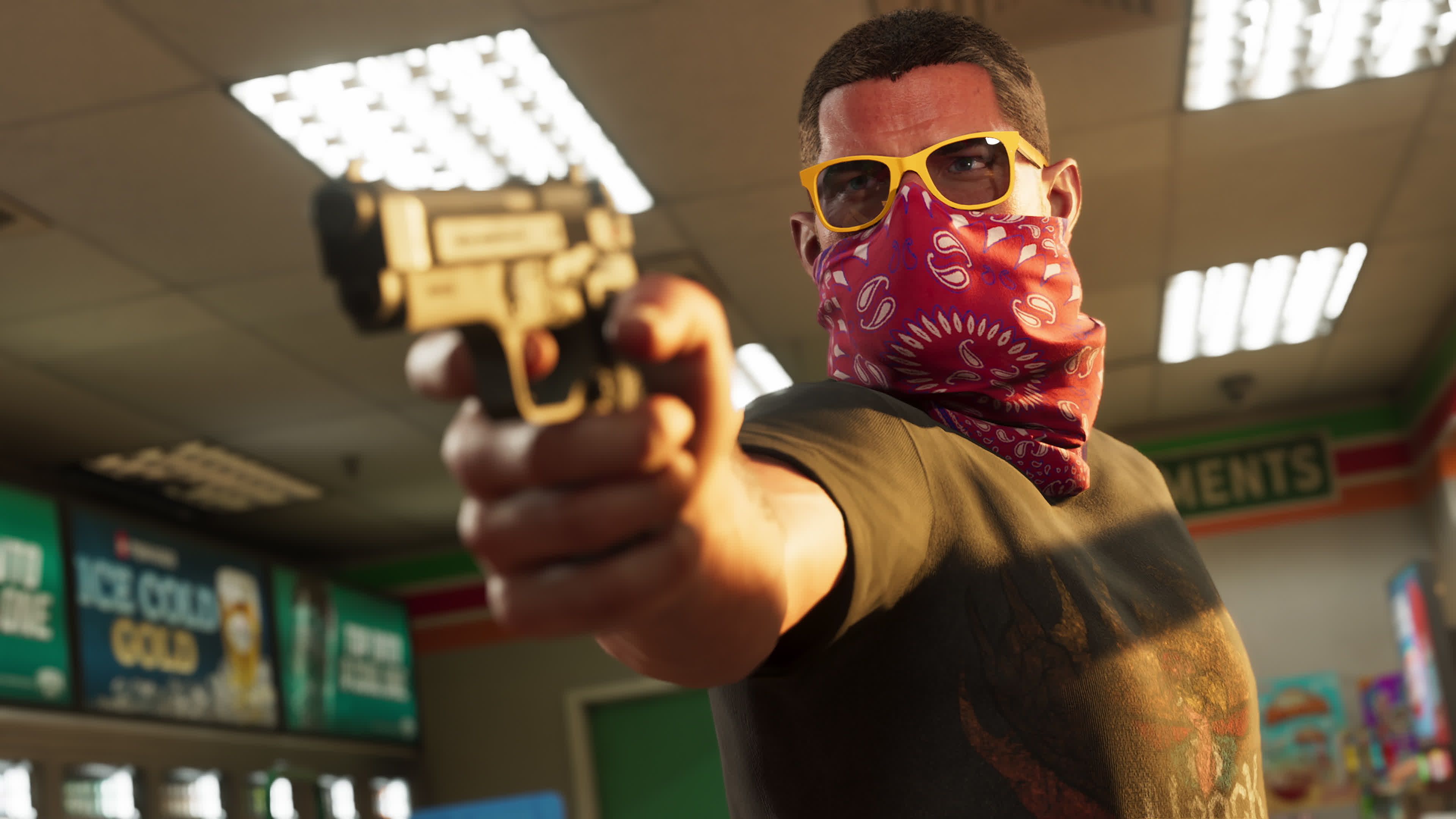
PlayStation Players Launch Digital Blackout Protest
Alright, gamers, let's talk about something that's been bubbling beneath the surface of the PlayStation community, and it just boiled over. The digital future has always felt inevitable, but Sony's recent move to sunset physical disc production for PlayStation consoles by January 2028 has lit a fire under a significant portion of its player base. What started as a rumble of discontent has now escalated into a full-blown digital blackout protest, hitting the PlayStation Network where it hurts, or at least, where it hopes to. This isn't just about collecting game cases; it's a profound statement about game ownership in an increasingly digital world.
The Spark: Sony's All-Digital Vision
The initial announcement came this summer, confirming the industry's shift towards digital distribution. Sony CFO Lin Tao articulated the company's rationale, revealing during the first quarter of 2026 fiscal presentation that digital sales already dominate PlayStation's revenue streams. From a purely financial perspective, the company sees little downside in phasing out physical media. However, this strategic pivot felt like a direct blow to many enthusiasts who cherish their tangible game collections. Adding insult to injury, on the very day the protest began, Sony conveniently re-sent its terms of use, including the PlayStation End User License Agreement (EULA), which explicitly states, "the Software is licensed to you, not sold." For many, this felt less like a reminder and more like a mic drop, cementing the perception that player ownership is being eroded.
Unplugging from the Matrix: The Digital Blackout's Demands
The protest, dubbed the "PlayStation Blackout," officially kicked off on August 23rd and is slated to run for a week, concluding on August 30th. Participants are making a clear statement by actively disengaging from Sony's digital ecosystem. This means no in-game purchases, no PlayStation Store browsing, no PlayStation Plus subscriptions, and even a moratorium on playing PlayStation games. Instead, protesters are encouraged to actively support and engage with physical media. While the official duration is a week, many dedicated players have voiced their intent to adhere to these guidelines indefinitely, demonstrating the depth of their commitment. It's worth noting that the timing has caused some friction, with players requesting a rescheduling to avoid overlapping with the Call of Duty: Modern Warfare 4 beta, which begins on August 28th. Talk about a tough choice for some in the community!
The Heart of the Matter: Why Ownership (Still) Reigns Supreme
At its core, this protest is a battle over the very concept of ownership in the digital age. As Sony's EULA made painfully clear, virtual content is licensed, not truly owned. This distinction becomes critical when companies decide to cease physical production. For many, a digital-only future translates to a loss of control over their purchased content. The ability to resell games, a fundamental aspect of physical media, vanishes, effectively destroying the secondhand market. This market has historically served as a vital avenue for players to acquire games at more affordable prices and for original owners to repurpose games they've finished. The uncertainty surrounding digital libraries – their longevity, accessibility, and the ultimate control platforms like Sony wield – is a significant concern for a community that's invested thousands into their gaming hobby.
Echoes Across the Industry: GTA 6 and the Digital Frontier
This isn't an isolated incident; the push towards an all-digital future is a broad industry trend, and the backlash isn't limited to PlayStation. Take-Two Interactive, the publishing giant behind the highly anticipated Grand Theft Auto 6, has also faced intense scrutiny. Hackers, allegedly protesting the lack of a physical release for GTA 6, have threatened to leak the entire game, leading to serious legal action from Take-Two to identify the culprits. More leaks continue to surface, highlighting a shared frustration among some segments of the gaming public regarding the industry's trajectory. These incidents underscore a growing tension between publisher strategies and player expectations concerning media formats.
Will Sony Listen? The Unfolding Narrative
Whether this digital blackout will significantly impact Sony's bottom line remains to be seen. Given CFO Lin Tao's earlier remarks, it's perhaps "unlikely" to cause immediate financial distress. However, the true measure of its success might not be in quarterly reports but in whether Sony takes notice of the "massive disconnect" with its player community. In an industry increasingly reliant on player loyalty and engagement, alienating a passionate segment could, in the long run, prove detrimental. This protest serves as a powerful reminder that while profits are paramount, fostering a strong, respected relationship with the very people who power the ecosystem is equally, if not more, crucial. The gaming world is watching to see if this week-long digital silence will resonate loudly enough to prompt a dialogue.
FAQ
Q: What exactly is the PlayStation Digital Blackout protest?
A: It's a week-long protest (August 23-30, 2026) where PlayStation owners refrain from making in-game purchases, using the PlayStation Store, subscribing to PlayStation Plus, or playing PlayStation games, in protest of Sony's decision to end physical disc production.
Q: Why are PlayStation owners protesting Sony's decision to stop physical disc production?
A: Players are protesting because the move to digital-only means they will no longer truly "own" their games (which are licensed, not sold), cannot resell them, and lose access to the more affordable secondhand market. There's also uncertainty about the longevity and accessibility of purely digital libraries.
Q: Is this protest expected to make Sony reverse its decision?
A: The article suggests it's "unknown, and honestly unlikely" that the protest will financially hurt Sony enough to reverse the decision. However, the hope is that Sony will at least acknowledge the "massive disconnect" with its player community and foster better relations.
Related articles

TCG Pocket Responds: A Much-Needed Pace Shift for Pokémon Fans
Pokémon TCG Pocket is rolling out a major update for its second anniversary, primarily addressing player concerns about overwhelming content releases by shifting to a six-week set schedule. This aims to curb player decline and improve overall engagement by giving trainers more time to collect and strategize. The update also adds new collection methods, improved deck-building features, and enhanced trading functionality.

Kojima Compares Divisive New Film 'Digger' to MGS2's Prescient Vision
Gaming icon Hideo Kojima has praised the divisive 2026 film *Digger*, drawing intriguing parallels to his own prophetic game, *Metal Gear Solid 2*. Both works, he explains, uniquely explore the dangers of misinformation and a fragmented digital reality, anxieties he shares with *Digger*'s director, Alejandro González Iñárritu.

Ubisoft Proposes German Studio Workforce Reduction Amidst
Ubisoft is planning a voluntary departure program for about 100 employees across its Düsseldorf, Berlin, and Mainz studios in Germany. This move is part of a larger, ongoing cost-reduction and restructuring effort by the publisher, aiming to better position its studios for future projects.

TGS 2026: These Forward-Looking Cosplays Are Already Living in the
Tokyo Game Show 2026 showcased incredible cosplay, with many fans embodying characters from unreleased games like *Blast Blade* and *Mononoke No Kuni*. This gallery highlights the community's foresight, alongside debut *Palworld* cosplay and refreshed takes on classics. It’s a testament to the passion that brings gaming's future to life.

Beyond the Bugs: Conquering Studio Headaches in Indie Dev
This guide, part three in a series on running an indie studio, tackles the crucial but often overlooked aspect of dealing with non-development related issues. It introduces creating a shared 'studio backlog' for collective problems and using the IDS (Identify, Discuss, Solve) framework to address them constructively. The core message is to build powerful habits that keep studios from getting quietly derailed by lingering challenges.

NVIDIA DLSS: A Powerful AI Upscaling Game-Changer
NVIDIA DLSS, or Deep Learning Super Sampling, has become a cornerstone technology for PC gamers with RTX graphics cards. It's a proprietary upscaling solution designed to boost game performance and, in some cases,