
For All Mankind's Ending Sets Up Apple TV's Next Must-Watch Sci-Fi
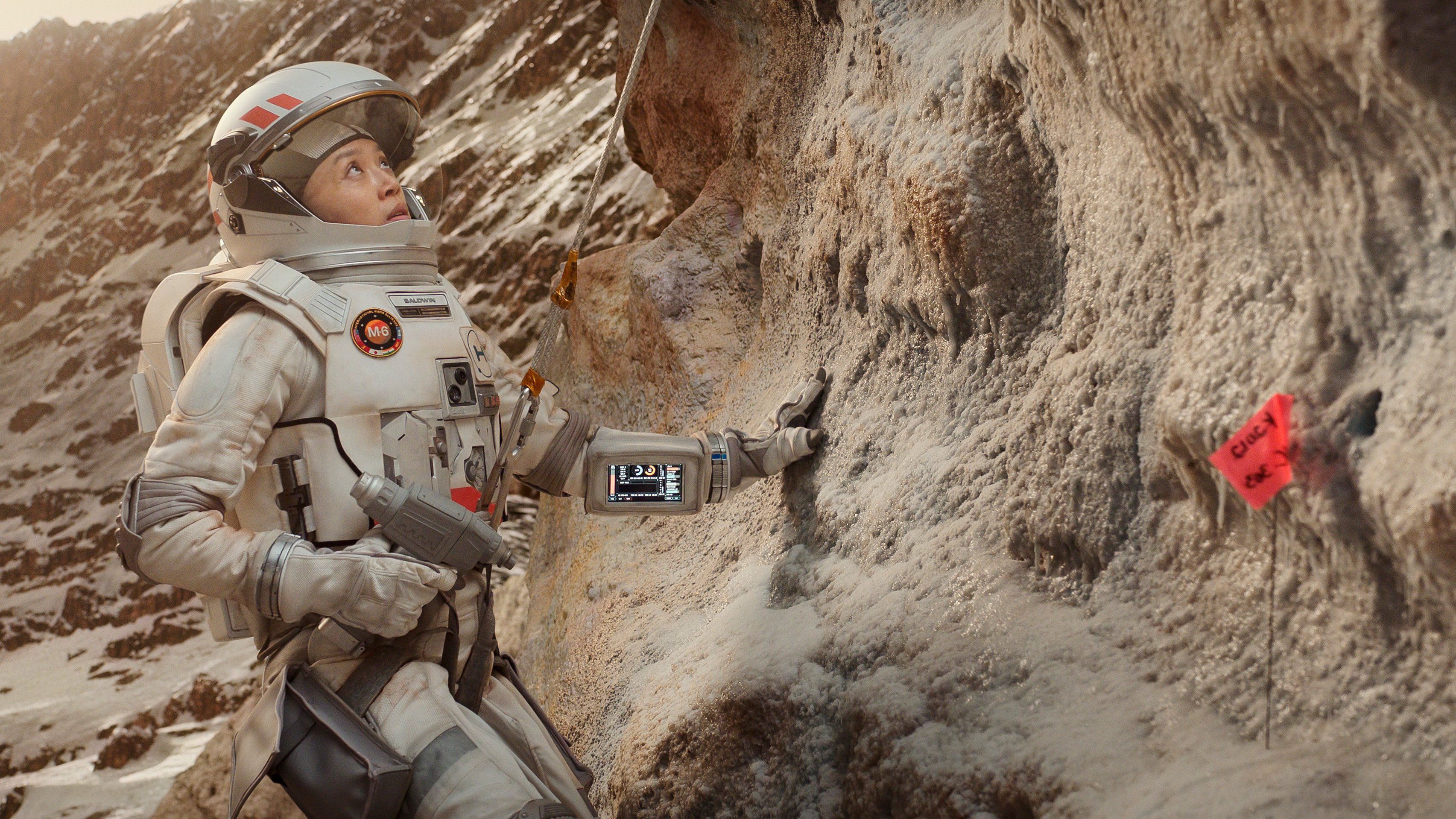
For All Mankind's Ending Sets Up Apple TV's Next Must-Watch Sci-Fi Apple TV has firmly cemented itself as a powerhouse for science fiction, delivering hit after hit that captures the imagination of enthusiast audiences.
For All Mankind's Ending Sets Up Apple TV's Next Must-Watch Sci-Fi
Apple TV has firmly cemented itself as a powerhouse for science fiction, delivering hit after hit that captures the imagination of enthusiast audiences. From the mind-bending corporate dystopia of Severance to the thrilling space opera (and upcoming adaptation) of Murderbot, the platform consistently brings premium genre content. And at the heart of its early success story has been For All Mankind, the alt-history space race drama that dared to ask, "What if the Soviets got to the moon first?"
As For All Mankind season 5 airs its final episode on May 29, leading into its sixth and concluding season expected in 2027, many fans might be feeling that familiar pang of impending void. You know the one – that feeling of needing another high-stakes, character-driven sci-fi drama to fill the gap. But fear not, space cadets, because Apple TV has something special flying completely under the radar, ready to launch on the very same day as the For All Mankind finale. Get ready for Star City, a thrilling new series from the very same creative minds that brought us decades of alternate space history.
The Space Race Continues, But With a Cold War Chill
For All Mankind, created by Ronald D. Moore, Matt Wolpert, and Ben Nedivi, started in 1969, exploring the ripple effects of a Soviet moon landing. Over five seasons, it’s taken us through decades, evolving its sci-fi elements as the timeline jumped forward, culminating in a current season set in 2012, hinting at tensions between Earth and Mars colonists – almost a prequel to The Expanse in its scope. But Star City is taking a different, yet equally captivating, approach.
Dropping its first two episodes on May 29, the same day as For All Mankind's season 5 finale, Star City offers a fascinating parallel narrative. While For All Mankind focused largely on the American side of the space race and its bold push into the cosmos, Star City pivots, delving into the shadowy world of the Soviet space program. Imagine the intrigue, the paranoia, the high stakes – but this time, from behind the Iron Curtain.
Shifting Gears: From Martian Colonies to Soviet Secrets
This isn't just another space race show; it's a deep dive into a Cold War paranoid thriller. Star City explores the top-secret Soviet base, the eponymous Star City, where cosmonauts and engineers lived in isolation. The United States, reeling from being beaten to the moon, is desperate to catch up, leading to clandestine infiltration efforts. This sets up a narrative far tenser and more claustrophobic than the outward-looking ambitions of For All Mankind. Here, the threat isn't just a rocket failure; it's an interrogation, a whispered accusation, or the constant fear that someone is listening to your every conversation.
Matt Wolpert, one of the brilliant minds behind both shows, shared some insights into this shift, telling Polygon, "Being in the world of this sort of Cold War paranoid thriller was really an exciting, different challenge for us, telling the story of these cosmonauts and engineers who all lived in this isolated city and were together with the intelligence officers who were monitoring their phone calls and listening to every conversation... [We’re] capturing that sense of paranoia and not knowing who to trust." This sounds like a gripping change of pace, focusing on human drama and political machinations in a unique historical setting.
What Makes Star City a Different Kind of Space Thriller?
While a few Soviet cosmonauts have graced the screens of For All Mankind, Star City introduces an entirely new cast. This means fresh faces, fresh stories, and no baggage from established characters. And perhaps one of the most exciting differences for long-time fans weary of constantly adjusting to new timelines or heavily aged makeup effects? Star City plans to stay firmly planted in the 1970s.
This commitment to a consistent timeline offers a huge narrative advantage. As Wolpert enthusiastically put it, "To not have to think about what our characters are doing 10 years later and have to age our poor actors, being able to just pick up when the next season starts the next day or a week later, it sounds like a dream to us." This means more immersion, more time to get to know and care about these characters in their specific era, soaking in the '70s music and styles without the jarring jumps forward in time. It promises a more focused, character-driven narrative without the extensive sci-fi elements that became more prominent in later For All Mankind seasons, opting instead for intense Cold War intrigue.
No More Decades-Long Time Jumps (Thank Goodness!)
Let’s be honest, while the time jumps in For All Mankind were a bold and often brilliant narrative device, they also meant saying goodbye to beloved characters or watching actors undergo increasingly complex aging makeovers. The consistent shift in cast and the rapid progression of technology, though exciting, required viewers to constantly re-orient themselves. With Star City embracing a fixed 1970s setting, we can expect a more intimate, continuous character journey.
This allows the creative team to delve deeper into the psychological pressures of living in a highly monitored, isolated environment, where every conversation could be a trap. The paranoia Wolpert describes isn't just a plot device; it’s the fabric of daily life for these individuals. It’s a welcome change that trades the expansive cosmic frontiers for the intricate, human-level drama of loyalty, betrayal, and the desperate pursuit of scientific supremacy during one of history's most tense eras.
How to Dive into Apple TV's Latest Sci-Fi Gem
If you're already a devotee of For All Mankind or other premium sci-fi series like Severance and Monarch: Legacy of Monsters, chances are you’ve already got an Apple TV subscription. If not, Apple offers a free one-week trial, giving you plenty of time to check out Star City's initial episodes. After that, it’s $12.99 a month, with an option to add Peacock for just $2 more monthly, expanding your viewing horizons even further.
The first two episodes of Star City launch on May 29, with new episodes releasing every Friday through July 10. And if that's not enough to keep your sci-fi appetite sated, Apple TV has a robust schedule planned: Silo is returning for season 3 on July 3, and Dark Matter season 2 drops on August 28. Apple TV truly is the destination for genre fans.
Our Verdict: A New Era for Apple TV Sci-Fi
Star City looks like a genius move from Apple TV and the brilliant minds behind For All Mankind. It leverages the established quality and storytelling prowess of its creators while offering a distinctly different flavor of sci-fi adjacent drama. By focusing on the intense, human-level paranoia of the Cold War and shedding the complex time jumps, it promises a gripping, character-focused thriller that should resonate deeply with fans of intelligent television. It's not just filling the void left by For All Mankind's evolving narrative; it's carving out its own space as a must-watch series. Don't let this one fly under your radar – mark May 29 on your calendars!
FAQ
Q: When does Star City premiere?
A: Star City premieres on May 29 with its first two episodes, the same day as the For All Mankind season 5 finale. New episodes will then release weekly on Fridays until July 10.
Q: Is Star City a direct spin-off of For All Mankind?
A: While Star City comes from the same showrunners as For All Mankind, it features an entirely new cast and focuses on the Soviet side of the Space Race in the 1970s, making it a distinct Cold War paranoid thriller rather than a direct continuation of For All Mankind's timeline.
Q: What is the main difference between Star City and For All Mankind?
A: Star City distinguishes itself by focusing on a Cold War spy thriller atmosphere within the Soviet space program during the 1970s, emphasizing paranoia and political intrigue. Unlike For All Mankind's decade-spanning time jumps and escalating sci-fi elements, Star City maintains a consistent timeline within the '70s and has less overt sci-fi, focusing more on character and historical tension.
Related articles

TCG Pocket Responds: A Much-Needed Pace Shift for Pokémon Fans
Pokémon TCG Pocket is rolling out a major update for its second anniversary, primarily addressing player concerns about overwhelming content releases by shifting to a six-week set schedule. This aims to curb player decline and improve overall engagement by giving trainers more time to collect and strategize. The update also adds new collection methods, improved deck-building features, and enhanced trading functionality.

Apple iPhone Duo: A Daring Debut with Notable Compromises
Apple's highly anticipated iPhone Duo, priced at $2,000, has gone on pre-order. While hailed as "Apple's most exciting device in a decade" for its innovative foldable design and immersive display, it comes with significant drawbacks like the absence of FaceID and a premium camera.

Kojima Compares Divisive New Film 'Digger' to MGS2's Prescient Vision
Gaming icon Hideo Kojima has praised the divisive 2026 film *Digger*, drawing intriguing parallels to his own prophetic game, *Metal Gear Solid 2*. Both works, he explains, uniquely explore the dangers of misinformation and a fragmented digital reality, anxieties he shares with *Digger*'s director, Alejandro González Iñárritu.

Ephemeral PR Preview Environments on GKE: A Deep Dive
Every development team eventually grapples with the limitations of shared staging environments. The familiar scenario: multiple features deployed simultaneously, database migrations clashing, and the phrase "it works on
Ubisoft Proposes German Studio Workforce Reduction Amidst
Ubisoft is planning a voluntary departure program for about 100 employees across its Düsseldorf, Berlin, and Mainz studios in Germany. This move is part of a larger, ongoing cost-reduction and restructuring effort by the publisher, aiming to better position its studios for future projects.

Apple’s new HomeView smart display is $10 cheaper at Amazon: latest
In a rare move for a new Apple product, the highly anticipated HomeView smart display is already available at a discount on Amazon, weeks before its official launch. Consumers can now pre-order Apple's first dedicated