
Flipkart Minutes Nears India's Quick-Commerce Leaders After 2 Years
Walmart-owned Flipkart is rapidly emerging as a formidable challenger in India's competitive quick-commerce market. Its "Flipkart Minutes" service, launched just two years ago in August 2024, has seen order volumes

Walmart-owned Flipkart is rapidly emerging as a formidable challenger in India's competitive quick-commerce market. Its "Flipkart Minutes" service, launched just two years ago in August 2024, has seen order volumes nearly triple since November, now delivering between 1.1 million and 1.2 million orders daily.
This significant growth positions Flipkart on the heels of established players like Swiggy's Instamart, intensifying the battle for India's instant delivery segment where global rival Amazon is also aggressively expanding its own quick-commerce offering.
Rapid Ascendance in a Crowded Market
Flipkart Minutes' current daily order volume marks a substantial increase from approximately 390,000 to 400,000 orders in November. This surge places it remarkably close to Swiggy's Instamart, which handles around 1.4 million orders daily, according to sources familiar with the operations.
The quick-commerce landscape in India has been largely dominated by Blinkit, with an estimated 3.4 million to 3.6 million daily orders, followed by Zepto at about 2.4 million to 2.6 million. Instamart, launched in 2020 by food-delivery giant Swiggy, and Zepto, arriving in 2021, along with Blinkit (which evolved from Grofers, founded in 2013), established themselves as early pioneers.
Despite being a relative latecomer, Flipkart's swift expansion has allowed it to quickly narrow the gap with Instamart, which currently stands as the smallest of the top three by order volume. Swiggy recently highlighted Instamart's substantial reach, noting over 14 million monthly transacting users and a network of more than 1,200 dark stores across 130 cities.
Strategic Infrastructure and Customer Engagement
Flipkart's impressive growth is underpinned by an aggressive build-out of its delivery infrastructure. Flipkart Minutes now operates between 1,020 and 1,050 micro-fulfillment centers, often referred to as dark stores. This is a significant jump from 600 in January and approximately 340 a year prior, with plans to reach 1,500 facilities by the end of 2026, adding around 100 new centers monthly.
Satish Meena, an adviser at Datum Intelligence, emphasizes Flipkart's inherent advantage: access to its enormous existing e-commerce customer base. Billions have been invested in acquiring these customers over the years, providing a ready audience for the faster delivery service.
Customer engagement metrics for Flipkart Minutes are also strong. Repeat buyers constitute about 65% to 70% of monthly purchasers, and transactions per customer have climbed 50% to 60% year-over-year. The average order value ranges from ₹400 to ₹500 (approximately $4.20–$5.20), with categories like fruits, vegetables, staples, dairy, and meat seeing rapid growth. Flipkart is also broadening its selection of premium gourmet products.
Impressively, even amidst this rapid expansion, Flipkart Minutes has managed to reduce its average delivery time to about 11 minutes, down from 13 minutes a year ago.
The Broader Quick-Commerce Battle
Flipkart's ascent coincides with quick commerce becoming an increasingly vital component of online shopping habits in India, even as overall consumer demand shows signs of moderation. Bernstein analysts recently noted a continued shift towards quick commerce and e-commerce, with platforms demonstrating healthy growth in monthly active users.
Amazon, a direct global competitor, is also doubling down on the Indian quick-commerce market. Its service, Amazon Now, has reportedly become its fastest-growing business in India, with orders doubling quarter-over-quarter since its launch. Amazon plans to expand Now to over 300 cities and establish a network of more than 1,000 micro-fulfillment centers, complementing larger facilities to broaden its instant-delivery product range.
According to Meena, the expansion into quick commerce is both a defensive and offensive maneuver for giants like Flipkart and Amazon. As consumers increasingly expect immediate delivery for certain items, these e-commerce leaders risk losing market share to specialized quick-commerce platforms if they cannot match the speed. The expert stated that consumers are unlikely to revert to scheduled deliveries for groceries, cementing instant delivery as a new standard.
FAQ
Q: What is Flipkart Minutes and when was it launched?
A: Flipkart Minutes is Walmart-owned Flipkart's quick-commerce service in India, which launched in August 2024. It focuses on delivering groceries and everyday goods within minutes.
Q: How quickly is Flipkart Minutes growing?
A: Flipkart Minutes has seen substantial growth, nearly tripling its daily order volume from approximately 390,000-400,000 in November to 1.1 million-1.2 million orders per day now, placing it close to Swiggy's Instamart.
Q: Why are major e-commerce players like Flipkart and Amazon entering the quick-commerce market?
A: E-commerce giants are entering quick commerce to meet evolving consumer expectations for instant delivery, prevent loss of market share to specialized quick-commerce platforms, and leverage their existing customer bases and logistical networks in what has become a permanent shift in shopping behavior.
Related articles

Apple Unveils iPhone Duo: Pricey Foldable Sees Soaring Demand
Apple has officially entered the foldable smartphone arena with the long-anticipated launch of the iPhone Duo. Priced starting at a hefty $1,999, the device features a 5.4-inch outer display and a larger 7.6-inch inner

in-depth: Chicago-Area Cops Helped HSI Spy on Minnesota Anti-ICE
Chicago-area law enforcement, including local police and HSI agents, conducted undercover surveillance on Minnesota anti-ICE activists at an April 2, 2022, talk in Chicago. This operation was part of a federal conspiracy probe into 15 Minnesota activists facing felony charges related to immigration enforcement resistance. Civil liberties advocates have condemned the surveillance as a troubling intrusion into protected political activity.

Mark Wahlberg on using AI in film ‘the right way’ and being open to
Actor Mark Wahlberg believes AI has a place in filmmaking if used responsibly for enhancement, not script generation or actor replacement. At TechCrunch Disrupt, he expressed openness to an AI likeness carrying on his legacy, managed by his family, and emphasized storytelling.

Tesla Unveils Thruster-Equipped Roadster, 2028 Production Targeted
Tesla has unveiled its second-generation Roadster, featuring cold-gas thrusters co-developed with SpaceX, enabling it to jump and flip. The electric sports car demonstrated 0-60mph in an astonishing 0.81 seconds, with production targeted for 2028. This highly anticipated reveal also serves as a key recruitment tool for Tesla's ambitious AI and robotics initiatives.
Amazon Prime Video Launches AI-Powered Prime 360 for NBA Coverage
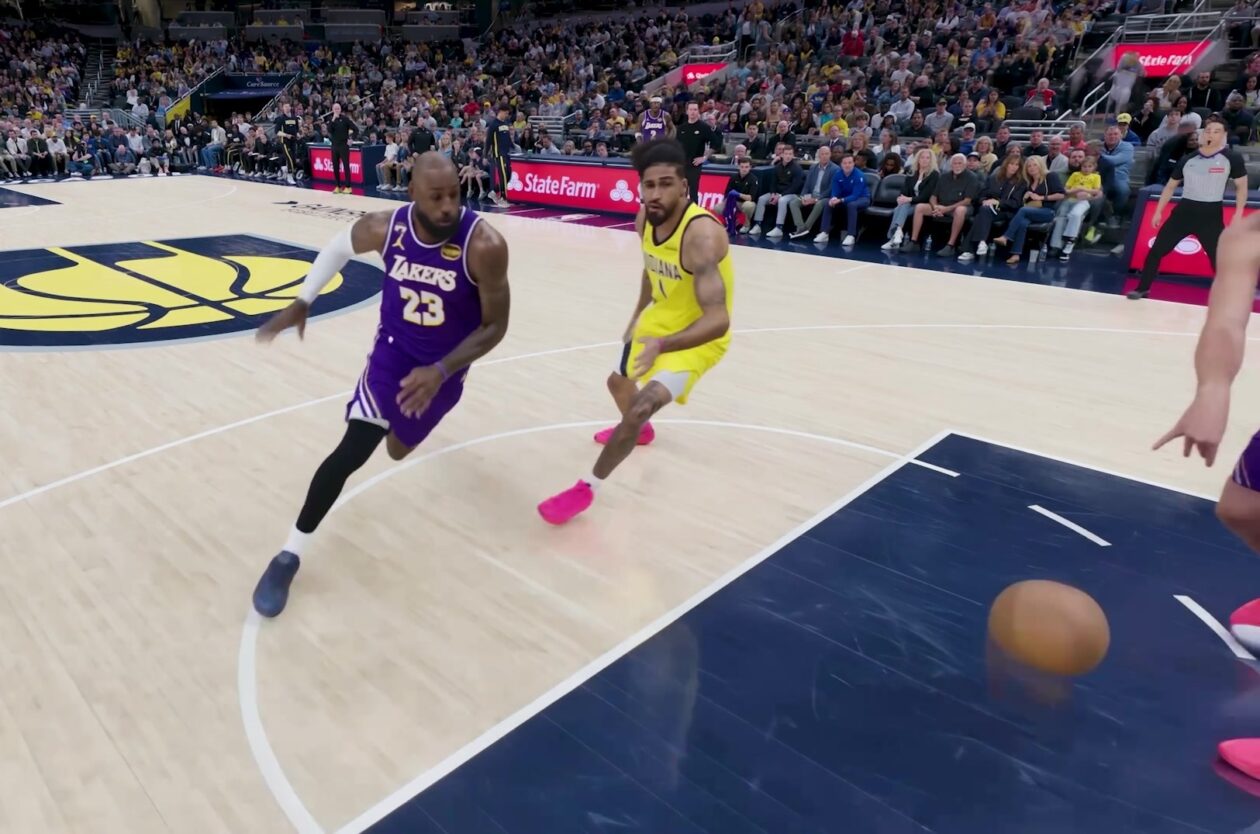
Amazon Prime Video is elevating its NBA coverage with the introduction of Prime 360, an AI-powered replay system offering immersive, 'fly through' views of the action. Kicking off its second season, Prime Video also adds Yahoo fantasy integration and gains exclusive Eastern Conference Finals rights, expanding its tech-driven sports broadcast. The new features aim to deliver a unique and interactive viewing experience for basketball fans.
regional: A two-person Seattle startup lands $1M to reinvent
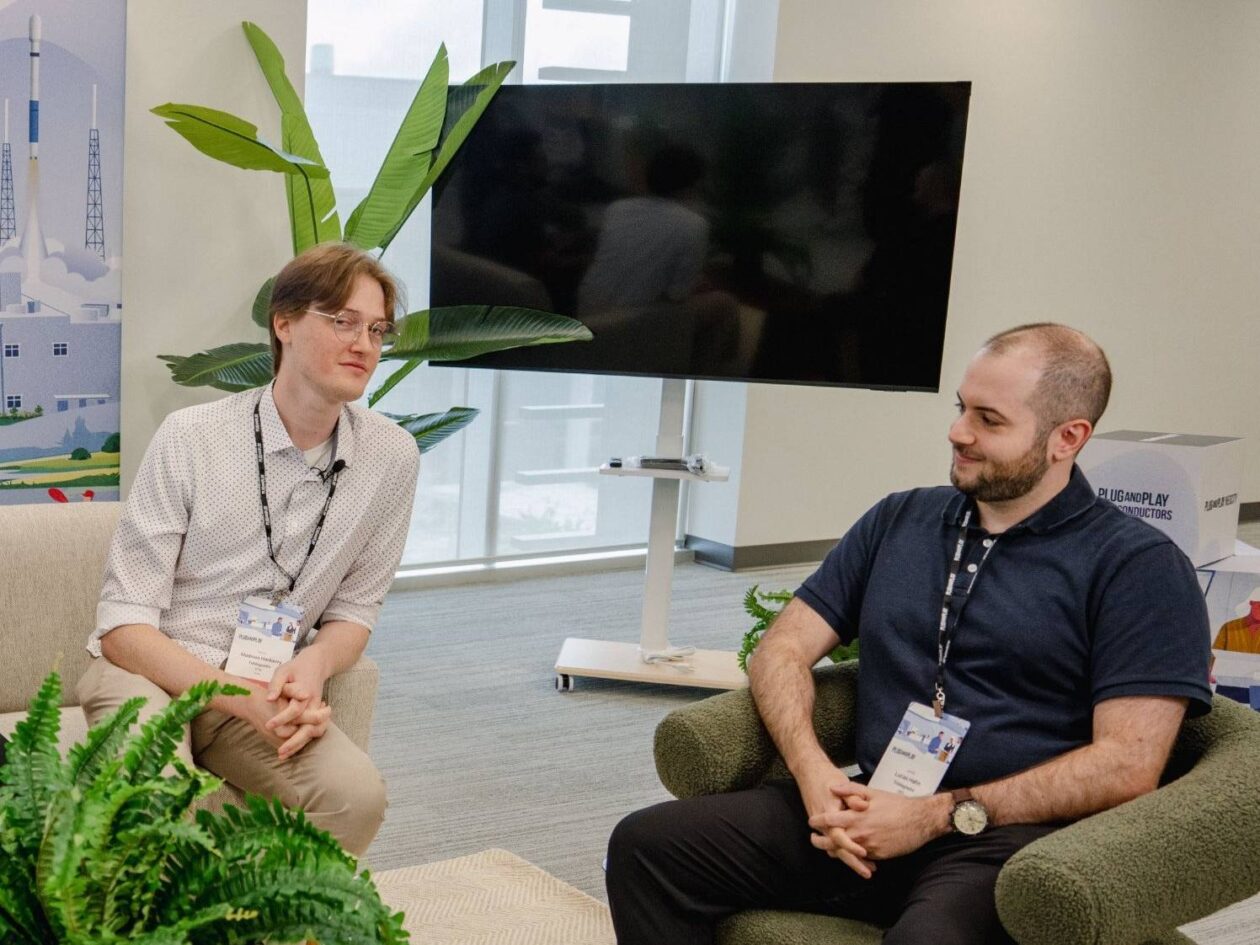
Seattle startup TriMagnetix has secured $1 million to develop semiconductor chips that consume 800 times less energy and are radiation-resistant. The two-person company, leveraging nanomagnetic technology, is targeting space applications and data centers. With new funding and key partnerships, TriMagnetix aims for commercial sales within a year.