
Fitness Trackers 2026: Source Content Limitation Explained
The Best Fitness Trackers of 2026: A Review Restricted by Source Data Quick Verdict: As an experienced tech reviewer, my objective is always to provide a thorough, honest, and consumer-focused analysis. However, for

The Best Fitness Trackers of 2026: A Review Restricted by Source Data
Quick Verdict: As an experienced tech reviewer, my objective is always to provide a thorough, honest, and consumer-focused analysis. However, for 'The Best Fitness Trackers of 2026,' the provided source material from CNET consists entirely of website navigation links and general category headers. Crucially, it does not contain any specific review content, product details, technical specifications, user experience insights, or comparative data for any fitness trackers released or highlighted in 2026. Therefore, while I can discuss what consumers generally seek in such devices, I cannot offer a detailed, fact-based review or buying recommendation derived from the supplied information.
The Evolving Landscape of Health Tracking
In 2026, the demand for sophisticated health and fitness tracking remains as strong as ever. Consumers are increasingly seeking devices that go beyond basic step counting, integrating seamlessly into their daily lives to provide actionable insights into their physical activity, sleep patterns, stress levels, and overall well-being. The market is competitive, with advancements in sensor technology, battery life, display quality, and AI-driven analytics pushing the boundaries of what these wearables can achieve. An ideal review of the 'Best Fitness Trackers of 2026' would delve into how the latest models stack up against these evolving expectations.
What a Comprehensive Review of 2026 Fitness Trackers Would Cover
To truly evaluate the 'Best Fitness Trackers of 2026,' a detailed analysis would typically scrutinize several core areas. Unfortunately, the provided CNET source content, despite hinting at such an article's existence, offers no data to perform this analysis. A robust review would normally examine:
- Key Specifications: This would include sensor accuracy for heart rate (optical, ECG), GPS performance for outdoor activities, blood oxygen (SpO2) monitoring, skin temperature tracking, and potentially advanced metrics like continuous glucose monitoring (CGM) or blood pressure readings if integrated into wearable tech by 2026. Battery life is paramount, especially for multi-day usage, and charging speed would also be a critical factor.
- Design and Build Quality: Comfort for all-day wear, materials used (e.g., lightweight aluminum, durable plastics, sapphire glass), water resistance ratings for swimming or showering, and the aesthetics of the device (sporty vs. fashion-forward) are all vital. The responsiveness and clarity of the display (AMOLED, always-on options) play a significant role in the daily user experience.
- User Experience (UX) and Software Ecosystem: This covers the intuitiveness of the device's interface, the accompanying smartphone app's design and data presentation, and the availability of third-party integrations (e.g., connecting to popular fitness apps like Strava or Apple Health). The quality of personalized insights, coaching features, and goal setting offered by the platform would also be a key differentiator.
- Advanced Health and Fitness Features: Beyond basic activity tracking, modern fitness trackers often include detailed sleep stage analysis, stress detection with guided breathing exercises, menstrual cycle tracking, automatic workout detection, and recovery metrics. The accuracy and utility of these features are what truly separate the best from the rest.
- Smart Features: Integration with smartphone notifications, NFC for contactless payments, music storage and playback, and voice assistant capabilities (e.g., Alexa, Google Assistant, Siri) enhance convenience and elevate a fitness tracker to a more versatile smartwatch-hybrid device.
The Absence of Specific Pros and Cons
Without any concrete product information from the provided source, listing specific pros and cons for individual fitness trackers of 2026 is impossible. Generally, the pros of using a modern fitness tracker include increased self-awareness regarding health metrics, motivation for physical activity, personalized insights for training and recovery, and seamless tracking of daily habits. Potential cons across the category might involve concerns about data privacy, the potential for overwhelming data, or the ongoing cost of premium subscription services often tied to advanced features. However, these are generic observations, not product-specific critiques.
No Basis for Comparison to Alternatives
The CNET source content mentions popular brands like Fitbit and Garmin within its "Deals" section, implying their continued relevance in the fitness tracker market in 2026. The source also lists "Sleep Trackers" as a category under Wellness. However, without specific models, features, or performance data for any trackers, a direct comparison — whether in a table or narrative form — is simply not feasible. Comparing alternatives requires granular details about their strengths, weaknesses, price points, and target demographics, none of which are present in the supplied text.
General Buying Recommendation (Lacking Product Specificity)
Since I cannot recommend specific models from the provided source, I can only offer general advice for those looking to purchase a fitness tracker in 2026. Consider your primary goals: Are you a casual user focused on daily activity and sleep, an athlete needing precise GPS and advanced training metrics, or someone prioritizing comprehensive health monitoring? Evaluate devices based on reported battery life, comfort, ecosystem compatibility with your smartphone, and whether a subscription is required for the features you desire. Always prioritize accuracy for the metrics most important to you, and don't overlook the importance of a user-friendly app.
Conclusion: A Call for Detail
While the concept of staying on top of workouts and health with the 'Best Fitness Trackers of 2026' is compelling, the provided CNET source content regrettably offers no actual product reviews or data. To truly provide value to consumers, a review must be built on tangible facts, specifications, and hands-on experience. Without this crucial information, any specific assessment of 2026's top fitness trackers remains an unwritten chapter.
FAQ
Q: What should I look for in a fitness tracker in 2026 if detailed reviews aren't available?
A: Focus on your personal needs: desired features (e.g., GPS, heart rate, sleep tracking), comfort, battery life, compatibility with your smartphone, and your budget. Research general user feedback for brands known for reliability and accuracy in the categories that matter most to you.
Q: Are fitness tracker subscriptions worth it?
A: Many fitness trackers offer basic functionality for free, but premium subscriptions often unlock advanced insights, personalized coaching, and historical data analysis. Whether it's worth it depends on how deeply you want to engage with your health data and if those extra features provide actionable value for your fitness goals.
Q: How accurate are fitness trackers for various metrics?
A: While modern fitness trackers have significantly improved in accuracy for metrics like heart rate and step counting, individual results can vary based on wear, activity type, and sensor technology. For highly precise data, especially for medical purposes, dedicated medical devices are generally recommended over consumer-grade fitness trackers, though many offer "wellness" insights that can be highly beneficial.
Related articles
Android 17 QPR2 Beta 7.1: The Performance Relief You've Been Waiting
Android 17 QPR2 Beta 7.1: Finally Fixing the QPR1 Performance Woes Verdict: Android 17 QPR2 Beta 7.1 is a crucial and highly anticipated software update for Google Pixel users, specifically targeting and resolving the

DJI Solo Video Setups: Smart Choices for Lone Creators
This review delves into DJI's recommended solo video setups, highlighting the Osmo Pocket 3 Creator Combo as a top pick for its integrated camera, gimbal, and mic. It also covers stabilizers like the Osmo Mobile 8 and RS 4, and the DJI Mic Mini series for enhanced audio, providing honest pros, cons, and clear buying advice.

TCG Pocket Responds: A Much-Needed Pace Shift for Pokémon Fans
Pokémon TCG Pocket is rolling out a major update for its second anniversary, primarily addressing player concerns about overwhelming content releases by shifting to a six-week set schedule. This aims to curb player decline and improve overall engagement by giving trainers more time to collect and strategize. The update also adds new collection methods, improved deck-building features, and enhanced trading functionality.

Ars Technica's Rocket Report: Your Essential Space Industry Briefing
Quick Verdict Ars Technica's Rocket Report, presented by veteran space reporter Stephen Clark, offers an invaluable and meticulously organized weekly (or similar frequency, implied by "Edition 9.15") digest of the most
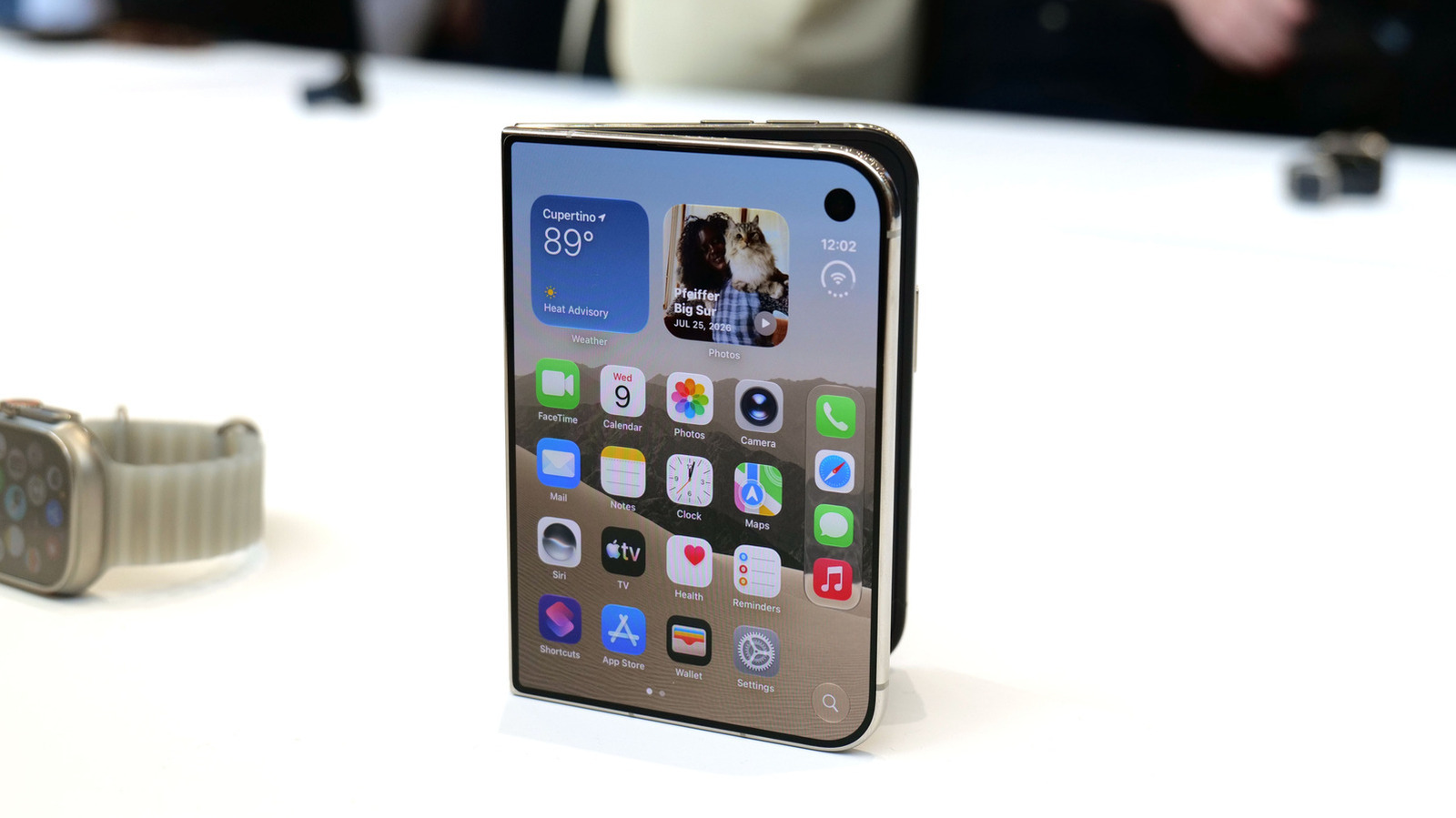
Apple iPhone Duo: A Daring Debut with Notable Compromises
Apple's highly anticipated iPhone Duo, priced at $2,000, has gone on pre-order. While hailed as "Apple's most exciting device in a decade" for its innovative foldable design and immersive display, it comes with significant drawbacks like the absence of FaceID and a premium camera.
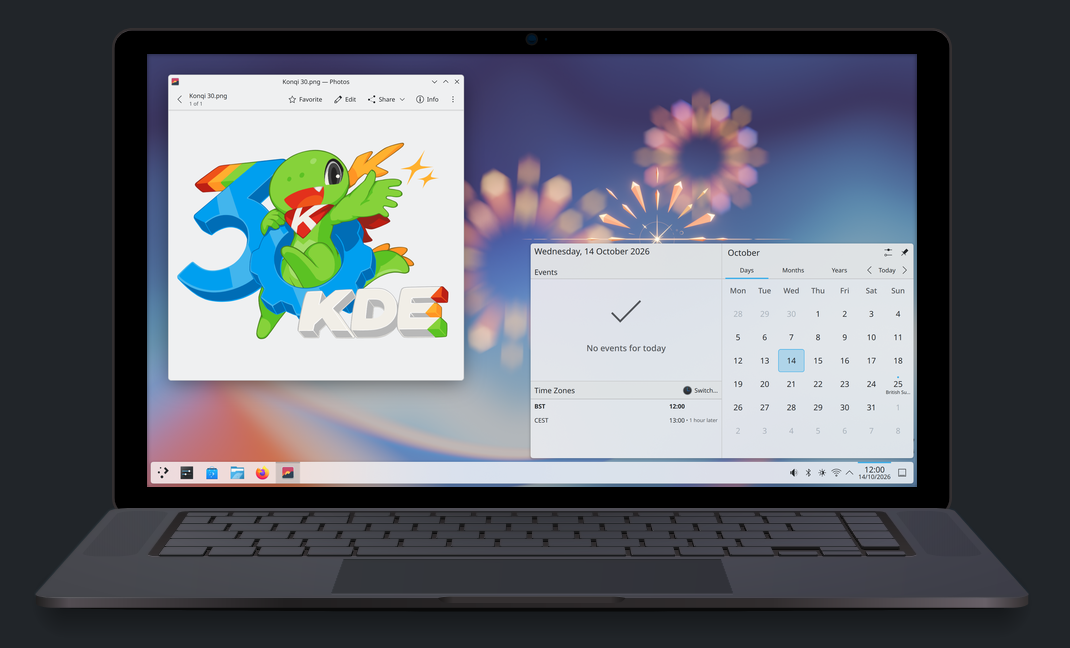
KDE Plasma 6.8: A Future-Focused 30th Anniversary Update
Quick Verdict KDE Plasma 6.8, arriving as the "30th Anniversary Edition," is a pivotal release that decisively pushes the desktop environment into the future. With a definitive farewell to native X11 sessions and a