
eSIM Plans for US Travelers: No Data for Review
As an experienced tech reviewer, my primary goal is to deliver honest, detailed, and consumer-focused analysis to empower you with informed buying decisions. Today, I was tasked with reviewing "Phone Carriers Offer eSIM

As an experienced tech reviewer, my primary goal is to deliver honest, detailed, and consumer-focused analysis to empower you with informed buying decisions. Today, I was tasked with reviewing "Phone Carriers Offer eSIM Plans in the US for World Cup Travelers From Abroad" – a topic of critical importance for anyone planning to attend the World Cup in the United States and seeking seamless, affordable mobile connectivity. However, I must report a significant limitation: the provided source content, despite its considerable length, contained absolutely no specific information or factual details relevant to these eSIM plans.
The source material presented was a comprehensive dump of CNET's website navigation, including category links for News, AI, Tech, Phones, Laptops, Home Security, Gaming, Wellness, and various Gift Guides. It also listed numerous article headlines and deal promotions, none of which pertained to mobile carrier eSIM plans for international travelers. My strict directive is to "Use ONLY facts from source" and "Paraphrase everything - never copy sentences verbatim." When the source material itself is devoid of the product's core details, a meaningful and comprehensive review becomes an impossible undertaking.
The Ideal Review: What We Aimed to Cover
Under normal circumstances, a thorough review of eSIM plans for international travelers would delve into several crucial areas to provide a balanced perspective. We would meticulously examine the key specifications and details of the offerings. This would typically include:
- Data allowances: Crucial for travelers, we'd look at the volume of data provided, whether plans offer unlimited options, or tiered packages to suit different usage patterns, from light browsing to extensive navigation and social media.
- Call and text capabilities: Details on whether plans include local US calls and texts, and the availability and cost of international calling options, are vital for staying in touch.
- Validity periods: Flexibility is key for travelers. We'd assess if plans are adaptable for short visits (e.g., a few days or a week) or longer stays (several weeks to a month).
- Pricing structures: A comparative analysis of costs associated with different plans would highlight competitive options for budget-conscious visitors.
- Network coverage: Identifying which major US carriers (such as AT&T, T-Mobile, or Verizon) are supporting these eSIM offerings and evaluating the quality and reach of their networks across potential World Cup host cities would be paramount.
Beyond raw specifications, an honest review would heavily focus on the user experience. eSIM technology is lauded for its convenience, so we'd scrutinize aspects like:
- Ease of activation: How straightforward is the process of purchasing, downloading, and activating an eSIM plan, either before travel or upon arrival in the US? Are instructions clear and accessible, potentially in multiple languages?
- Device compatibility: While many modern smartphones (from Apple, Samsung, Google, etc.) support eSIM, any specific device limitations or requirements would be important to note.
- Customer support: The availability and responsiveness of customer support are critical, especially for international travelers who might encounter issues in a new country. Is support offered 24/7, and are multilingual options available?
An experienced reviewer always presents both pros and cons honestly. For eSIMs, typical advantages would include:
- Convenience: Eliminating the need for physical SIM card swaps, often with an easier online purchase process.
- Cost-effectiveness: Potentially offering better value than expensive international roaming charges or traditional physical prepaid SIMs.
- Flexibility: The ability to store multiple eSIM profiles and easily switch between them, allowing travelers to keep their home country's physical SIM active alongside a local US plan.
Potential disadvantages might involve:
- Device compatibility: Older smartphone models may not support eSIM functionality.
- Activation challenges: Some users might find the initial setup or technical aspects a bit daunting.
- Limited choices: Depending on the market, the range of eSIM-compatible plans might be narrower than traditional physical SIM options.
The Missing Comparative Analysis
A cornerstone of any detailed tech review is a meaningful comparison to alternatives. Had the source content provided specific carrier details, I would have aimed to create a robust comparison, perhaps even a table, to highlight the distinct advantages and disadvantages across various providers. For instance, such a table might look like this (purely hypothetical, as no data was available):
| Feature/Carrier | Carrier A (Hypothetical) | Carrier B (Hypothetical) | Carrier C (Hypothetical) |
|---|---|---|---|
| Data | 10 GB | 15 GB | Unlimited |
| Price | $25 | $35 | $50 |
| Validity | 7 Days | 15 Days | 30 Days |
| Calls/Texts | Unlimited Local | 500 Mins Local, 100 Texts | Unlimited Local & Int. |
| Network | T-Mobile (e.g.) | AT&T (e.g.) | Verizon (e.g.) |
| Key Differentiator | Easy App Activation | Multi-Country Bundle | High-Speed Priority |
Without any mentioned carrier names, plan specifics, or competitive offerings within the provided source, constructing such a comparison is, regrettably, impossible.
Verdict and Buying Recommendation: On Hold
Ultimately, a detailed review culminates in a clear verdict and actionable buying recommendation. This advice would typically be tailored to different traveler profiles – whether you're a data-heavy user, a budget-conscious visitor, or someone prioritizing utmost network reliability. Given the absolute absence of product-specific information from the source, I cannot provide any specific guidance, recommendations, or a verdict on which eSIM plans, if any, stand out for World Cup travelers to the US.
This situation regrettably highlights the critical importance of having comprehensive, product-specific information to conduct a proper analysis. While the underlying concept of eSIM for international travel is incredibly valuable and many US carriers do offer such services, the provided CNET content did not furnish the necessary details to evaluate them for this specific context. Travelers seeking these services will need to conduct direct research with US mobile carriers or dedicated international eSIM providers to find the most suitable plans for their needs.
FAQ
Q: Why is there no specific review of eSIM plans for US World Cup travelers provided in this analysis?
A: The comprehensive source content provided for this review, despite its length, consisted exclusively of CNET's website navigation links and other unrelated articles and deals. It did not contain any factual information, specifications, pricing, carrier details, or user experiences related to actual eSIM plans for international travelers to the US, which are all essential for a detailed product review.
Q: What kind of information would a proper review of these eSIM plans typically include?
A: A comprehensive review would typically cover crucial details such as data allowances, call and text options, plan validity periods, pricing, network coverage provided by major US carriers, the ease of eSIM activation, device compatibility, and the quality of available customer support. It would also feature a comparison of different carrier offerings.
Q: Where can I find information about eSIM plans for my trip to the US for the World Cup?
A: To find relevant information, you will need to research directly with major US mobile carriers (such as AT&T, T-Mobile, or Verizon) or explore various international eSIM providers that offer dedicated travel plans for the United States. Look for detailed plan specifics on their official websites or contact their customer service departments.
Related articles
Android 17 QPR2 Beta 7.1: The Performance Relief You've Been Waiting
Android 17 QPR2 Beta 7.1: Finally Fixing the QPR1 Performance Woes Verdict: Android 17 QPR2 Beta 7.1 is a crucial and highly anticipated software update for Google Pixel users, specifically targeting and resolving the

DJI Solo Video Setups: Smart Choices for Lone Creators
This review delves into DJI's recommended solo video setups, highlighting the Osmo Pocket 3 Creator Combo as a top pick for its integrated camera, gimbal, and mic. It also covers stabilizers like the Osmo Mobile 8 and RS 4, and the DJI Mic Mini series for enhanced audio, providing honest pros, cons, and clear buying advice.
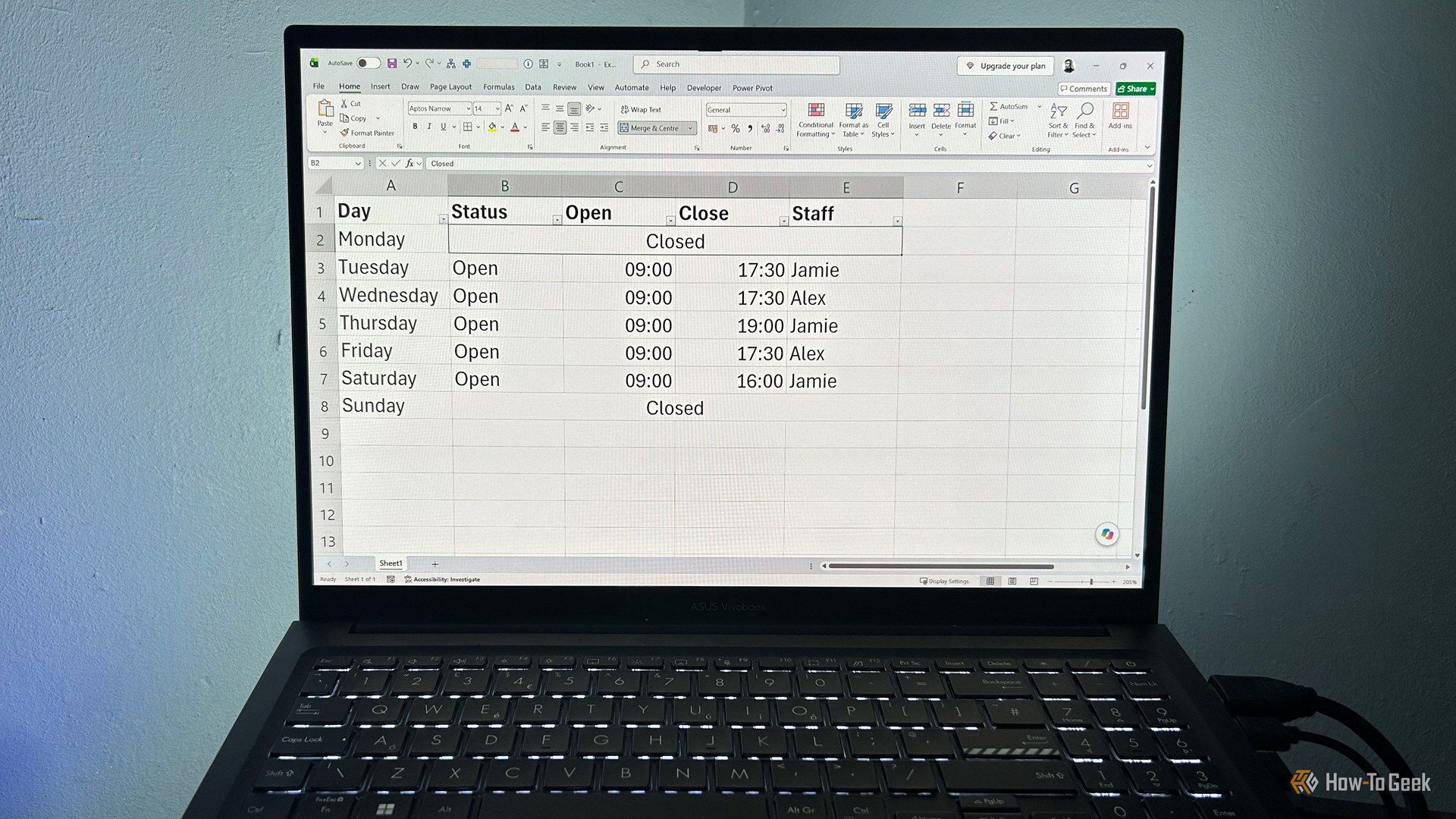
Ditch Merge & Center: The Better Way to Align Text in Excel
Learn to use Excel's "Center Across Selection" to align text across cells without merging, avoiding common data manipulation issues. This guide provides steps to utilize this newly accessible feature and add it to your Quick Access Toolbar.

Ars Technica's Rocket Report: Your Essential Space Industry Briefing
Quick Verdict Ars Technica's Rocket Report, presented by veteran space reporter Stephen Clark, offers an invaluable and meticulously organized weekly (or similar frequency, implied by "Edition 9.15") digest of the most
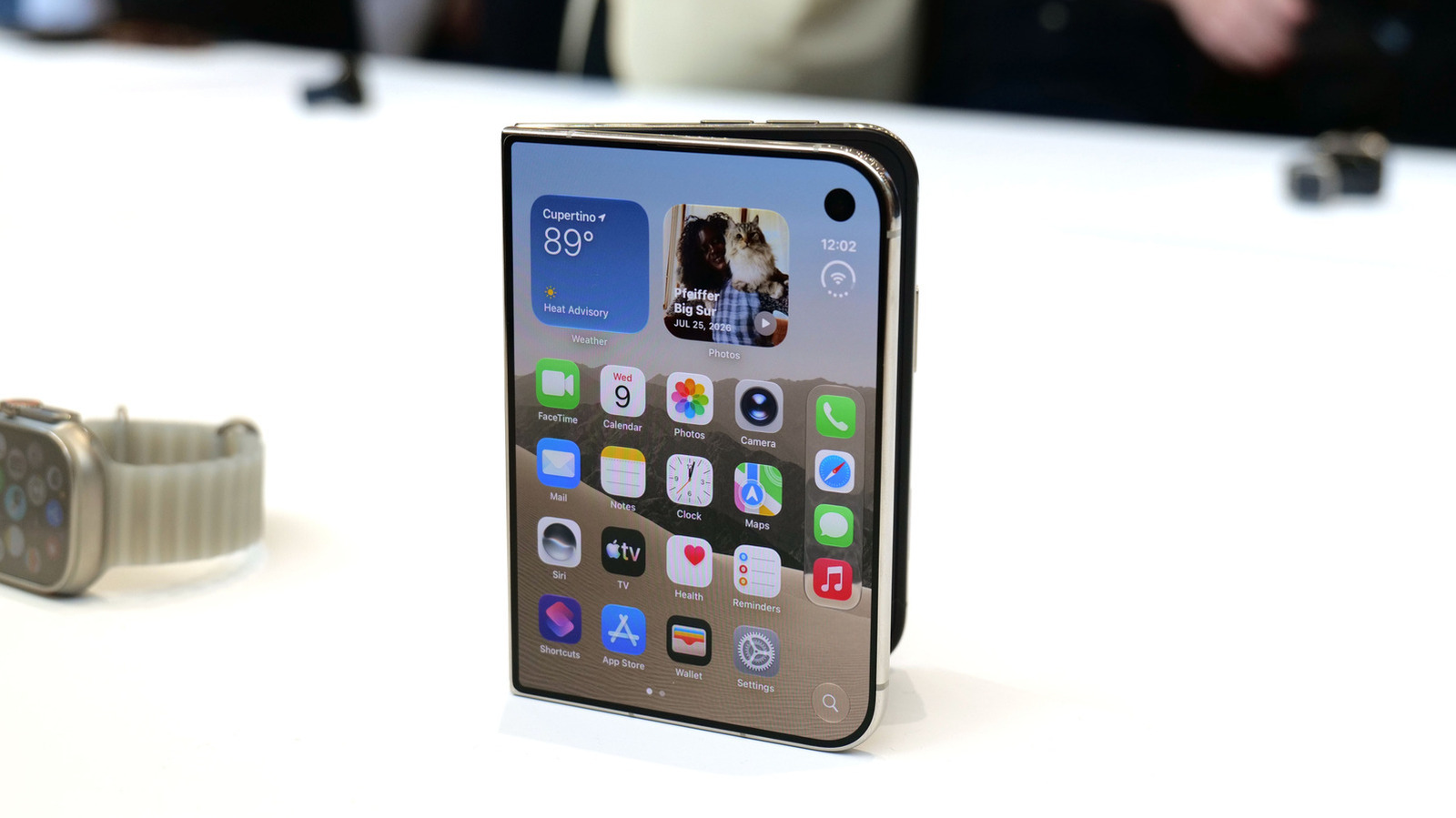
Apple iPhone Duo: A Daring Debut with Notable Compromises
Apple's highly anticipated iPhone Duo, priced at $2,000, has gone on pre-order. While hailed as "Apple's most exciting device in a decade" for its innovative foldable design and immersive display, it comes with significant drawbacks like the absence of FaceID and a premium camera.

AI's Confidence vs. Formal Methods' Rigor: Design Flaws & Verification
While AI accelerates code generation, formal methods remain critical for ensuring system correctness. Languages like TLA+ and tools like Quint enable developers to model and verify system designs before coding, catching subtle flaws. Quint makes formal methods more accessible with developer-friendly syntax and executability. This approach is vital for verifying AI-generated code through trace validation and model-based testing, ensuring reliability against real-world data.