
Duolingo XP Boosts: Gamification Gone Astray
Duolingo XP Boosts: Gamification Gone Astray Quick Verdict: Duolingo remains a stellar language-learning application, celebrated for its engaging, gamified approach that effectively builds daily learning habits.
Duolingo XP Boosts: Gamification Gone Astray
Quick Verdict: Duolingo remains a stellar language-learning application, celebrated for its engaging, gamified approach that effectively builds daily learning habits. However, its current implementation of instant-activation XP Boosts has become a significant point of contention, transforming moments of intended self-improvement into stressful, ticking-clock countdowns that can undermine the very habit it aims to cultivate.
The Allure of Duolingo: Building Habits Through Gamification
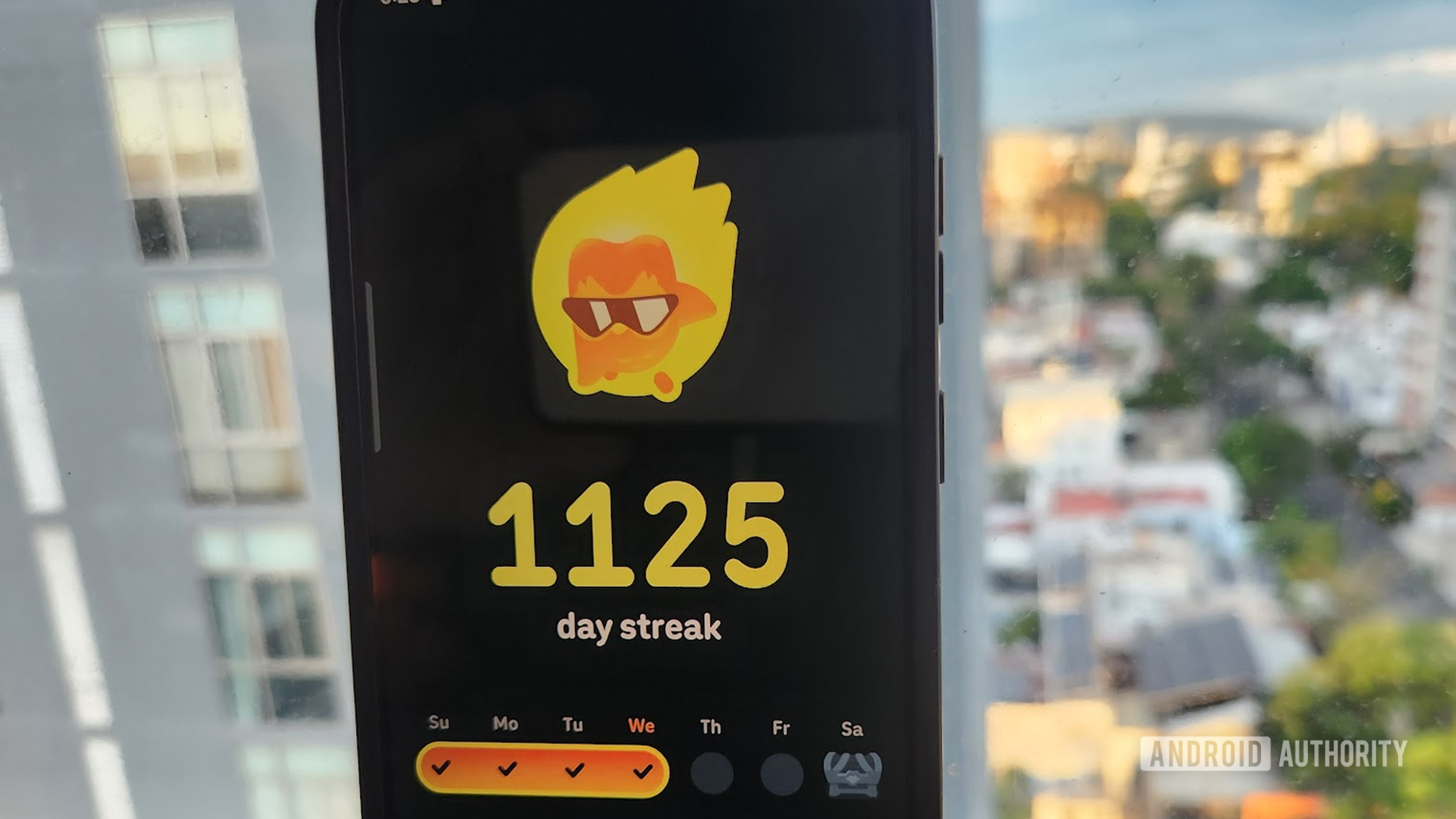
For many dedicated users, including myself, Duolingo has been a transformative tool for over a year. Its system of gamified learning, particularly features like daily streaks and leaderboards, excels at keeping individuals engaged and returning to the app every day. This consistency is invaluable, whether you're trying to master new Chinese vocabulary or even practice Chess tactics, illustrating the platform's versatility in fostering discipline.
The XP Boost Dilemma: Reward or Relentless Pressure?
The heart of the current user frustration lies squarely with the XP Boost rewards. Picture this common scenario: you've carved out a brief moment at the end of a busy day, perhaps just five minutes, to complete a quick lesson and maintain your streak. As the lesson concludes, a virtual chest dramatically bursts open, proudly proclaiming, "Congratulations! You’ve unlocked a 3x XP Boost for the next 10 minutes!"
What was intended to be a calm, manageable step in your learning journey instantly transforms. It becomes either a high-stakes race against a rapidly ticking clock to maximize the reward or, perhaps worse, a sinking feeling of missing out on a valuable bonus you simply cannot utilize. This “reward” frequently feels less like a helpful incentive and more like an unexpected trap, adding unwelcome pressure to an otherwise relaxing activity. In a recent poll among users, a significant 67% reported feeling that these boosts are a high-pressure trap, while only a small minority found them motivating.
The "Use It or Lose It" UX Trap
The fundamental issue with these XP Boosts is their immediate activation. Upon earning one, there’s no option to store it, no "Save for Later" button to be found. These multipliers come with an explicit, unspoken mandate: "use it right now, or watch it vanish." This design philosophy completely overlooks the diverse daily routines and schedules of its users.
My personal experience, much like that of many others, often involves fitting Duolingo lessons into short, interstitial periods – a quick break between the gym and work, a few minutes during a coffee break, or while waiting for someone. These windows are perfect for maintaining a streak but entirely unsuitable for leveraging a high-tier multiplier that demands concentrated effort over a longer period. Forcing these boosts into such brief opportunities means they are frequently wasted.
Truly longer, more intensive study sessions are often a luxury, typically reserved for weekends or specific planned times. If users had the ability to bank these boosts, perhaps in a simple inventory system, they could manually deploy them when they genuinely have the time and focus to maximize their benefit. This would not only enhance the incentive to learn but also encourage spending more dedicated time on the app, rather than fleeting interactions or, as some users have noted, avoiding the app altogether. A Reddit user, shinyshef, shared that the lack of a clear 20-minute window for a boost often leads them to skip Duolingo for the entire day, fearing wasted rewards. This effectively turns a feature meant to increase engagement into one that actively discourages it.
When Gamification Goes a Step Too Far
This isn't merely about digital points or climbing a leaderboard. Duolingo's current approach to XP Boosts fundamentally alters the user’s perception of the app. The artificial urgency injected by the countdown clock subtly demotes the core act of language learning, making it secondary to the meta-game of managing app mechanics. When users do engage with a live XP boost, the temptation to rush through lessons to quickly accumulate points and ascend the leaderboard often overrides the natural pace of true learning.
While Duolingo's gamified education is precisely what attracted many of us to the platform initially, this particular manifestation of excessive gamification is beginning to generate anxiety among dedicated learners. It's fostering an urge to disengage from the platform entirely, which is counterproductive to Duolingo's mission and success. Duolingo has built a vast empire on the back of brilliantly designed gamified education, but it risks alienating its most committed users if it pushes these mechanics too aggressively.
The Path Forward: Simple Solutions for a Better Experience
The solution to this widespread pet peeve appears straightforward and user-centric: introduce an inventory system for XP Boosts. A simple "Claim and Save" button would empower users, eliminating the pressure of instant activation and allowing them to engage with the app on their own terms. This minor adjustment would not only resolve a persistent community complaint but also restore Duolingo's image as a helpful and understanding partner in learning, rather than a demanding taskmaster for attention.
Duolingo excels at making language learning accessible and habit-forming. To maintain the loyalty of its most dedicated users, it must remember that respecting their time, routines, and autonomy is just as critical as maintaining their daily streaks. Empowering users with control over their hard-earned rewards would undoubtedly enhance the overall learning experience and solidify Duolingo's position as a leader in educational technology.
FAQ
Q: Why do Duolingo's XP Boosts feel like a trap?
A: The main reason is their instant activation without an option to save them for later. This forces users into high-pressure, time-sensitive learning sessions that may not align with their available time or focus, often leading to wasted boosts or rushed learning.
Q: Does Duolingo's gamification still work well overall?
A: Yes, Duolingo's core gamification features, such as daily streaks and leaderboards, are highly effective at motivating users and building consistent learning habits. The issue discussed primarily pertains to the specific implementation of instant-activation XP Boosts, which can disrupt an otherwise positive experience.
Q: What simple change could improve the XP Boost experience?
A: Introducing a "Claim and Save" feature or an inventory system for XP Boosts would allow users to activate them at their convenience, when they have ample time to maximize the reward. This would reduce stress and make the boosts feel like genuine rewards rather than an obligation.
Related articles
Android 17 QPR2 Beta 7.1: The Performance Relief You've Been Waiting
Android 17 QPR2 Beta 7.1: Finally Fixing the QPR1 Performance Woes Verdict: Android 17 QPR2 Beta 7.1 is a crucial and highly anticipated software update for Google Pixel users, specifically targeting and resolving the

DJI Solo Video Setups: Smart Choices for Lone Creators
This review delves into DJI's recommended solo video setups, highlighting the Osmo Pocket 3 Creator Combo as a top pick for its integrated camera, gimbal, and mic. It also covers stabilizers like the Osmo Mobile 8 and RS 4, and the DJI Mic Mini series for enhanced audio, providing honest pros, cons, and clear buying advice.

Ars Technica's Rocket Report: Your Essential Space Industry Briefing
Quick Verdict Ars Technica's Rocket Report, presented by veteran space reporter Stephen Clark, offers an invaluable and meticulously organized weekly (or similar frequency, implied by "Edition 9.15") digest of the most

Apple iPhone Duo: A Daring Debut with Notable Compromises
Apple's highly anticipated iPhone Duo, priced at $2,000, has gone on pre-order. While hailed as "Apple's most exciting device in a decade" for its innovative foldable design and immersive display, it comes with significant drawbacks like the absence of FaceID and a premium camera.
KDE Plasma 6.8: A Future-Focused 30th Anniversary Update
Quick Verdict KDE Plasma 6.8, arriving as the "30th Anniversary Edition," is a pivotal release that decisively pushes the desktop environment into the future. With a definitive farewell to native X11 sessions and a
Galaxy Watch One UI 9 Beta: Promising Progress, But Patience Needed
Galaxy Watch 8, Watch Ultra, and Watch 7 are receiving a new One UI 9 Watch beta build with bug fixes and a security patch. Active development signals progress, but a stable release date remains elusive.