
Dolby Atmos vs. Lossless Audio: Which Delivers the Better Sound
Stepping into the world of premium audio can feel like navigating a maze of technical jargon, especially when terms like "Dolby Atmos" and "Lossless Audio" pop up. Both promise an elevated listening experience, but they
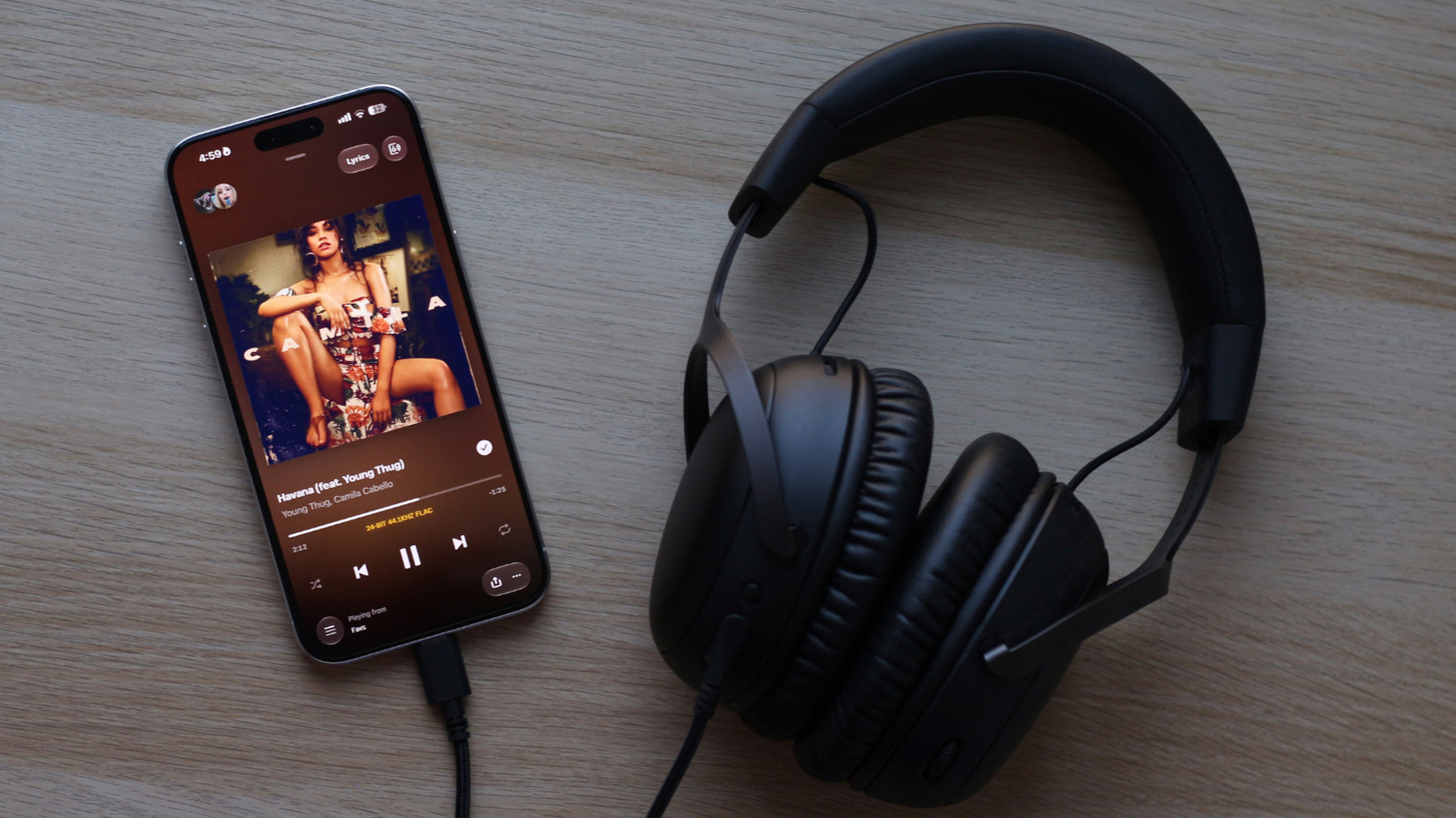
Stepping into the world of premium audio can feel like navigating a maze of technical jargon, especially when terms like "Dolby Atmos" and "Lossless Audio" pop up. Both promise an elevated listening experience, but they tackle audio from fundamentally different angles. After diving deep into what each offers, it's clear that while both aim for superior sound, one is likely to make a more immediate and noticeable difference for the average listener.
The Quick Verdict
If you're looking for the most impactful upgrade to your everyday listening experience with minimal fuss, Dolby Atmos often delivers a more discernible change. It transforms how you perceive sound by adding a three-dimensional element. Lossless audio, on the other hand, is about pure fidelity to the original recording, but its benefits are often more subtle and require a more specific, sometimes restrictive, setup to truly appreciate.
Understanding Lossless Audio: Purity Over Immersion
Lossless audio is all about preserving the integrity of the original recording. When you listen to music through common formats like MP3 or AAC, you're experiencing what's called 'lossy compression.' This process removes some of the audio data to create smaller file sizes, inevitably sacrificing a degree of quality. Lossless audio formats, such as FLAC or ALAC, are designed to retain every single bit of the original audio data. The goal is to deliver bit-perfect playback, letting you hear the music exactly as the artist and producer intended, without any compromise in fidelity.
Lossless audio comes in different tiers. "CD quality" lossless typically refers to 16-bit/44.1kHz audio, where 44.1kHz is the sample rate (how many times the audio signal is measured per second) and 16-bit is the bit depth (how precisely each measurement is recorded). For those seeking an even higher level of detail, "Hi-Res Lossless" takes things further, offering formats like 24-bit/96kHz or even 24-bit/192kHz.
To truly reap the benefits of lossless audio, particularly Hi-Res, you need the right ecosystem. This includes a streaming service that offers bit-perfect playback (like Apple Music or Tidal) and playback hardware capable of processing that additional detail. Critically, while some services let you stream lossless audio over Bluetooth, the signal is typically re-encoded into lossy codecs like SBC or AAC before reaching your headphones. For genuine lossless playback, a wired connection is generally recommended. Qualcomm's aptX Lossless codec is a notable exception, offering bit-perfect transmission via Bluetooth, but it demands both an Android phone and headphones that support the technology. Furthermore, while your phone or laptop's built-in DAC (digital-to-audio converter) can handle CD-quality lossless, an external DAC might be necessary to fully experience Hi-Res lossless content.
Experiencing Dolby Atmos: The Soundstage Revolution
Dolby Atmos represents a different philosophy entirely. Instead of focusing on raw audio fidelity, it's an object-based audio system designed to create an immersive, three-dimensional soundstage. Unlike traditional stereo, which confines sound between left and right channels, Dolby Atmos can position individual sounds at any point in 3D space, incorporating both horizontal and vertical dimensions. This means instruments, vocals, or effects can feel like they're coming from above, behind, or to the side of you, rather than just in front.
While technically possible to deliver Dolby Atmos using a lossless codec like Dolby TrueHD (often found on Blu-ray discs), streaming platforms typically utilize the Dolby Digital Plus codec, which is lossy. This means you're usually not getting both a lossless stream and a Dolby Atmos experience simultaneously from your favorite streaming service.
Enjoying Dolby Atmos content is generally more accessible than a true lossless setup. Major streaming services like Apple Music, Tidal, and Amazon Music Unlimited offer extensive catalogs of Dolby Atmos music. Most modern Apple devices support Dolby Atmos right out of the box, and many Android phones also feature compatibility (though you might need to check your device's specifications). You don't necessarily need specialized headphones; while a pair with good instrument separation and a wide soundstage can enhance the effect, even standard headphones or earbuds can convey the spatial experience. For example, AirPods Pro 2 are noted for delivering spatial audio effectively. My personal experience with Apple Music has shown that it handles its Atmos catalog elegantly, often automatically playing the Atmos version with compatible hardware. Tidal, conversely, lists Atmos versions separately, which can make browsing a bit clunkier but offers a clear choice between spatial and stereo mixes.
Not every track mixed in Dolby Atmos will blow you away, but when a song is mixed well, the difference is immediately apparent. Artists like The Weeknd, Daft Punk, and Billie Eilish have some fantastic Atmos mixes. Lady Gaga's "Poker Face" is cited as sounding like a completely different track in Dolby Atmos, even featuring an extended outro with additional vocals, showcasing the creative potential of the format.
Dolby Atmos vs. Lossless Audio: A Direct Comparison
Let's break down the key differences to clarify what each technology brings to your ears.
| Feature | Dolby Atmos | Lossless Audio |
|---|---|---|
| Primary Goal | Create a 3D, immersive spatial audio experience | Preserve the original recording's fidelity without data loss |
| How it Works | Object-based; positions individual sounds in a three-dimensional soundstage | Stores all original audio data for bit-perfect playback |
| Typical Codec | Dolby Digital Plus (lossy for streaming); Dolby TrueHD (lossless for Blu-ray) | FLAC, ALAC (lossless) |
| File Size | Generally larger than standard stereo, but still compressed | Significantly larger than lossy formats, true to original recording size |
| User Experience | More noticeable, immersive sound; sounds move around listener | Cleaner, more accurate, and detailed sound; subtle difference for many |
| Setup Complexity | Relatively straightforward; many devices and headphones supported | Can be complex; often requires wired connection, specific hardware, or external DAC for full benefit |
| Availability on Streaming | Widely available (Apple Music, Tidal, Amazon Music Unlimited) | Widely available (Apple Music, Tidal, Amazon Music Unlimited) |
| Simultaneous Playback | Rarely with lossless on streaming platforms (due to codec differences) | Can't be simultaneously enjoyed with Atmos on most streaming platforms |
Pros and Cons
Dolby Atmos
- Pros:
- Immersive Experience: Creates a truly engaging, three-dimensional soundstage that can make music feel more alive and surrounding.
- Noticeable Difference: The change in sound perception is often much more immediate and distinct than with lossless audio, especially for casual listeners.
- Easier Accessibility: Supported by a wide range of modern devices and doesn't require specialized headphones for basic enjoyment.
- Creative Potential: Allows artists and producers to mix music in innovative ways, adding new layers to familiar tracks.
- Cons:
- Often Lossy: For streaming, it typically uses Dolby Digital Plus, which is a lossy codec, meaning some original audio data is compressed.
- Mix Quality Varies: Not all Dolby Atmos mixes are created equal; a poorly mixed track might not offer a significant improvement or could even sound unnatural.
Lossless Audio
- Pros:
- Pristine Fidelity: Delivers audio exactly as the creator intended, with no data discarded during compression.
- Superior Detail: Offers a wider dynamic range and greater sonic detail than lossy formats, particularly with Hi-Res tracks.
- Cons:
- Demanding Setup: Achieving true lossless playback, especially Hi-Res, often requires specific hardware (like external DACs) and wired connections, limiting portability and convenience.
- Subtle Difference: For many listeners, particularly with less-than-ideal equipment or in noisy environments, the difference between high-quality lossy and lossless audio can be hard to discern.
- Bluetooth Limitations: Most Bluetooth codecs introduce lossy compression, preventing true lossless transmission unless using specialized technologies like aptX Lossless.
- Large File Sizes: Lossless files consume significantly more storage and bandwidth compared to their lossy counterparts.
Buying Recommendation
For the vast majority of listeners, the choice between Dolby Atmos and lossless audio leans heavily towards Dolby Atmos for a more impactful and accessible upgrade. The spatial immersion offered by a good Atmos mix is a game-changer that's immediately noticeable, transforming the listening experience even on standard, compatible headphones. While lossless audio offers unparalleled fidelity, its benefits are often more nuanced and demand a more dedicated, and sometimes wired, setup to truly shine.
If you're an audiophile with high-end equipment who prioritizes absolute sonic purity above all else, and you're willing to invest in the necessary gear and accept the limitations (like wired connections), then lossless audio is your path to the uncompromised sound. However, for everyone else seeking to elevate their daily tunes, Dolby Atmos provides a richer, more engaging soundscape that's far easier to enjoy on the devices you already own.
FAQ
Q: Can I get both Dolby Atmos and lossless audio at the same time from streaming services? A: Generally, no. While both technologies are available on streaming platforms like Apple Music and Tidal, they are distinct. Dolby Atmos content typically uses a lossy codec (Dolby Digital Plus), even though a lossless version (Dolby TrueHD) exists primarily for physical media like Blu-ray. Streaming services do not currently offer a combined lossless Dolby Atmos stream.
Q: Do I need special headphones for Dolby Atmos or lossless audio? A: For Dolby Atmos, you don't need highly specialized headphones, although headphones with good instrument separation and a wider soundstage can enhance the immersive effect. Modern Apple products and many Android devices support Atmos natively. For true lossless audio, especially Hi-Res, a wired connection is recommended, and an external digital-to-audio converter (DAC) might be necessary to fully experience the highest quality tracks, regardless of the headphones.
Q: Is lossless audio worth it if I only use Bluetooth headphones? A: For most Bluetooth headphones, the benefits of lossless audio are largely negated. Standard Bluetooth codecs (like SBC and AAC) re-compress audio lossily, even if the source is lossless. This means you won't get bit-perfect playback. The only exception mentioned is Qualcomm's aptX Lossless codec, which can transmit true lossless audio over Bluetooth, but both your playback device (e.g., Android phone) and headphones must support it. For most users with typical Bluetooth headphones, the difference between high-quality lossy and lossless audio will be imperceptible.
Related articles
Android 17 QPR2 Beta 7.1: The Performance Relief You've Been Waiting
Android 17 QPR2 Beta 7.1: Finally Fixing the QPR1 Performance Woes Verdict: Android 17 QPR2 Beta 7.1 is a crucial and highly anticipated software update for Google Pixel users, specifically targeting and resolving the

DJI Solo Video Setups: Smart Choices for Lone Creators
This review delves into DJI's recommended solo video setups, highlighting the Osmo Pocket 3 Creator Combo as a top pick for its integrated camera, gimbal, and mic. It also covers stabilizers like the Osmo Mobile 8 and RS 4, and the DJI Mic Mini series for enhanced audio, providing honest pros, cons, and clear buying advice.
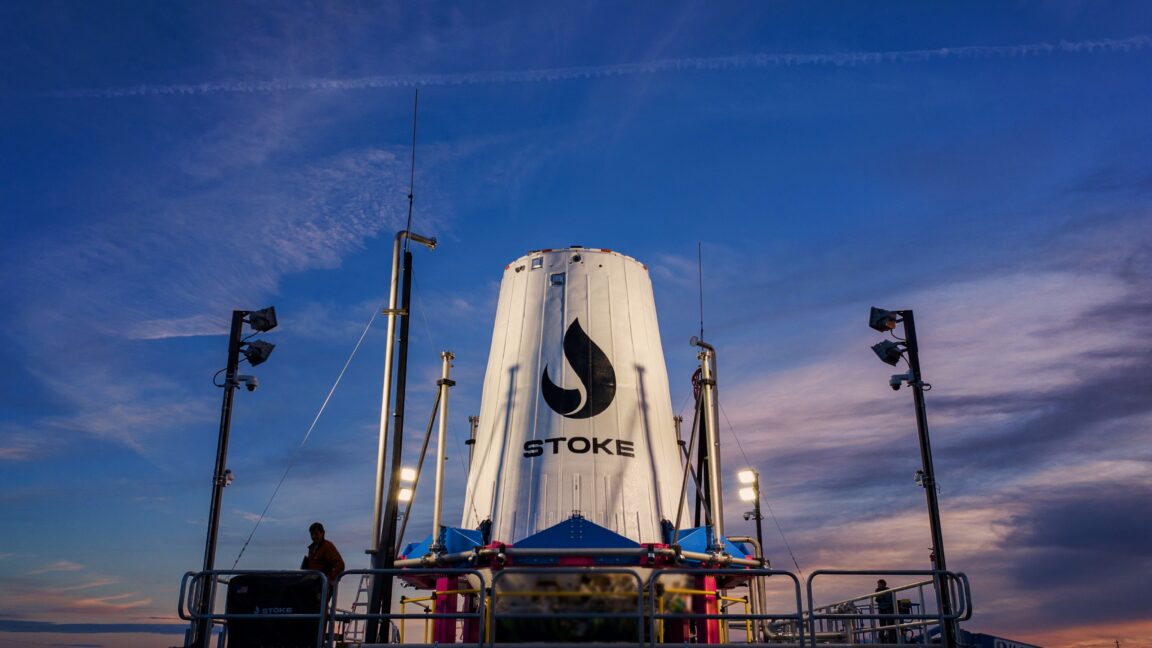
Ars Technica's Rocket Report: Your Essential Space Industry Briefing
Quick Verdict Ars Technica's Rocket Report, presented by veteran space reporter Stephen Clark, offers an invaluable and meticulously organized weekly (or similar frequency, implied by "Edition 9.15") digest of the most
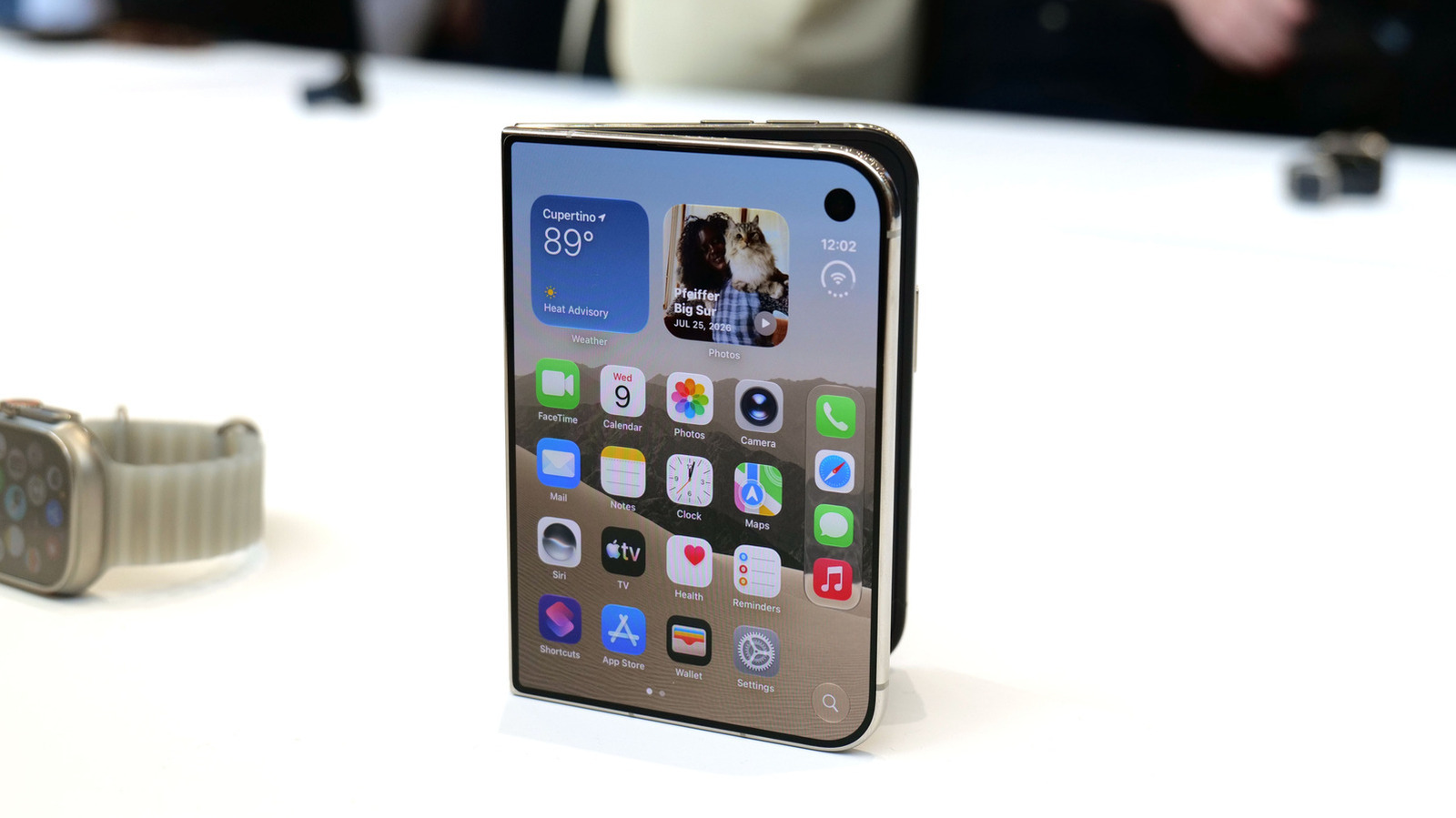
Apple iPhone Duo: A Daring Debut with Notable Compromises
Apple's highly anticipated iPhone Duo, priced at $2,000, has gone on pre-order. While hailed as "Apple's most exciting device in a decade" for its innovative foldable design and immersive display, it comes with significant drawbacks like the absence of FaceID and a premium camera.
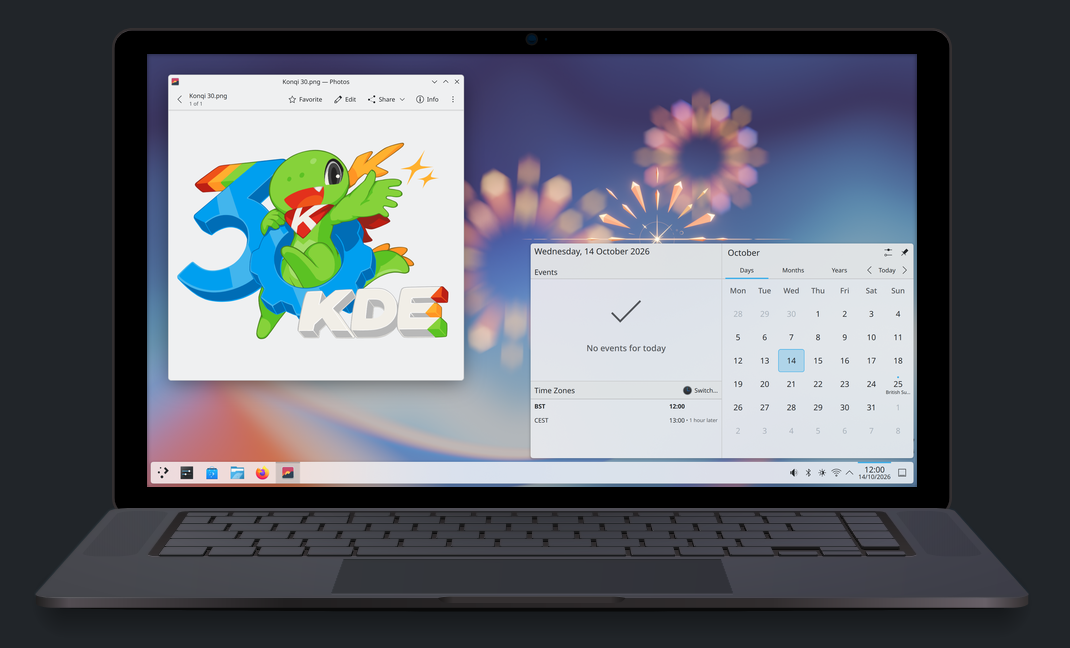
KDE Plasma 6.8: A Future-Focused 30th Anniversary Update
Quick Verdict KDE Plasma 6.8, arriving as the "30th Anniversary Edition," is a pivotal release that decisively pushes the desktop environment into the future. With a definitive farewell to native X11 sessions and a
Galaxy Watch One UI 9 Beta: Promising Progress, But Patience Needed
Galaxy Watch 8, Watch Ultra, and Watch 7 are receiving a new One UI 9 Watch beta build with bug fixes and a security patch. Active development signals progress, but a stable release date remains elusive.