
Dell XPS 16 Achieves Record Battery Life, Challenging Apple and
Dell's new XPS 16 laptop, featuring Intel's Panther Lake chip and an LG Display 1-120Hz variable refresh rate screen, has achieved unprecedented battery life, lasting nearly 27 hours in _Notebookcheck_'s Wi-Fi web browsing test. This performance potentially surpasses Apple MacBooks and Qualcomm-powered rivals, signaling a major breakthrough in laptop efficiency.

Dell's new XPS 16 laptop, powered by Intel's latest Panther Lake chip and featuring a groundbreaking 1-120Hz variable refresh rate display from LG Display, has achieved an unprecedented milestone in laptop battery life. Independent testing by Notebookcheck revealed the machine can last nearly 27 hours on a single charge during Wi-Fi web browsing, setting a new benchmark that potentially surpasses even Apple's acclaimed MacBooks and rival Qualcomm-powered devices.
This remarkable endurance was recorded during Notebookcheck's standard Wi-Fi web browsing benchmark, where a Core Ultra 325 version of the XPS 16 demonstrated an astonishingly low idle power consumption of just 1.5 watts. This efficiency allowed the laptop to achieve its near-27-hour run using only a 70 watt-hour battery pack, a capacity notably smaller than the 99.5Wh batteries Dell has sometimes included in its 16-inch models. The results underscore a significant leap in power optimization for mainstream Windows laptops.
These figures place the Dell XPS 16 at the pinnacle of Notebookcheck's extensive battery life database, outperforming every MacBook and MacBook Pro ever tested by the publication since 2014. While two other laptops in the database posted slightly longer durations, their reliance on different configurations highlights the XPS 16's unique achievement. One of these competitors utilized a Qualcomm Snapdragon X Plus chip combined with a larger 84Wh battery and a fixed 60Hz screen, while the other boasted a massive 149Wh total battery capacity spread across two units, also with a 60Hz display. The Dell XPS 16's ability to achieve near-record endurance with a standard battery and a high-refresh-rate display is particularly impressive.
The synergy between Intel's new Panther Lake architecture and LG Display's innovative 1-120Hz variable refresh rate (VRR) screen is the driving force behind this efficiency. Introduced at CES earlier this year, this advanced display technology dynamically adjusts its refresh rate down to a mere 1Hz when static content is shown, drastically reducing power consumption. This intelligent adaptation, combined with the inherent efficiency improvements of Intel's latest Core Ultra 3 chip, marks a pivotal moment for laptop design, proving that high performance and exceptional longevity can coexist without requiring oversized batteries or sacrificing display fluidity.
For years, Apple's M-series chips have set the gold standard for power efficiency and battery life in premium laptops, often leaving Intel-powered Windows machines trailing. This breakthrough by Intel and its partners signals a powerful resurgence, demonstrating that Intel is aggressively closing the gap, and in this specific test, potentially taking the lead. It intensifies the competitive landscape, particularly as Qualcomm prepares to launch more Snapdragon X Plus devices aiming to challenge the established order. This development suggests a future where users can expect significantly longer runtimes from a wider array of laptops, regardless of their underlying processor architecture, pushing the entire industry forward. The integration of advanced display tech, like LG's VRR panels, appears to be as crucial as chip efficiency in delivering these gains.
It is important to note that fixed, controlled battery life tests, while providing standardized comparisons, often yield higher numbers than what users experience in real-world, varied workloads. Factors like background applications, screen brightness, and the intensity of tasks during an actual workday typically lead to shorter overall battery durations. Nevertheless, the Notebookcheck results establish a new baseline for potential efficiency.
This achievement by the Dell XPS 16, powered by Intel and equipped with LG's cutting-edge display, represents a significant step forward for the laptop industry. It not only showcases Intel's renewed focus on power efficiency but also highlights the critical role display technology plays in maximizing portable endurance. As consumers increasingly demand all-day battery life, this collaboration could very well redefine expectations for high-performance Windows laptops, directly challenging the perception that ultimate longevity is solely the domain of ARM-based systems.
FAQ
Q: What specific technologies contribute to the Dell XPS 16's exceptional battery life?
A: The record battery life is primarily due to the combination of Intel's new Panther Lake (Core Ultra 325) processor and LG Display's 1-120Hz variable refresh rate screen. The display dynamically lowers its refresh rate to 1Hz when the screen is static, significantly reducing power consumption, while the Intel chip offers improved efficiency.
Q: How does the Dell XPS 16's battery life compare to Apple MacBooks?
A: According to Notebookcheck's Wi-Fi web browsing test, the Dell XPS 16 lasted nearly 27 hours, which is more than any MacBook or MacBook Pro the publication has tested since 2014. This indicates a potential lead in pure endurance for this specific Windows laptop configuration.
Q: Is the reported battery life typical for everyday use?
A: While the nearly 27-hour figure is impressive in a controlled benchmark, real-world battery life during an actual workday with varied tasks, higher screen brightness, and more active applications is generally expected to be less. The test serves as a strong indicator of the laptop's maximum potential efficiency.
Related articles

Apple Unveils iPhone Duo: Pricey Foldable Sees Soaring Demand
Apple has officially entered the foldable smartphone arena with the long-anticipated launch of the iPhone Duo. Priced starting at a hefty $1,999, the device features a 5.4-inch outer display and a larger 7.6-inch inner

in-depth: Chicago-Area Cops Helped HSI Spy on Minnesota Anti-ICE
Chicago-area law enforcement, including local police and HSI agents, conducted undercover surveillance on Minnesota anti-ICE activists at an April 2, 2022, talk in Chicago. This operation was part of a federal conspiracy probe into 15 Minnesota activists facing felony charges related to immigration enforcement resistance. Civil liberties advocates have condemned the surveillance as a troubling intrusion into protected political activity.

Mark Wahlberg on using AI in film ‘the right way’ and being open to
Actor Mark Wahlberg believes AI has a place in filmmaking if used responsibly for enhancement, not script generation or actor replacement. At TechCrunch Disrupt, he expressed openness to an AI likeness carrying on his legacy, managed by his family, and emphasized storytelling.
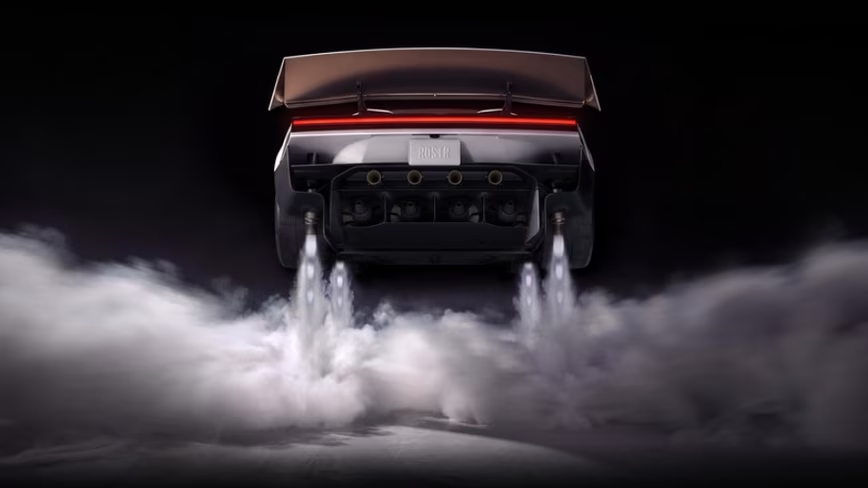
Tesla Unveils Thruster-Equipped Roadster, 2028 Production Targeted
Tesla has unveiled its second-generation Roadster, featuring cold-gas thrusters co-developed with SpaceX, enabling it to jump and flip. The electric sports car demonstrated 0-60mph in an astonishing 0.81 seconds, with production targeted for 2028. This highly anticipated reveal also serves as a key recruitment tool for Tesla's ambitious AI and robotics initiatives.

Amazon Prime Video Launches AI-Powered Prime 360 for NBA Coverage
Amazon Prime Video is elevating its NBA coverage with the introduction of Prime 360, an AI-powered replay system offering immersive, 'fly through' views of the action. Kicking off its second season, Prime Video also adds Yahoo fantasy integration and gains exclusive Eastern Conference Finals rights, expanding its tech-driven sports broadcast. The new features aim to deliver a unique and interactive viewing experience for basketball fans.
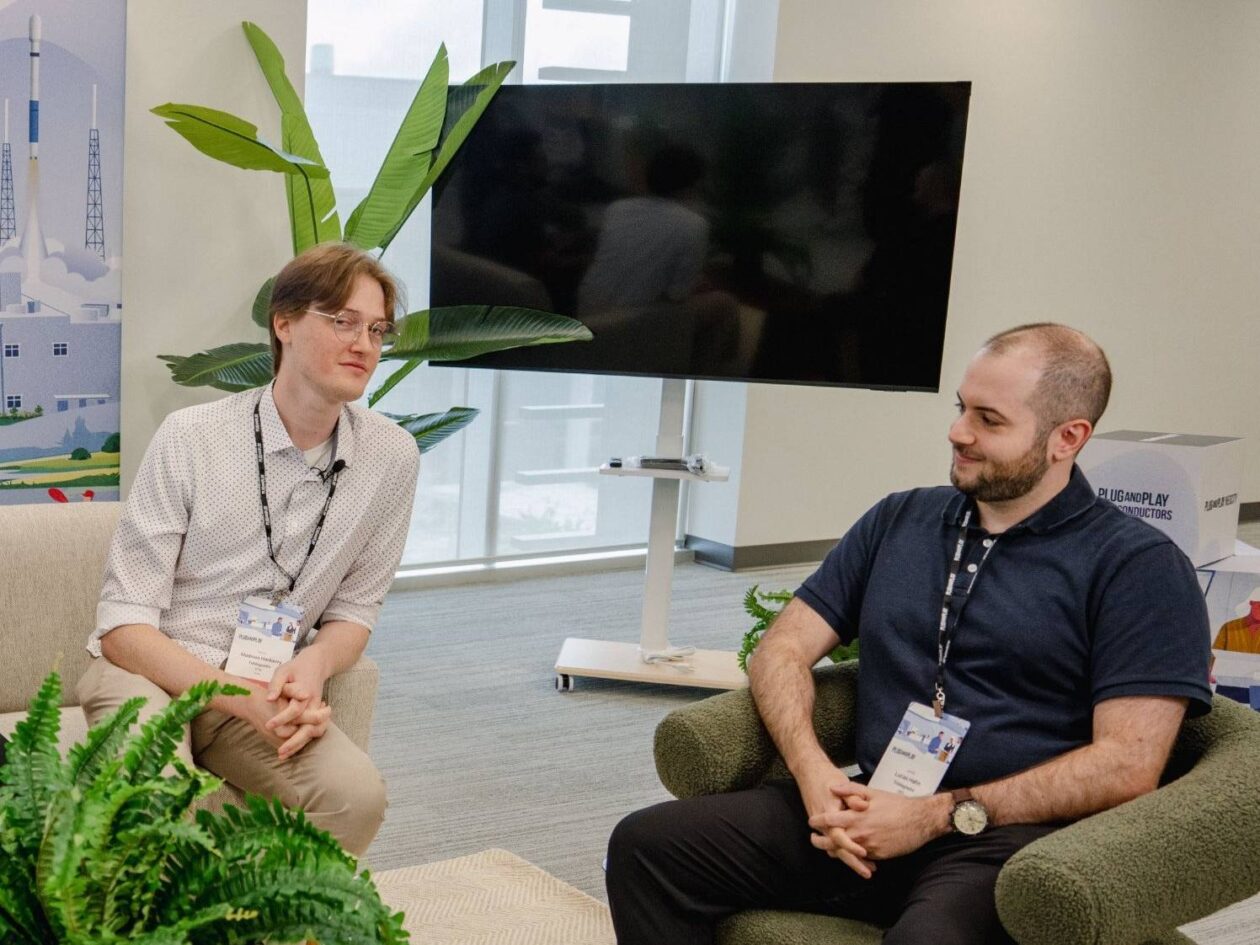
regional: A two-person Seattle startup lands $1M to reinvent
Seattle startup TriMagnetix has secured $1 million to develop semiconductor chips that consume 800 times less energy and are radiation-resistant. The two-person company, leveraging nanomagnetic technology, is targeting space applications and data centers. With new funding and key partnerships, TriMagnetix aims for commercial sales within a year.