
Dasharo v0.9.0 for AM5: The Open-Source Frontier (Early Access)
First Look: Dasharo v0.9.0 on AM5 – A Glimpse into Open-Source Firmware's Future Quick Verdict: Dasharo v0.9.0, bringing Coreboot and openSIL to AM5, is a monumental first step for open-source firmware enthusiasts and
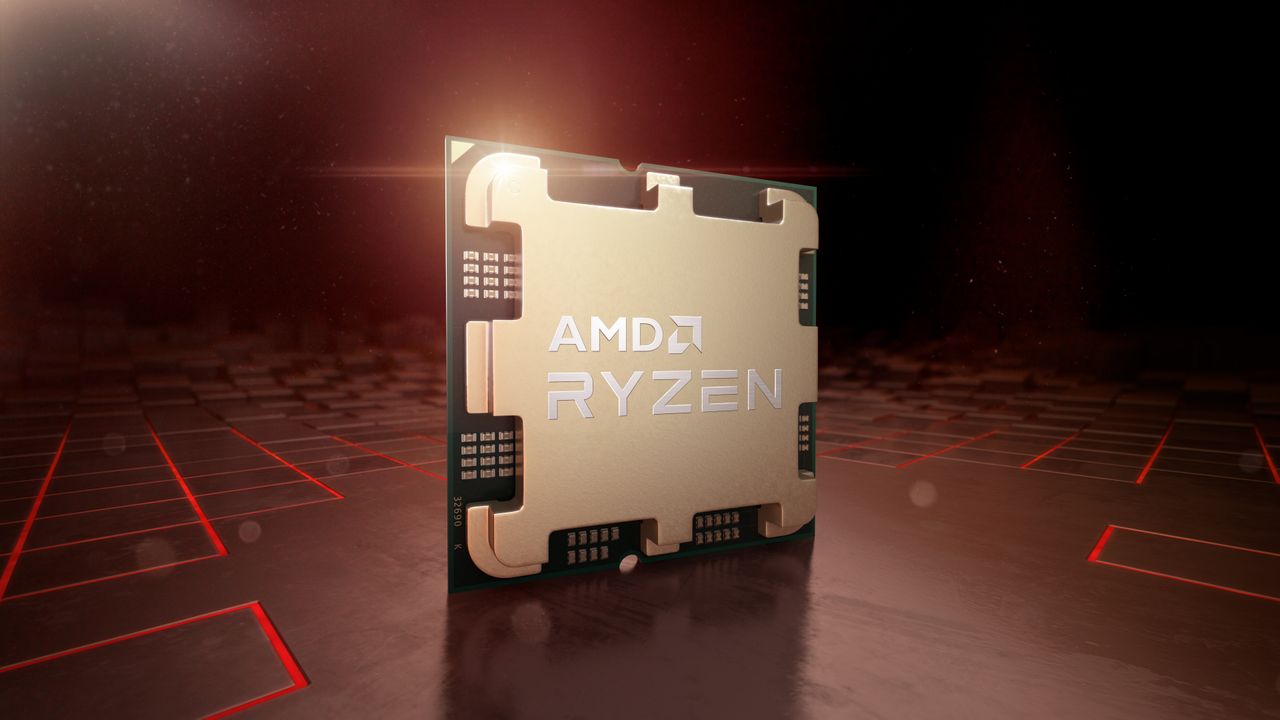
First Look: Dasharo v0.9.0 on AM5 – A Glimpse into Open-Source Firmware's Future
Quick Verdict: Dasharo v0.9.0, bringing Coreboot and openSIL to AM5, is a monumental first step for open-source firmware enthusiasts and security-conscious users. While currently limited to the MSI Pro B850-P WiFi motherboard and Zen 4 Phoenix APUs, it promises enhanced security, greater transparency, and potential performance boosts. This isn't for the average consumer yet, but for those craving control and open architecture, it's a significant milestone.
The Dawn of Open Firmware for AMD's Mainstream
The world of PC hardware is often a black box, especially when it comes to the low-level firmware that initializes your system before the operating system even loads. This is why the official launch of Dasharo v0.9.0 by 3mdeb is such a pivotal moment. For the first time, we're seeing truly open-source UEFI firmware arrive for AMD's mainstream AM5 platform, specifically supporting Zen 4 Phoenix APUs on the MSI Pro B850-P WiFi motherboard. This isn't just another BIOS update; it's a fundamental shift towards transparency and user control, powered by Coreboot and AMD's own openSIL framework.
Core Details and Key Features
Dasharo v0.9.0 represents the culmination of several months of dedicated development by 3mdeb, building upon their previous work on server-grade AMD EPYC platforms. This release integrates Coreboot, a popular open-source firmware, with AMD's openSIL (System Initialization Logic) framework. openSIL is AMD's next-generation open-source alternative to the proprietary AGESA firmware, which AMD intends to implement on future CPUs starting with Zen 6. However, 3mdeb has gone a step further, porting openSIL to current-generation Ryzen CPUs.
The initial v0.9.0 patch notes highlight 19 specific features tailored to make this open-source code function effectively on the MSI B850 board. Key functionalities include:
- UEFI-compatible boot interface: Ensures compatibility with modern operating systems and bootloaders.
- UEFI Secure Boot support: A crucial security feature, allowing only trusted software to load during startup.
- fTPM support: Essential for modern operating systems like Windows 11, enabling hardware-based security features.
- Fast boot and quiet boot support: Aiming to reduce system startup times and offer a cleaner boot experience.
- EFI system partition scanning: Standard functionality for locating and loading bootloaders.
- AMD CPU temperature reporting: Provides vital system monitoring capabilities.
- Integrated SBOM (Software Bill of Materials): A complete list of all software components, enhancing transparency and supply chain security.
This release is currently offered through the 3mdeb shop as a hardware-firmware bundle, implying a specific installation method for those interested.
User Experience and Why It Matters
The implications of open-source firmware like Dasharo extend far beyond mere technical specifications. For many users, particularly those with a strong focus on security, privacy, or system control, this is a game-changer.
Enhanced Security and Transparency
Traditional closed-source firmware, such as AMD's AGESA, is a proprietary black box. While vendors invest heavily in security, the lack of public scrutiny makes it challenging to identify and mitigate vulnerabilities. Open-source firmware, by its very nature, allows experts and developers worldwide to review the code. This collective auditing significantly improves vulnerability tracking and overall platform security. For anyone running sensitive workloads or simply prioritizing maximum security, this transparency is invaluable.
Potential Performance Improvements and Flexibility
Coreboot, a foundational component of Dasharo, is known for its optimized code, which often translates to faster boot times compared to complex proprietary UEFI solutions. While specific performance benchmarks for Dasharo v0.9.0 aren't detailed in the source, the general advantage of Coreboot in this area is well-established. Furthermore, openSIL's compatibility with various alternative firmware projects beyond UEFI (like oreboot, FortiBIOS, and Project µ) opens doors for unprecedented flexibility and customization for advanced users and developers.
The Long Game: Future-Proofing and Longevity
With open-source firmware, the fate of your system's foundation is less tied to a single vendor's support cycle. A vibrant community can continue to maintain, update, and even enhance the firmware long after official vendor support might wane. This can translate to greater longevity for hardware, a benefit often overlooked in the fast-paced tech world.
The Reality: Pros and Cons
Like any cutting-edge development, Dasharo v0.9.0 comes with its share of advantages and limitations.
Pros:
- Enhanced Security: The open-source nature allows for peer review and quicker identification/mitigation of vulnerabilities, leading to a more secure boot environment.
- Greater Transparency: An integrated SBOM and accessible code base provide unprecedented insight into the low-level workings of the system.
- Community-Driven Development: The ability for a broader developer community to contribute can lead to faster bug fixes, new features, and long-term support.
- Potential Performance Gains: Coreboot's optimized nature can result in faster boot times.
- Future Flexibility: OpenSIL’s compatibility with alternative firmware ensures a broader ecosystem and more choices for specialized applications.
Cons:
- Limited Hardware Support: Currently, it's only available for the MSI Pro B850-P WiFi motherboard and Zen 4 Phoenix APUs. This is a significant barrier to entry for most users.
- Niche Audience: This solution is primarily aimed at early adopters, developers, and those with specific security or transparency requirements, not the general PC building public.
- Installation Complexity: While not detailed, flashing third-party firmware typically requires a level of technical expertise beyond average user comfort.
- Early Stage: As version 0.9.0, it's still relatively new, and broader stability and feature parity with mature proprietary firmware might take time.
Comparison to AGESA
While not a direct product-to-product comparison, the introduction of Dasharo with openSIL directly challenges the traditional proprietary firmware approach exemplified by AMD's AGESA. AGESA, or AMD Generic Encapsulated Software Architecture, has been the standard for initializing AMD platforms. It's closed-source, meaning its code isn't publicly available for inspection.
| Feature | Traditional AGESA (Closed-Source) | Dasharo (Open-Source with openSIL) |
|---|---|---|
| Transparency | Limited; code is proprietary | Full; code is publicly viewable and auditable |
| Security Audits | Internal by vendor | Internal + community-driven; broader review potential |
| Vulnerability Mgmt. | Vendor-controlled patches | Community involvement can accelerate identification and patching |
| Flexibility | Tied to vendor roadmap; specific UEFI implementations | Compatible with various open firmware projects (Coreboot, oreboot, etc.) |
| Boot Performance | Varies; can be complex due to feature bloat | Potential for highly optimized, faster boot times via Coreboot |
| Current Support | Broad across all AM5 boards | Limited to MSI Pro B850-P WiFi and Zen 4 Phoenix APUs |
The core difference is trust and control. With AGESA, users trust AMD and motherboard vendors to deliver secure and efficient firmware. With Dasharo and openSIL, that trust is decentralized, allowing for a community-driven verification and improvement process. This also gives users more control over their system's boot process and the ability to customize it in ways proprietary firmware typically doesn't allow.
Buying Recommendation
Dasharo v0.9.0 is an exciting development, but it's important to set expectations. This is not a plug-and-play solution for the average consumer looking for a simple performance upgrade. It is an early adopter's dream and a critical tool for security researchers, open-source advocates, and developers. If you're building a system specifically with the MSI Pro B850-P WiFi and a Zen 4 Phoenix APU, prioritize maximum security and transparency, and possess the technical acumen to work with specialized firmware, then Dasharo is a highly recommended path. For everyone else, it's a technology to watch closely as it matures and expands its hardware compatibility.
FAQ
Q: Who would benefit most from using Dasharo v0.9.0?
A: Dasharo v0.9.0 is best suited for security-conscious users, open-source enthusiasts, developers, and early adopters who own or plan to acquire an MSI Pro B850-P WiFi motherboard with a Zen 4 Phoenix APU and are comfortable with advanced firmware flashing and management.
Q: Does Dasharo v0.9.0 improve system performance for gaming or everyday tasks?
A: While Coreboot, on which Dasharo is built, is known for optimized code that can lead to faster boot times, the article doesn't specify general system performance improvements for gaming or everyday tasks beyond boot-time optimization. Its primary benefits lie in security, transparency, and flexibility rather than raw application performance.
Q: Is Dasharo v0.9.0 easy to install for a typical PC user?
A: The article indicates that Dasharo is currently available as a "hardware-firmware bundle" from the 3mdeb shop. While specific installation details aren't provided, flashing custom firmware typically requires technical knowledge beyond what an average PC user might possess. It's not a simple one-click update like a standard BIOS update.
Related articles
Android 17 QPR2 Beta 7.1: The Performance Relief You've Been Waiting
Android 17 QPR2 Beta 7.1: Finally Fixing the QPR1 Performance Woes Verdict: Android 17 QPR2 Beta 7.1 is a crucial and highly anticipated software update for Google Pixel users, specifically targeting and resolving the

DJI Solo Video Setups: Smart Choices for Lone Creators
This review delves into DJI's recommended solo video setups, highlighting the Osmo Pocket 3 Creator Combo as a top pick for its integrated camera, gimbal, and mic. It also covers stabilizers like the Osmo Mobile 8 and RS 4, and the DJI Mic Mini series for enhanced audio, providing honest pros, cons, and clear buying advice.
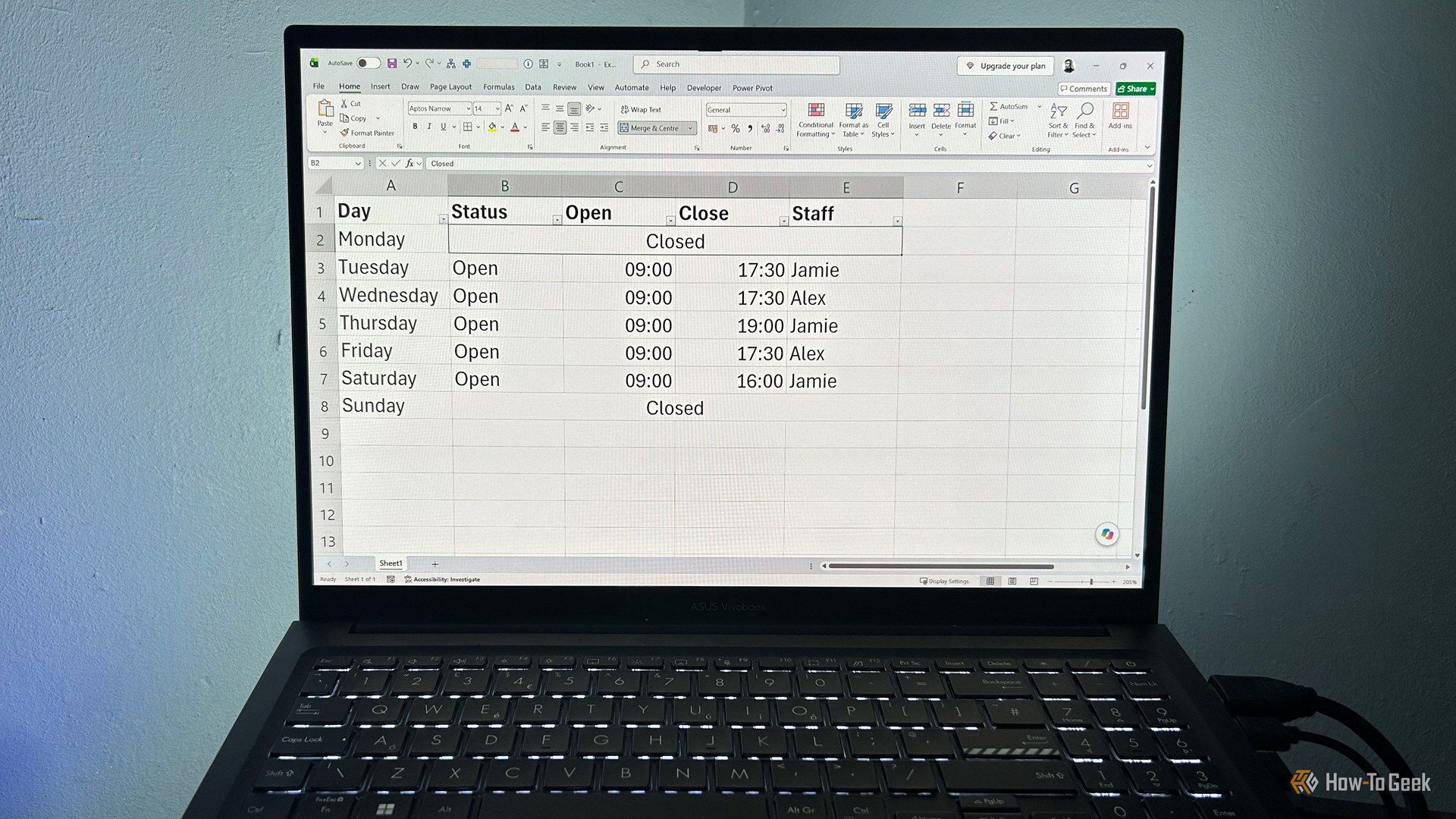
Ditch Merge & Center: The Better Way to Align Text in Excel
Learn to use Excel's "Center Across Selection" to align text across cells without merging, avoiding common data manipulation issues. This guide provides steps to utilize this newly accessible feature and add it to your Quick Access Toolbar.

Ars Technica's Rocket Report: Your Essential Space Industry Briefing
Quick Verdict Ars Technica's Rocket Report, presented by veteran space reporter Stephen Clark, offers an invaluable and meticulously organized weekly (or similar frequency, implied by "Edition 9.15") digest of the most

Apple iPhone Duo: A Daring Debut with Notable Compromises
Apple's highly anticipated iPhone Duo, priced at $2,000, has gone on pre-order. While hailed as "Apple's most exciting device in a decade" for its innovative foldable design and immersive display, it comes with significant drawbacks like the absence of FaceID and a premium camera.

AI's Confidence vs. Formal Methods' Rigor: Design Flaws & Verification
While AI accelerates code generation, formal methods remain critical for ensuring system correctness. Languages like TLA+ and tools like Quint enable developers to model and verify system designs before coding, catching subtle flaws. Quint makes formal methods more accessible with developer-friendly syntax and executability. This approach is vital for verifying AI-generated code through trace validation and model-based testing, ensuring reliability against real-world data.