
Commerce AI Fragmentation: Why Disconnected Systems Threaten Retail's
Despite unprecedented investment in artificial intelligence for commerce, many brands are reporting inconsistent outcomes. This paradox stems from a familiar pattern in retail technology: the rapid adoption of new

Despite unprecedented investment in artificial intelligence for commerce, many brands are reporting inconsistent outcomes. This paradox stems from a familiar pattern in retail technology: the rapid adoption of new capabilities without adequate integration. The result is a fragmented AI landscape that, while showing promise in isolated areas, is undermining the overall consumer experience and brand performance.
Over the past three years, the dominant approach to commerce AI has been additive. Retailers have layered AI-powered search atop existing catalogs, bolted conversational interfaces onto checkout flows, and deployed new recommendation engines alongside older personalization tools. Each addition was often justified by a specific metric improvement, yet none were designed to operate as a cohesive system.
The Cost of Point Solutions in AI
This "point solution pattern" has plagued commerce for decades, and AI is now amplifying its costs. While individual AI tools might deliver faster search or better recommendations, they often fail to provide a coherent experience across the entire customer journey. Consumers perceive this as inconsistency, loss of context, and a general disconnect between different parts of their shopping experience.
The real danger emerges when general-purpose AI tools, lacking a unified understanding of inventory, pricing, or policy, confidently surface incorrect or suboptimal products. This "hallucination problem" in commerce AI is largely a symptom of a deeper data coherence issue, where tools operating on disparate or incomplete information inevitably contradict each other and mislead shoppers.
When Metrics Deceive: System Failure Amidst Tool Success
This fragmented approach creates a significant reporting challenge. Individual conversational AI tools might boast strong engagement, search layers show improved relevance, and checkout systems report reduced abandonment within their specific funnels. However, these metrics often fail to capture what happens during the crucial handoffs between these disparate systems.
It's at these transition points where context breaks, sessions drop, and purchase intent generated in one layer fails to convert in the next. Consequently, many brands aggressively investing in commerce AI find themselves reporting strong tool-level performance alongside flat or even declining overall conversion rates. The individual tools may be functional, but the overarching system is not.
Further complicating matters, Bain research indicates a 15% to 25% decline in organic web traffic to retail sites due to the rise of AI-driven zero-click search. This external pressure, coupled with internal AI fragmentation, creates a structural problem that point-level optimizations simply cannot resolve, squeezing the sales funnel from both ends.
The Unifying Layer: A Blueprint for Success
Brands successfully deriving consistent, measurable outcomes from commerce AI share a critical architectural characteristic: they have implemented a unifying execution layer that integrates their AI investments. This represents a shift in design philosophy, moving beyond merely adding new AI capabilities to focusing on the connective tissue necessary for coherence.
This effective integration typically involves three core components. First, a shared data layer provides every AI tool with real-time, consistent access to product, pricing, and inventory information. Second, a robust policy and governance framework ensures that AI-generated recommendations align with the brand's established rules and guidelines. Finally, a versatile transaction layer can seamlessly receive consumer intent from any AI surface and convert it into a completed order without breaking context or requiring the consumer to restart their journey.
Brands that embrace this architectural coherence are not only improving individual tool performance but are also achieving compounding improvements across their entire AI stack. Each capability operates on consistent inputs, contributing to a truly coherent and effective output.
The Impending Era of Agentic Commerce
The window for treating commerce AI fragmentation as a minor, temporary issue is rapidly closing. The advent of agentic commerce, where AI systems autonomously initiate and complete transactions on behalf of consumers, raises the stakes significantly. An AI agent, designed for efficiency, will not tolerate broken handoffs between a recommendation engine and a checkout system. Such failures will lead to immediate abandonment and a likely permanent loss of the customer.
Establishing architectural coherence now, before agentic transactions become the norm, will provide brands with a substantial and compounding competitive advantage. Conversely, those that continue to layer disparate point solutions will find each new tool adding another potential point of failure. The challenge isn't with the quality of the AI tools themselves, but with the absence of the essential connective infrastructure. Recognizing and addressing this fundamental distinction will determine which brands thrive in the evolving landscape of commerce over the next decade.
FAQ
Q: What is the primary problem with current commerce AI implementations?
A: The main issue is fragmentation, where brands add AI capabilities as disconnected point solutions rather than integrating them into a cohesive system. This leads to inconsistent customer experiences and suboptimal overall business outcomes despite individual tool performance.
Q: How does this fragmentation impact consumers and businesses?
A: For consumers, it results in a disjointed shopping experience, loss of context, and unreliable recommendations. For businesses, it means misleading performance metrics, declining overall conversion rates, and an inability for AI tools to leverage complete, consistent data, leading to errors and missed opportunities.
Q: What is the recommended solution for achieving coherent commerce AI?
A: The most effective solution involves building or adopting a unifying execution layer. This layer should include a shared data layer for real-time consistency, a policy and governance framework for AI-generated recommendations, and a transaction layer capable of seamlessly converting AI-generated intent into completed orders.
Related articles

Apple Unveils iPhone Duo: Pricey Foldable Sees Soaring Demand
Apple has officially entered the foldable smartphone arena with the long-anticipated launch of the iPhone Duo. Priced starting at a hefty $1,999, the device features a 5.4-inch outer display and a larger 7.6-inch inner

in-depth: Chicago-Area Cops Helped HSI Spy on Minnesota Anti-ICE
Chicago-area law enforcement, including local police and HSI agents, conducted undercover surveillance on Minnesota anti-ICE activists at an April 2, 2022, talk in Chicago. This operation was part of a federal conspiracy probe into 15 Minnesota activists facing felony charges related to immigration enforcement resistance. Civil liberties advocates have condemned the surveillance as a troubling intrusion into protected political activity.

Mark Wahlberg on using AI in film ‘the right way’ and being open to
Actor Mark Wahlberg believes AI has a place in filmmaking if used responsibly for enhancement, not script generation or actor replacement. At TechCrunch Disrupt, he expressed openness to an AI likeness carrying on his legacy, managed by his family, and emphasized storytelling.

Ars Technica's Rocket Report: Your Essential Space Industry Briefing
Quick Verdict Ars Technica's Rocket Report, presented by veteran space reporter Stephen Clark, offers an invaluable and meticulously organized weekly (or similar frequency, implied by "Edition 9.15") digest of the most

Tesla Unveils Thruster-Equipped Roadster, 2028 Production Targeted
Tesla has unveiled its second-generation Roadster, featuring cold-gas thrusters co-developed with SpaceX, enabling it to jump and flip. The electric sports car demonstrated 0-60mph in an astonishing 0.81 seconds, with production targeted for 2028. This highly anticipated reveal also serves as a key recruitment tool for Tesla's ambitious AI and robotics initiatives.
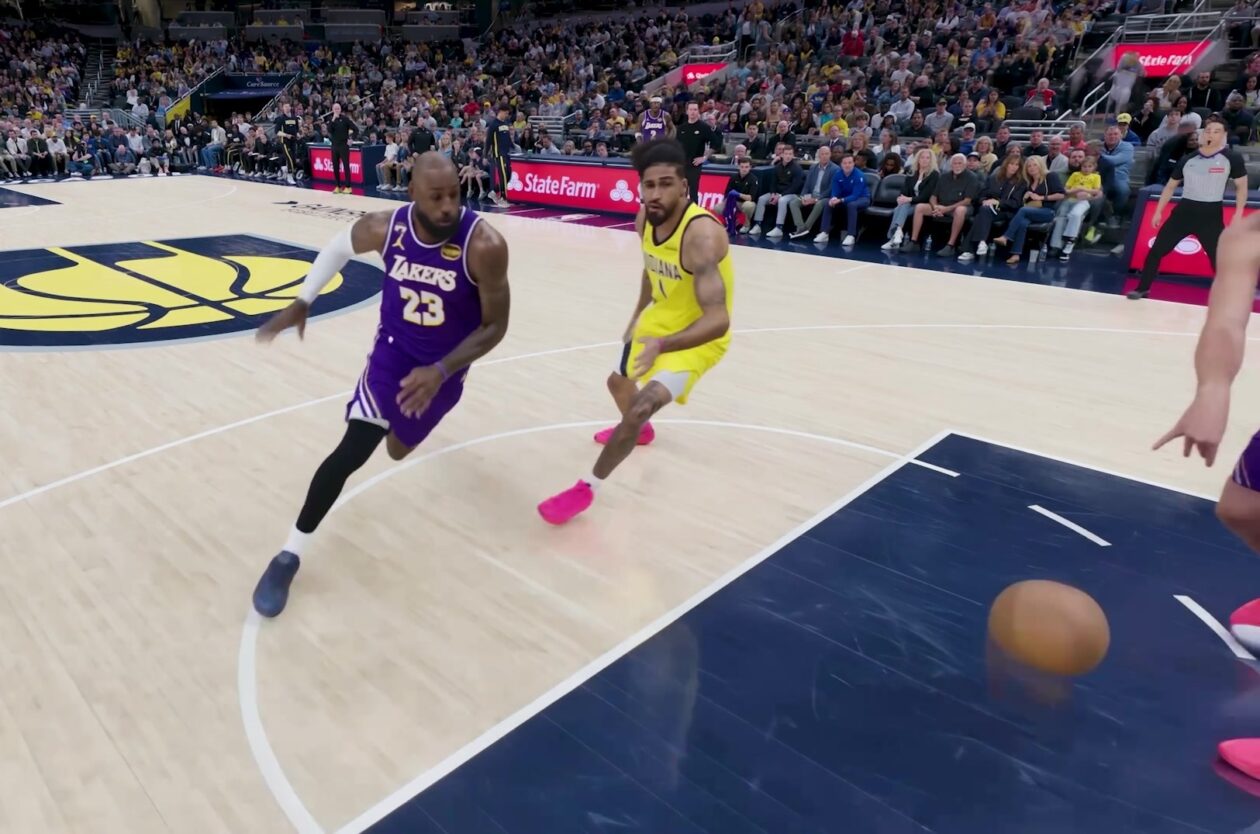
Amazon Prime Video Launches AI-Powered Prime 360 for NBA Coverage
Amazon Prime Video is elevating its NBA coverage with the introduction of Prime 360, an AI-powered replay system offering immersive, 'fly through' views of the action. Kicking off its second season, Prime Video also adds Yahoo fantasy integration and gains exclusive Eastern Conference Finals rights, expanding its tech-driven sports broadcast. The new features aim to deliver a unique and interactive viewing experience for basketball fans.