
Colossal's Artificial Egg: A Breakthrough for Biology and
Colossal's artificial egg offers a revolutionary platform for observing avian embryo development and a crucial step for de-extinction, overcoming long-standing research challenges.
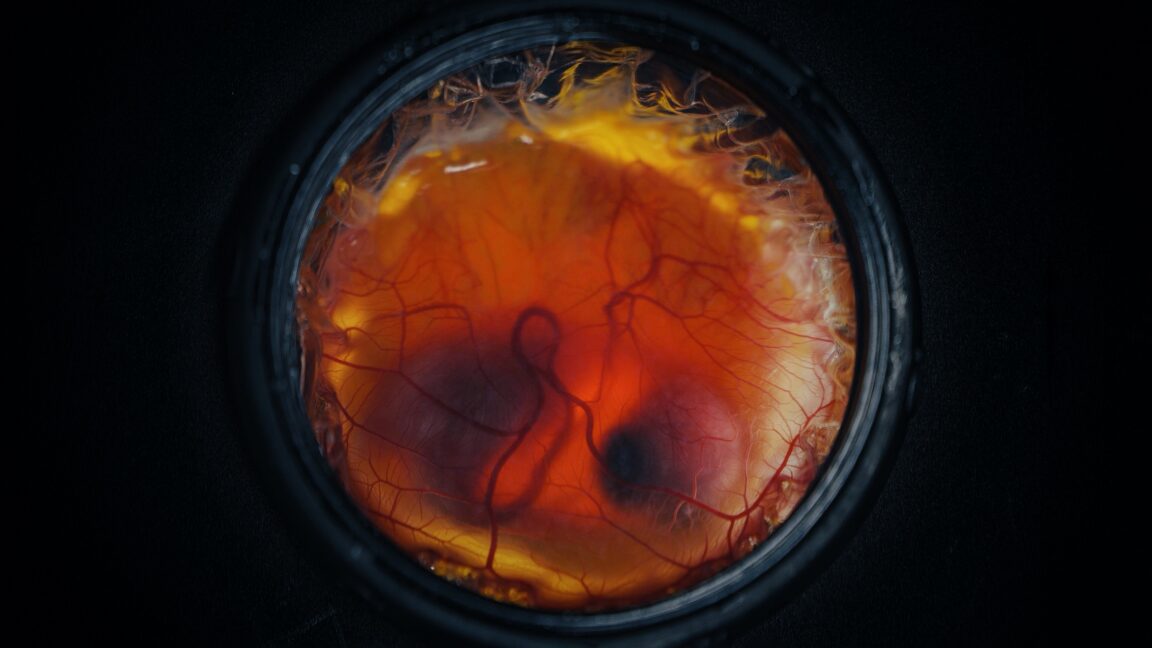
Quick Verdict
Colossal's artificial egg is a truly fascinating and potentially game-changing innovation. While designed with ambitious de-extinction goals in mind, its immediate impact on developmental biology research appears profound. By providing a stable, observable environment for avian embryos, it promises to unlock new insights into the complex dance of vertebrate development. This isn't a consumer gadget, but for scientists, it's a powerful new lens into life's origins.
Introduction: Hatching a New Era in Biology
The biotech startup Colossal, known for its audacious goal of bringing extinct species back to life, has unveiled a significant technological advancement: an artificial eggshell. This isn't about creating breakfast without a hen, but rather a sophisticated structural support system that allows avian embryos, specifically chickens, to develop almost entirely outside their natural shell. Successfully demonstrated by enabling normal chicks to hatch after transfer from a natural egg within a day or two of laying, this technology serves a dual purpose: it's a critical step on Colossal's path to de-extinction, and, perhaps more immediately, a powerful new tool for developmental biologists.
A Closer Look: The Design and Mechanics
At its core, Colossal’s innovation is a 3D-printed structural support meticulously designed to cradle the entire contents of an egg. This includes the delicate yolk and its surrounding membranes, maintaining the precise tension necessary for proper embryonic development—a crucial detail that plagued previous attempts at external incubation.
Key features and how it works:
- Structural Integrity: The 3D-printed device supports the egg's contents, preventing the sagging or disorganization that typically occurs when the yolk membrane is not under proper tension. The curvature of the container was specifically engineered for this.
- Optimized Gas Exchange: The system is lined with a special membrane facilitating oxygen exchange with the environment. Critically, this membrane is efficient enough to allow the embryo to develop in a normal atmospheric oxygen concentration, mitigating the risk of DNA damage associated with high-oxygen environments required by older methods. Humidity control, however, remains essential.
- Nutrient Management: While most of the egg's contents are transferred, the embryo still requires an external supply of calcium, which it would normally draw from a natural eggshell. Colossal found this to be the only necessary external addition.
- Early Development Transfer: The team successfully transfers the egg contents to their artificial device as early as day one of development, when the embryo is still a nascent smudge of cells on the yolk surface. This early transfer ensures the developing circulatory system integrates properly within the supported yolk.
- Microscopy Ready: The container's design includes features that allow for light diffusion from beneath, making it ideal for continuous microscopic observation and filming of dynamic developmental processes. The natural density difference causes the yolk to float, with the embryo rotating to the top, ensuring an optimal viewing angle.
User Experience: Unleashing New Research Potential
For a developmental biologist, this artificial egg is nothing short of revolutionary. Traditional methods for studying chicken embryos involved carefully chipping a hole in an egg, performing manipulations, and then sealing it. This approach offered only two fixed observation points: immediately after manipulation and at the experiment's conclusion. The dynamic, continuous process of development remained largely a mystery between these points.
Colossal’s device changes this fundamentally:
- Dynamic Observation: Researchers can now continuously film and track cell movements, tissue rearrangements, and the formation of complex structures like the spinal cord. This provides an unprecedented, real-time view of embryonic processes that were previously only inferred or seen in snapshots.
- Overcoming Hurdles: It directly addresses the long-standing challenges of maintaining membrane tension and supporting the developing circulatory system when culturing avian embryos, issues that often led to disorganized or non-viable samples.
- Enhanced Manipulations: All the standard biological manipulations—tissue removal, signaling molecule implantation, DNA injection—can still be performed. The key difference is the ability to observe their effects throughout development, not just at the end.
- Accessibility: Colossal has indicated a willingness to provide this technology to research labs free of charge, a significant boon for the scientific community.
De-extinction and Beyond: Colossal's Grand Ambition
While the immediate research benefits are clear, Colossal developed this technology primarily for its de-extinction efforts, particularly for avian species like the dodo and moa. These extinct birds were considerably larger than any closely related living species. Using a modern chicken egg to gestate a moa embryo, for example, is simply not feasible due to size and nutritional requirements.
The artificial egg system offers a pathway to overcome these biological constraints:
- Nutrient Supplementation: The externalized system potentially allows for the addition or exchange of nutrients as the embryo develops, supporting the growth of much larger embryos than a typical host egg could sustain. This would be done after the embryo is transferred, as simply pumping material into a natural yolk would cause it to burst.
However, challenges remain for Colossal’s specific de-extinction goals:
- Early Stages of Development: Embryonic development begins before an egg is even laid. Colossal will need to either figure out how to foster the very first half-day of development outside an egg before transfer or develop methods to fertilize eggs after their contents have been placed in the artificial device. These are complex biological hurdles that are specific to their ambitious de-extinction projects.
The Verdict: A Powerful Tool with Immense Potential
Colossal's artificial egg is a triumph of bioengineering. It meticulously addresses the delicate physiological requirements of avian embryos, transforming a previously opaque and challenging area of research into a transparent, observable process. For developmental biologists, it's a gift that promises to accelerate discoveries. For Colossal, it’s a critical piece of the puzzle, bringing the audacious dream of de-extinction a tangible step closer, albeit with remaining challenges specific to their grander vision.
Recommendation:
For academic and industry research labs focused on developmental biology, particularly those studying avian embryology, this technology represents an indispensable advancement. The ability to observe and manipulate embryos dynamically in a stable, optimized environment will unlock new avenues of discovery. Given Colossal's stated intent to make this available to researchers without charge, its impact on research is invaluable, and it's an opportunity no relevant lab should overlook.
FAQ
Q: What exactly is Colossal's "artificial egg"? A: It's a 3D-printed structural support system designed to hold the contents of an avian egg (like a chicken egg) and allow the embryo to develop outside the natural shell. It includes a special membrane for oxygen exchange, maintains proper membrane tension for development, and allows for continuous observation.
Q: Who is this technology for? A: While developed by Colossal for de-extinction projects involving large extinct birds like the dodo and moa, its primary immediate utility is for developmental biology researchers. It provides a novel platform for studying avian embryology in real-time, addressing long-standing challenges in observing dynamic developmental processes.
Q: How does this artificial egg improve upon existing research methods? A: Previously, studying avian embryos often involved limited observation points after manipulations or struggling with embryo viability in culture due to issues like membrane sagging and poor blood circulation. Colossal's device solves these problems by providing stable support, efficient oxygen exchange in a normal atmosphere, and the ability to continuously film and track development, offering an unprecedented, dynamic view of embryonic processes.
Related articles
Android 17 QPR2 Beta 7.1: The Performance Relief You've Been Waiting
Android 17 QPR2 Beta 7.1: Finally Fixing the QPR1 Performance Woes Verdict: Android 17 QPR2 Beta 7.1 is a crucial and highly anticipated software update for Google Pixel users, specifically targeting and resolving the

DJI Solo Video Setups: Smart Choices for Lone Creators
This review delves into DJI's recommended solo video setups, highlighting the Osmo Pocket 3 Creator Combo as a top pick for its integrated camera, gimbal, and mic. It also covers stabilizers like the Osmo Mobile 8 and RS 4, and the DJI Mic Mini series for enhanced audio, providing honest pros, cons, and clear buying advice.

Ars Technica's Rocket Report: Your Essential Space Industry Briefing
Quick Verdict Ars Technica's Rocket Report, presented by veteran space reporter Stephen Clark, offers an invaluable and meticulously organized weekly (or similar frequency, implied by "Edition 9.15") digest of the most

Apple iPhone Duo: A Daring Debut with Notable Compromises
Apple's highly anticipated iPhone Duo, priced at $2,000, has gone on pre-order. While hailed as "Apple's most exciting device in a decade" for its innovative foldable design and immersive display, it comes with significant drawbacks like the absence of FaceID and a premium camera.

KDE Plasma 6.8: A Future-Focused 30th Anniversary Update
Quick Verdict KDE Plasma 6.8, arriving as the "30th Anniversary Edition," is a pivotal release that decisively pushes the desktop environment into the future. With a definitive farewell to native X11 sessions and a
Galaxy Watch One UI 9 Beta: Promising Progress, But Patience Needed
Galaxy Watch 8, Watch Ultra, and Watch 7 are receiving a new One UI 9 Watch beta build with bug fixes and a security patch. Active development signals progress, but a stable release date remains elusive.