
Chest Strap HR Monitors: Accurate Tracking for Your Workouts
Heart rate monitors have evolved, but for pinpoint accuracy during your workouts, chest strap devices remain the gold standard. Unlike smartwatches or fitness trackers that often rely on optical sensors, chest straps

Heart rate monitors have evolved, but for pinpoint accuracy during your workouts, chest strap devices remain the gold standard. Unlike smartwatches or fitness trackers that often rely on optical sensors, chest straps utilize electrocardiogram (ECG) technology to detect your heart's electrical signals, offering significantly more precise readings. This precision is crucial for optimizing workout intensity, tracking cardiovascular metrics, and truly understanding your body's response to exercise.
After extensive testing focusing on function, price, comfort, and battery life, and consulting with three fitness experts, we've identified the top contenders to help you get the most accurate data from your training sessions. Whether you're a seasoned athlete or just starting your fitness journey, there's a chest strap monitor that's right for you.
Quick Verdict
For overall performance and reliability, the Polar H10 stands out as the best choice, especially for outdoor enthusiasts. If you're on a tighter budget, the CooSpo H808S delivers impressive functionality without breaking the bank. And for beginners seeking an easy-to-understand system with versatile tracking options, the MyZone MZ Switch offers an excellent entry point.
The Gold Standard: Polar H10
The Polar H10 is widely acclaimed as the premier chest strap heart rate monitor, a sentiment echoed by all the fitness experts we consulted. It excels in delivering highly accurate, ECG-level data, making it ideal for a comprehensive understanding of your heart rate training, caloric output, and overall exertion levels. Nic Wilson, an F45 Training Athlete, calls it "the gold standard for accuracy and reliability," while Tara De Leon, CSCS, NSCA Personal Trainer of the Year, praises Polar's pioneering role in wireless heart-rate monitoring.
This device boasts an adjustable strap (fitting chests from 58 to 95 cm) that users report as incredibly comfortable and almost imperceptible during workouts. Connectivity is seamless with both Bluetooth and ANT Plus, allowing it to pair with up to two Bluetooth devices simultaneously – perfect for connecting to both a smartwatch and compatible gym equipment. The Polar Beat app (available on iOS and Android) is essential for unlocking its full potential, offering the ability to track 19 different activities, including swimming, as the device is waterproof up to 30 meters.
While the Polar app provided detailed readings for walks (distance, average HR, calories burned, max HR, pace, fat burn percentage), the reviewer noted that it offered less detailed data for strength training directly within the Polar app, though the information was still captured and viewable via a connected Apple Fitness app. With an impressive 400 hours of battery life, the Polar H10 is a robust and reliable choice for anyone serious about monitoring their fitness, particularly for outdoor activities like running, hiking, and skiing. However, its $105 price tag might be a barrier for some, and it may not be the best fit for those whose primary activities are exclusively indoors with a need for detailed strength training metrics within its native app.
Pros:
- Exceptional accuracy with ECG technology
- Highly comfortable and adjustable strap
- Dual Bluetooth and ANT+ connectivity (connects to two BT devices)
- Waterproof up to 30 meters
- Excellent 400-hour battery life
- Ideal for outdoor activities
Cons:
- Higher price point ($105)
- Native app may not provide extensive data for all indoor strength training activities
- Requires Polar Beat app for full functionality
Budget-Friendly Accuracy: CooSpo H808S
For those seeking accurate heart rate tracking without a significant investment, the CooSpo H808S is a standout option. Priced at under $40, this chest strap monitor proves that you don't need to overspend to get reliable performance. It offers solid accuracy and broad compatibility, making it an excellent value proposition.
Activation is simple: just wet the sensors on the strap before securing it. An LED light signals when the device is successfully connected. Like the Polar H10, it features both Bluetooth and ANT Plus connectivity, allowing it to sync with a wide array of third-party fitness apps such as Wahoo, Garmin, Peloton, and even its own CoospoRide app. This extensive compatibility makes it versatile for different training ecosystems.
Comfort is a key highlight, with a strap that has a "barely-there feel" and is waterproof, making it suitable for sweaty workouts or even swimming. With a battery life of 300 hours, it offers good longevity. The CooSpo H808S performed well during walks and is particularly well-suited for athletes training for long-distance races or taking cycling classes. However, if your primary focus is strength training, you might find other options on this list provide more tailored data for those specific activities. It also lacks a single "universal app" experience, relying more on integration with external platforms.
Pros:
- Highly affordable (under $40)
- Syncs with a wide range of popular third-party apps and devices
- Comfortable, barely-there strap
- Waterproof design
- Good 300-hour battery life
Cons:
- Best suited for long-distance and cardio activities, less ideal for strength training
- Doesn't offer a unified, universal app experience like some competitors
Versatility for Beginners: MyZone MZ Switch
The MyZone MZ Switch offers a unique proposition with its dual-strap system, including both a chest and a wrist strap in one kit, along with a convenient carrying case. This versatility makes it particularly user-friendly for beginners who might prefer different wearing options depending on their activity, and it aims to provide even more accurate results.
Setup is straightforward, and the device connects easily to the MyZone app as well as other popular fitness apps like Strava, MyFitnessPal, and MapMyRun, plus smartwatches from Apple, Samsung, and Garmin. The wrist strap features a round ECG and PPG sensor with a simple on/off button, while the chest strap secures easily with buttons. It's waterproof up to 10 meters.
A standout feature for beginners is MyZone's Effort Points (MEPs) system, which translates your heart rate into zones (blue, yellow, light gray, dark gray, green, red) representing a percentage of your maximum heart rate. This color-coded rubric makes it exceptionally easy to follow how hard your heart is working during interval training, strength training, or any activity. While the reviewer noted slight discrepancies in average heart rate and calorie data compared to an Apple Watch, this was expected due to MyZone's proprietary rating system. The MZ Switch is an excellent choice for anyone who values an intuitive system for monitoring their exertion levels. Its main drawbacks are its higher price point of $160 and a battery life of 3-6 months, which is shorter than other options in its price range.
Pros:
- Includes both chest and wrist straps for versatile use
- Easy to set up and connect to various apps
- MyZone Effort Points (MEPs) system is excellent for beginners
- Waterproof up to 10 meters
- Good for interval and strength training
Cons:
- Most expensive option ($160)
- Shorter battery life (3-6 months) compared to competitors
- MyZone's unique data metrics might differ from other devices
The Best Chest Strap Heart-Rate Monitors Compared
| Heart Rate Monitor | Battery Life | Built-in GPS | Size (Chest) | Waterproof? | Connectivity | Compatible Third-Party Apps | Price |
|---|---|---|---|---|---|---|---|
| Polar H10 | 400 hours | No | 58-95 cm | Yes, up to 30m | Bluetooth & ANT+ | Strava, Adidas Running, Komoot, TrainingPeaks, Relive & more | $105 |
| CooSpo H808S | 300 hours | No | 25-36 inch | Yes | Bluetooth & ANT+ | CoospoRide, Wahoo Fitness, Adidas Running, Peloton, Zwift & more | $25 |
| MyZone MZ Switch | 3-6 months | No | 24.4-34.6 inch | Yes, up to 10m | Bluetooth & ANT+ | MapMyRun, Strava, MyFitnessPal & more | $160 |
Our Testing Methodology and User Experience
To provide an honest and detailed analysis, each heart rate monitor was rigorously tested during strength training and walking workouts. Comfort was a primary consideration, evaluating how the chest strap felt throughout various activities. Features like device and app connectivity, as well as additional captured metrics beyond heart rate, were thoroughly assessed. Battery life was also a crucial factor.
For comparative purposes, readings from each chest strap were cross-referenced with data from an Apple Watch. While not a laboratory-grade accuracy test, the Apple Watch provided a consistent and easily readable benchmark. Furthermore, insights from seasoned fitness professionals – Denise Chakoian, Nic Wilson, and Tara De Leon – were integral to forming our expert recommendations. It's also worth noting that the Garmin HRM-Pro, previously praised for its year-long battery life, has since been discontinued.
Factors to Consider When Choosing
Selecting the right chest strap monitor involves personal preferences and your specific workout regimen:
- Activity Type: Most are suitable for various cardio, but check for swimming compatibility if needed.
- Price: Reliable options range from under $50 to over $150 for advanced features.
- Battery Life: Decide if you prefer long-lasting disposable batteries (some lasting over a year) or rechargeable options.
- Connectivity: Ensure it has Bluetooth and/or ANT Plus to connect with your preferred smartphone, apps, or gym equipment.
- Strap & Module Size: Consider comfort with slim vs. wider straps and compact vs. larger sensor modules.
- Internal Storage: Useful if you prefer working out without your phone, allowing data transfer later.
- Metrics: Determine if you need basic heart rate tracking or advanced data like cadence, stride length, or HRV.
Final Recommendation
For the ultimate in accuracy and reliability, especially for outdoor endurance activities, the Polar H10 is the undisputed champion. Its robust build, extensive connectivity, and expert endorsements make it a worthwhile investment.
If budget is your primary concern, the CooSpo H808S delivers exceptional value, providing accurate readings and broad app compatibility for less than the cost of a few coffee runs. It's a smart choice for long-distance training.
For beginners seeking an intuitive way to understand their exertion and who appreciate versatility in wearing options, the MyZone MZ Switch with its dual straps and unique MEPs system is an outstanding choice, despite its higher price and shorter battery life.
No matter your fitness level or specific needs, a chest strap heart rate monitor can significantly enhance your training by providing the precise data you need to reach your goals.
FAQ
Q: Why should I choose a chest strap heart rate monitor over a smartwatch?
A: Chest strap monitors typically use electrocardiogram (ECG) technology, which detects the electrical signals of your heart, providing significantly more accurate and real-time heart rate data compared to the optical (light-based) sensors found in most smartwatches and fitness trackers. This precision is vital for optimizing training zones and detailed performance analysis.
Q: What's the main difference between indoor and outdoor activity tracking with these monitors?
A: While most chest strap monitors can track heart rate for both, some (like the Polar H10) are optimized for outdoor activities and may provide more detailed metrics like distance, pace, and fat burn percentage when paired with GPS-enabled devices. For indoor activities like strength training, some apps might offer less detailed native analytics for heart rate data, though the core heart rate itself is still accurately captured and can often be viewed on connected third-party platforms.
Q: Is it important for a chest strap monitor to have its own universal app?
A: Not necessarily. While some users prefer a dedicated app for a unified experience, many excellent chest strap monitors (like the CooSpo H808S) shine through their compatibility with a wide array of popular third-party fitness apps (e.g., Strava, Peloton, Wahoo). This allows you to integrate your heart rate data seamlessly into the fitness ecosystem you already use, providing flexibility rather than a single proprietary platform.
Related articles
Android 17 QPR2 Beta 7.1: The Performance Relief You've Been Waiting
Android 17 QPR2 Beta 7.1: Finally Fixing the QPR1 Performance Woes Verdict: Android 17 QPR2 Beta 7.1 is a crucial and highly anticipated software update for Google Pixel users, specifically targeting and resolving the

DJI Solo Video Setups: Smart Choices for Lone Creators
This review delves into DJI's recommended solo video setups, highlighting the Osmo Pocket 3 Creator Combo as a top pick for its integrated camera, gimbal, and mic. It also covers stabilizers like the Osmo Mobile 8 and RS 4, and the DJI Mic Mini series for enhanced audio, providing honest pros, cons, and clear buying advice.
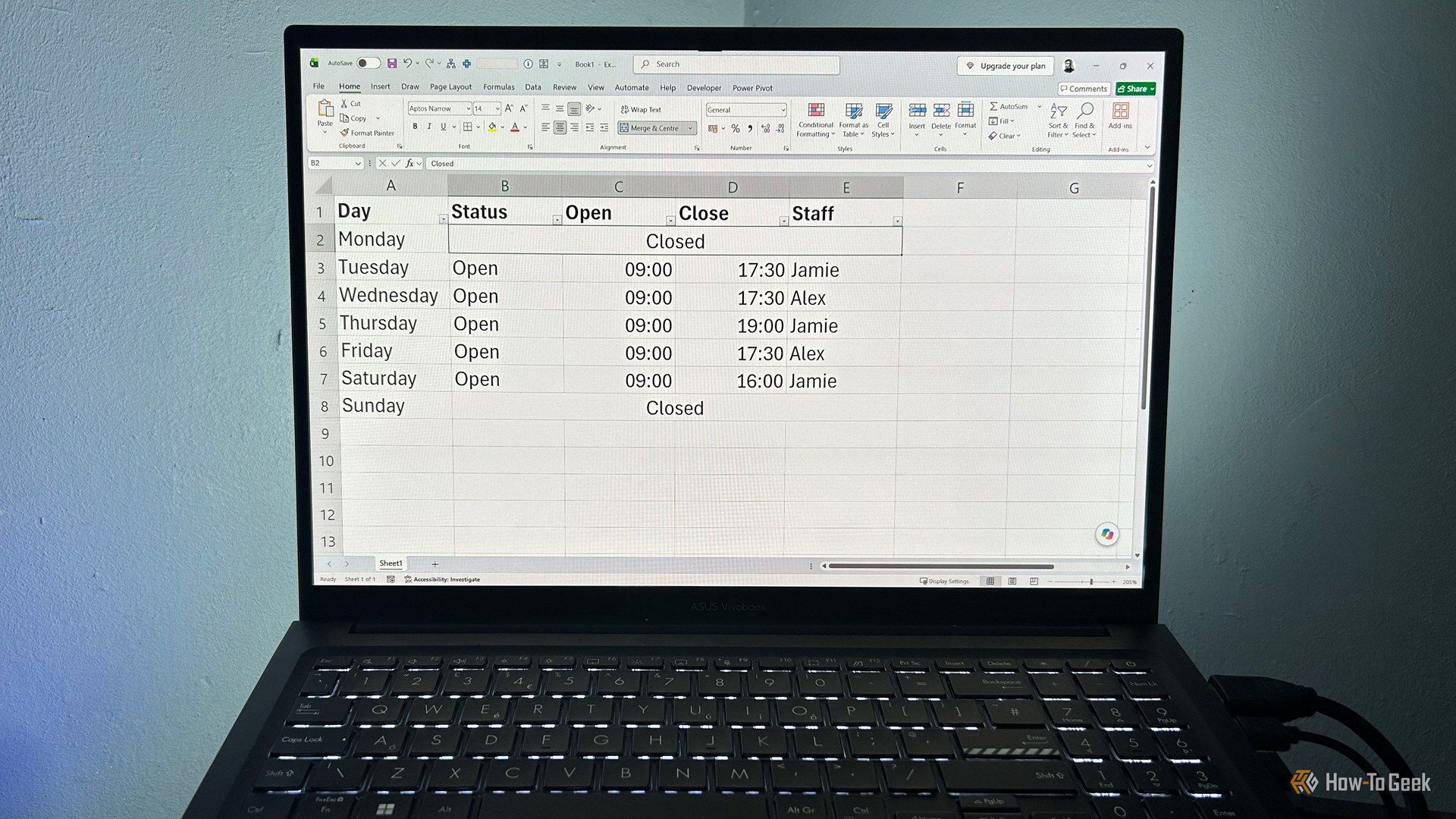
Ditch Merge & Center: The Better Way to Align Text in Excel
Learn to use Excel's "Center Across Selection" to align text across cells without merging, avoiding common data manipulation issues. This guide provides steps to utilize this newly accessible feature and add it to your Quick Access Toolbar.

Ars Technica's Rocket Report: Your Essential Space Industry Briefing
Quick Verdict Ars Technica's Rocket Report, presented by veteran space reporter Stephen Clark, offers an invaluable and meticulously organized weekly (or similar frequency, implied by "Edition 9.15") digest of the most

Apple iPhone Duo: A Daring Debut with Notable Compromises
Apple's highly anticipated iPhone Duo, priced at $2,000, has gone on pre-order. While hailed as "Apple's most exciting device in a decade" for its innovative foldable design and immersive display, it comes with significant drawbacks like the absence of FaceID and a premium camera.
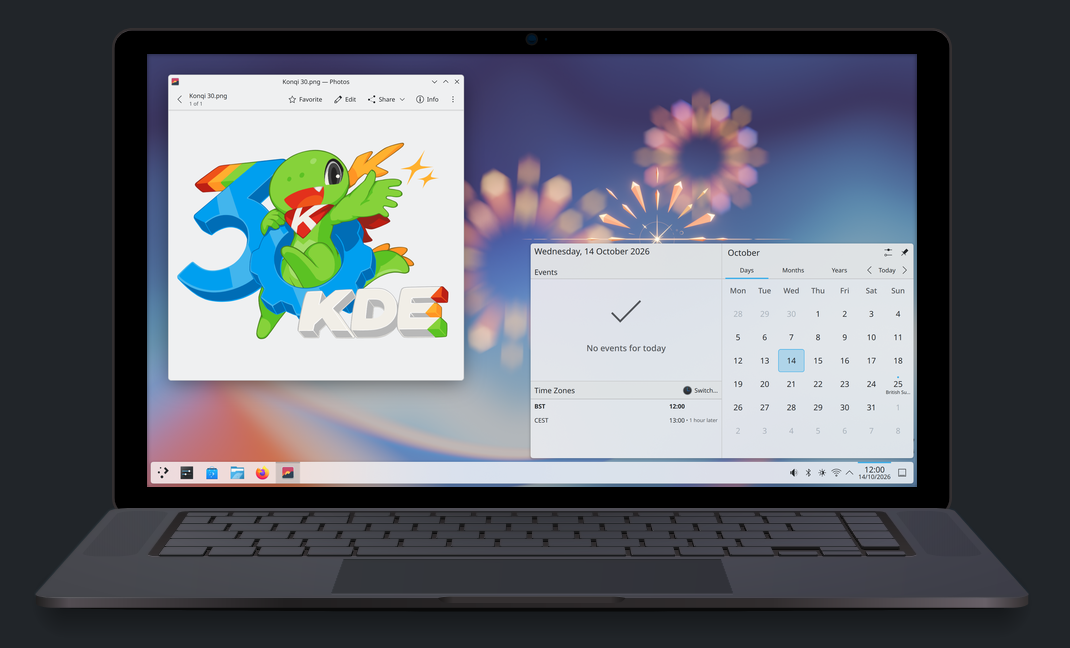
KDE Plasma 6.8: A Future-Focused 30th Anniversary Update
Quick Verdict KDE Plasma 6.8, arriving as the "30th Anniversary Edition," is a pivotal release that decisively pushes the desktop environment into the future. With a definitive farewell to native X11 sessions and a