
CAR T Cell Therapy: A Revolutionary Path for Autoimmune Disease
CAR T cell therapy, a revolutionary cancer treatment, is showing transformative potential for severe autoimmune diseases. This review covers its mechanism, promising patient outcomes, significant acute and long-term risks, and high costs, alongside efforts to make it safer and more accessible.
CAR T Cell Therapy: A Revolutionary Path for Autoimmune Disease
Verdict: Potentially transformative for severe autoimmune conditions, CAR T cell therapy offers a revolutionary "immune system reset" with striking early results, but comes with significant costs, acute risks, and long-term uncertainties that require careful consideration.
Imagine a world where debilitating autoimmune diseases like multiple sclerosis or lupus could be put into remission, not with lifelong medication, but with a single, intensive treatment that fundamentally resets your immune system. That's the ambitious promise of CAR T cell therapy, a treatment originally developed to combat aggressive cancers, now showing "game-changer" potential for a broad spectrum of autoimmune conditions. While still largely in clinical trials, the early outcomes are generating immense hope, though they come with a hefty price tag and a distinct set of risks.
Understanding the 'Immune Reset': How CAR T Works
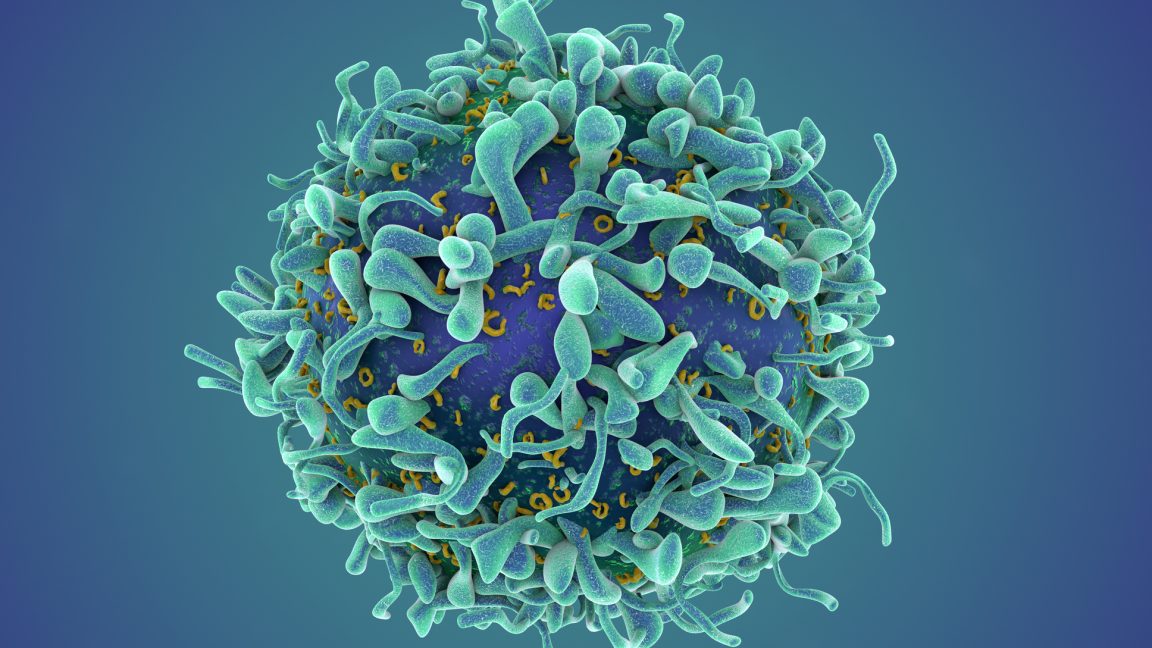
At its core, CAR T cell therapy leverages the body's own immune system, specifically T cells, to target and destroy problematic cells. In the context of cancer, these T cells are engineered to hunt down and eliminate malignant cells. For autoimmune diseases, the focus shifts to B cells – immune cells that, while normally producing protective antibodies, can mistakenly turn against the body's own tissues, driving many autoimmune conditions.
The process is intricate and personalized. First, a patient's own T cells are collected. In a laboratory, these T cells are genetically modified to express a "chimeric antigen receptor" (CAR) on their surface. This CAR is designed to recognize a specific molecule found on B cells. Once engineered, these new CAR T cells are grown in large numbers and then reinfused back into the patient. The reprogrammed T cells then act as precision guided missiles, seeking out and destroying the B cells responsible for the autoimmune attack. The goal is to essentially wipe the slate clean, allowing the immune system to regenerate without the problematic B cells.
The concept has proven remarkably successful in certain blood cancers, leading to long-term remission for many patients since the first FDA approval in 2017. This success prompted researchers to explore its application for autoimmune diseases, reasoning that if it could eradicate cancerous B cells, it could also eliminate the misbehaving B cells in autoimmune disorders. Early trials, such as one involving a woman with lupus in 2021, have yielded promising results, paving the way for hundreds more studies currently underway for conditions ranging from Graves’ disease to vasculitis.
Striking Early Outcomes and Patient Experiences
The most compelling evidence for CAR T's potential comes from the patients themselves. Jan Janisch-Hanzlik, at 49, found her multiple sclerosis severely impacting her life, forcing her to consider a wheelchair. After receiving CAR T therapy in 2025, she experienced significant improvements. Within months, her double vision corrected, her dependence on a cane diminished, and her need for daily three-hour naps disappeared. While some symptoms persist, her quality of life has dramatically improved, allowing her to enjoy trips and more time with her grandchildren – a key motivator for her participation in the trial.
Similar encouraging results were seen in a trial led by Amanda Piquet for stiff person syndrome, a rare condition with no FDA-approved treatment. Of 26 participants, most could walk faster by 16 weeks post-treatment, and eight no longer needed assistive devices for short distances. Crucially, all 26 patients were able to stop other immunotherapies within four to twelve months, highlighting the potential for CAR T to provide long-lasting relief without continuous medication.
Beyond direct symptom relief, some studies suggest that CAR T may not entirely erase immune memory. Patients treated for autoimmunity have still been able to produce antibodies against previously vaccinated diseases like chicken pox and measles, indicating that some older, protective B cells might remain intact, offering residual protection.
Navigating the Risks and Uncertainties
Despite its revolutionary promise, CAR T cell therapy is far from a simple solution. It involves reprogramming a fundamental part of the immune system, and this carries significant risks and uncertainties that patients and physicians must weigh carefully.
Acute Side Effects
Early CAR T treatments for cancer were associated with life-threatening inflammation, including high fevers, low blood pressure, and neurological issues like confusion. Fortunately, a decade of experience means physicians are now adept at recognizing and managing these acute side effects, which are mostly reversible and typically do not cause long-term damage.
Immunosuppression
To prepare the body for the new CAR T cells, patients typically undergo powerful chemotherapy to reduce their existing immune cell population. This, combined with the intended decimation of B cells, leaves patients temporarily immunosuppressed and vulnerable to infections for up to a year post-treatment. However, this risk is manageable with preventive antibiotics, antivirals, and vaccines. It's also worth noting that many existing autoimmune treatments also involve long-term immune suppression, potentially making the temporary nature of CAR T's immunosuppression an advantage if it leads to sustained remission.
Long-term Toxicities and Secondary Cancers
Perhaps the most significant unknowns are the long-term effects. FDA officials have warned of "unpredictable long-term toxicity" in autoimmune CAR T. In cancer patients, CAR T has been linked to long-term issues like Parkinson's disease. More concerning are cases where the bioengineered T cells themselves have turned malignant, leading to new, T cell-based cancers. While causing a secondary cancer might be an acceptable risk when treating a life-threatening primary cancer, the calculus changes dramatically for autoimmune diseases, which vary widely in severity. Balancing the potential benefits against these difficult-to-quantify future risks remains a major open question.
The 'Sticker Shock' Price Tag
Another significant hurdle is the prohibitive cost. A single CAR T treatment can reach hundreds of thousands of dollars, encompassing hospital stays, cell engineering, and post-treatment care. This makes widespread accessibility a major challenge.
The Future of CAR T: Safer, Smarter, Cheaper
Researchers are actively working on addressing these challenges, developing second- and third-generation CAR T therapies designed to be safer and more accessible.
mRNA-Based CAR T
One promising avenue is mRNA-based CAR T, explored by companies like Cartesian Therapeutics. Instead of inserting long-lasting DNA, this approach uses short-lived mRNA molecules (similar to those in Covid-19 vaccines) to encode the CAR. This means the CAR T cells will only target B cells for as long as the mRNA persists, then lose their engineered abilities. The advantage is a potentially reduced risk of long-term side effects, including secondary cancers, because the genetically modified T cells don't persist indefinitely. A recent trial showed two-thirds of patients with autoimmune diseases improved, with no long-term serious side effects.
Off-the-Shelf and In-Body Modifications
To tackle the exorbitant cost and complexity of personalized cell engineering, scientists are developing "off-the-shelf" CAR T therapies. This involves using healthy donor T cells that can be genetically modified to prevent rejection by the patient's immune system, then used for many patients. Experts estimate a single donor's blood could yield enough CAR T cells for over a thousand patients, leading to substantial cost savings. Janisch-Hanzlik herself received this type of off-the-shelf therapy. Other advancements aim to modify a person's T cells within their own body, eliminating the need for costly and time-consuming lab-based engineering entirely.
Recommendation: A Glimmer of Hope, Proceed with Caution
CAR T cell therapy for autoimmune diseases represents a frontier of medical innovation. For individuals suffering from severe, treatment-resistant autoimmune conditions, the prospect of an "immune reset" and long-term remission is incredibly compelling. The early results are undeniably striking, offering a profound improvement in quality of life for some.
However, it's crucial to understand that this is an experimental therapy with high stakes. The acute side effects are now largely manageable, but the long-term risks, including the potential for secondary cancers, are not yet fully understood. Furthermore, the immense cost makes it inaccessible for most outside of clinical trials. Until further research clarifies the long-term safety profile and more affordable, streamlined versions become widely available, CAR T therapy for autoimmune diseases should be considered a last-resort option for severe cases, ideally within the rigorous framework of a clinical trial. It's a revolutionary technology, but one that demands cautious optimism and continued scientific rigor.
FAQ
Q: What is the main difference between CAR T for cancer and CAR T for autoimmune disease? A: The core technology is the same: engineering a patient's T cells to target specific cells. For cancer, CAR T cells target malignant cells. For autoimmune diseases, they are typically engineered to target and eliminate B cells, which are mistakenly producing antibodies against the body's own tissues.
Q: What are the most significant risks associated with CAR T cell therapy for autoimmune conditions? A: The main risks include acute inflammation (cytokine release syndrome) and temporary immunosuppression, both of which are increasingly manageable. However, the most concerning unknowns are potential unpredictable long-term toxicities, including links to neurological conditions like Parkinson's disease, and the rare but serious risk of the engineered T cells themselves turning malignant and causing a new cancer.
Q: Why is CAR T cell therapy so expensive, and are there efforts to reduce the cost? A: The high cost stems from the personalized nature of the treatment, involving harvesting a patient's cells, complex genetic engineering in a lab, growing the cells, and extensive hospital stays. Researchers are working on "off-the-shelf" versions using healthy donor cells (which could treat many patients from one donor) and techniques to modify T cells directly within the patient's body, both aiming to significantly reduce costs and simplify the process.
Related articles
Android 17 QPR2 Beta 7.1: The Performance Relief You've Been Waiting
Android 17 QPR2 Beta 7.1: Finally Fixing the QPR1 Performance Woes Verdict: Android 17 QPR2 Beta 7.1 is a crucial and highly anticipated software update for Google Pixel users, specifically targeting and resolving the

DJI Solo Video Setups: Smart Choices for Lone Creators
This review delves into DJI's recommended solo video setups, highlighting the Osmo Pocket 3 Creator Combo as a top pick for its integrated camera, gimbal, and mic. It also covers stabilizers like the Osmo Mobile 8 and RS 4, and the DJI Mic Mini series for enhanced audio, providing honest pros, cons, and clear buying advice.

Ditch Merge & Center: The Better Way to Align Text in Excel
Learn to use Excel's "Center Across Selection" to align text across cells without merging, avoiding common data manipulation issues. This guide provides steps to utilize this newly accessible feature and add it to your Quick Access Toolbar.

Ars Technica's Rocket Report: Your Essential Space Industry Briefing
Quick Verdict Ars Technica's Rocket Report, presented by veteran space reporter Stephen Clark, offers an invaluable and meticulously organized weekly (or similar frequency, implied by "Edition 9.15") digest of the most

Apple iPhone Duo: A Daring Debut with Notable Compromises
Apple's highly anticipated iPhone Duo, priced at $2,000, has gone on pre-order. While hailed as "Apple's most exciting device in a decade" for its innovative foldable design and immersive display, it comes with significant drawbacks like the absence of FaceID and a premium camera.

KDE Plasma 6.8: A Future-Focused 30th Anniversary Update
Quick Verdict KDE Plasma 6.8, arriving as the "30th Anniversary Edition," is a pivotal release that decisively pushes the desktop environment into the future. With a definitive farewell to native X11 sessions and a