
Ariane 6 Rocket: Operational Success, Financial Burden
Verdict The European Ariane 6 rocket, while demonstrating commendable operational reliability and a smooth debut compared to some competitors, faces a significant challenge: its exorbitant cost. The recent cancellation
Verdict
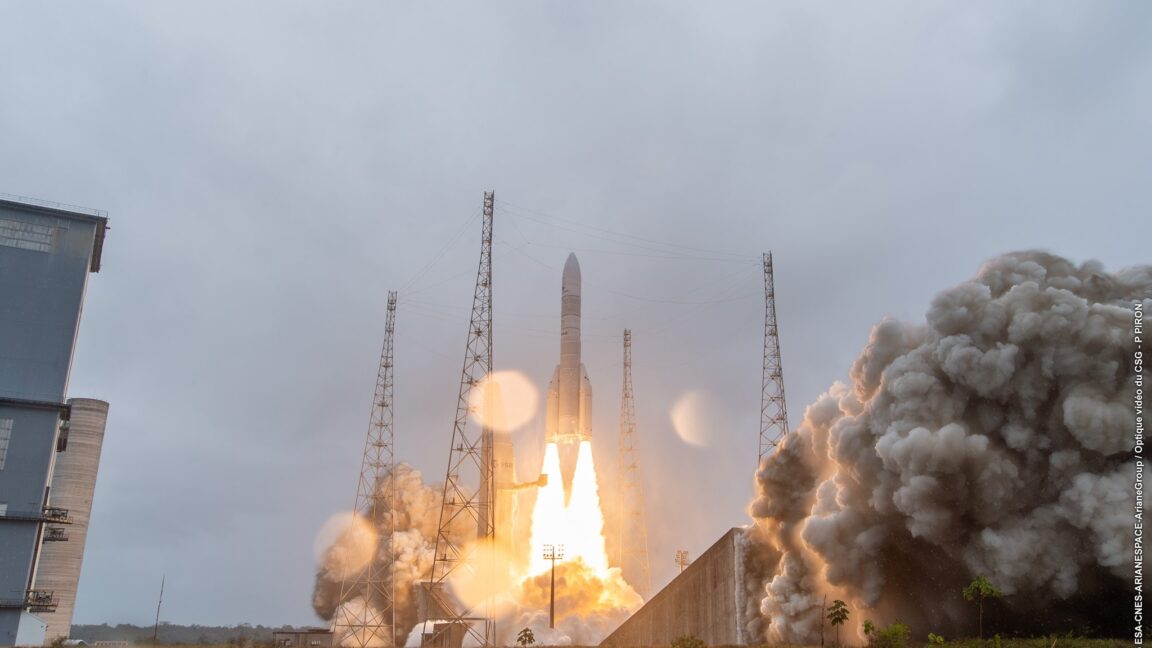
The European Ariane 6 rocket, while demonstrating commendable operational reliability and a smooth debut compared to some competitors, faces a significant challenge: its exorbitant cost. The recent cancellation of crucial "Block 3" upgrades, including the lightweight ICARUS upper stage, underscores a growing impatience among European ministers with the program's financial sustainability. This decision casts a long shadow over Europe's long-term independent access to space, highlighting an urgent need for a more economically viable, potentially reusable, successor.
Unpacking the Ariane 6 Program
The Ariane 6 program represents Europe's commitment to independent space access, particularly critical in a geopolitical landscape that has seen Europe pivot away from Russian launch services. With eight successful missions since its debut, all safely reaching orbit, the rocket has proven its technical prowess. It boasts a substantial capacity, capable of delivering over 20 metric tons to low-Earth orbit, making it a powerful workhorse for European and international satellite deployments.
From an engineering perspective, the Ariane 6 has enjoyed a remarkably smooth rollout, a stark contrast to the notable challenges faced by comparable American ventures like Blue Origin's New Glenn and United Launch Alliance's Vulcan rockets. This operational stability is a testament to the meticulous planning and execution by European rocket scientists and engineers, providing a reliable platform for critical missions.
However, the technical success story is overshadowed by a less favorable financial narrative. While Arianespace, the rocket's operator, has not publicly disclosed the exact cost of an Ariane 6 launch, industry estimates place it in the range of 80 million to 100 million euros per flight. This figure becomes particularly concerning when considering the significant public investment. Europe initially invested approximately 3.6 billion euros in the rocket's development and its launch facility in French Guiana. More critically, European governments continue to subsidize each launch with an additional 32 million to 38 million euros, assuming a cadence of nine flights per year. When development costs are amortized, the total taxpayer investment effectively exceeds 100 million euros per launch before any customer payment is factored in.
Design, Build, and Operational Experience
The Ariane 6 is fundamentally an expendable rocket, a design choice that, while offering simplicity in operations, directly contributes to its high per-launch cost in an era increasingly dominated by reusable launch systems. Its "Block 3" upgrades, now shelved, aimed to introduce innovations like the lightweight ICARUS upper stage with carbon-composite structures. The cancellation of these forward-looking enhancements not only signals financial constraints but also has tangible implications for the European Space Agency's scientific ambitions, potentially impacting missions such as a planned probe to Saturn's moon Enceladus.
For its users, which include European institutions and commercial clients like Amazon (contracted for 18 launches for its Leo constellation, with three already flown), the Ariane 6 offers a proven, reliable service. This reliability, particularly in a market with growing demand and capacity shortages, is a significant advantage. The rocket has successfully provided Europe with assured access to space, freeing it from external dependencies. However, the heavy subsidies required to make commercial flights economically attractive for customers mean Europe is likely operating these missions at a financial loss.
Pros and Cons
Pros:
- Proven Reliability: All eight initial missions have been successful, providing reliable access to orbit.
- High Capacity: Capable of launching over 20 metric tons to LEO, suitable for large payloads.
- Smooth Rollout: Fewer initial issues compared to contemporary US launch vehicles like New Glenn and Vulcan.
- Strategic Autonomy: Ensures Europe's independent access to space, reducing reliance on foreign providers.
- Growing Demand: Positioned to meet increasing global demand for launch services, with potential for increased flight cadence.
Cons:
- Exorbitant Cost: Extremely high per-launch cost, estimated at 80-100 million euros, plus substantial ongoing government subsidies.
- Lack of Reusability: An expendable design inherently struggles to compete on cost with reusable rockets.
- Cancelled Upgrades: The shelving of "Block 3" upgrades, including the ICARUS upper stage, limits future performance enhancements and impacts scientific missions.
- Financial Burden: Significant taxpayer investment (over 100 million euros per launch including amortized development and subsidies) makes commercial viability challenging.
- Uncertain Future: Ministers face a difficult decision on scaling up production for a costly, expendable system versus investing in next-generation reusable technology.
Comparison with Alternatives
While the Ariane 6 demonstrated a smoother initial operational phase than its developmental contemporaries like Blue Origin's New Glenn and United Launch Alliance's Vulcan, the true comparison lies in its long-term economic competitiveness. In an increasingly dynamic space industry, the Ariane 6's expendable nature stands in stark contrast to the reusable rockets pioneered by companies like SpaceX and, more recently, by emerging players in China. These reusable platforms offer significantly lower launch costs, fundamentally reshaping the global market.
European ministers are now at a critical juncture, having to weigh the immediate need for assured access provided by Ariane 6 against the long-term financial unsustainability of an expendable system. The discussion around potentially increasing the Ariane 6's launch cadence to 12, 15, or even 20 flights annually would require further substantial investments in manufacturing infrastructure. This raises the fundamental question: is it prudent to pour more money into scaling up an inherently expensive expendable platform, or would those funds be better allocated to developing a next-generation Ariane rocket that incorporates partial reusability, allowing it to genuinely compete with global leaders?
Recommendation
The Ariane 6 program is a necessary stopgap, providing Europe with critical, reliable access to space at a time when geopolitical factors demand it. Its operational success is undeniable. However, the decision to cancel planned upgrades due to cost, coupled with the ongoing heavy reliance on taxpayer subsidies, signals that the Ariane 6 is not a sustainable long-term solution. For European policymakers and taxpayers, the recommendation is clear: continue to utilize Ariane 6 for essential missions, leveraging its proven reliability, but pivot strategic investments heavily towards developing a truly competitive, reusable next-generation launch vehicle. Further significant investment in scaling up the production of the current expendable Ariane 6 should be approached with extreme caution, as it risks perpetuating an economically unviable model in a rapidly evolving global market. The long-term future of Europe's space ambitions hinges on embracing cost-effective innovation, not simply maintaining existing capabilities.
FAQ
Q: Why were the planned Ariane 6 upgrades, like the "Block 3" with ICARUS, canceled?
A: The upgrades were shelved because European ministers, who provide the funding, expressed growing impatience with the rocket's high costs. Investing in these enhancements was deemed too expensive given the current financial burden of the Ariane 6 program.
Q: Is the Ariane 6 rocket considered a success despite the financial concerns and cancelled upgrades?
A: Operationally, yes. The Ariane 6 has had a largely successful debut, completing eight missions safely and providing Europe with reliable, independent access to orbit. However, its success is significantly clouded by its high development and per-launch costs, which require substantial ongoing government subsidies.
Q: What are the long-term implications of these decisions for Europe's independent access to space?
A: The cancellation of upgrades and the high costs highlight a critical juncture for European space access. While Ariane 6 provides current autonomy, its economic model is unsustainable in the long run, especially compared to reusable alternatives. The decision by ministers later this year on whether to scale up Ariane 6 production will reveal if Europe prioritizes short-term capacity with high subsidies or commits to developing a more cost-competitive, next-generation reusable rocket for enduring space independence.
Related articles
Android 17 QPR2 Beta 7.1: The Performance Relief You've Been Waiting
Android 17 QPR2 Beta 7.1: Finally Fixing the QPR1 Performance Woes Verdict: Android 17 QPR2 Beta 7.1 is a crucial and highly anticipated software update for Google Pixel users, specifically targeting and resolving the

DJI Solo Video Setups: Smart Choices for Lone Creators
This review delves into DJI's recommended solo video setups, highlighting the Osmo Pocket 3 Creator Combo as a top pick for its integrated camera, gimbal, and mic. It also covers stabilizers like the Osmo Mobile 8 and RS 4, and the DJI Mic Mini series for enhanced audio, providing honest pros, cons, and clear buying advice.
Ars Technica's Rocket Report: Your Essential Space Industry Briefing
Quick Verdict Ars Technica's Rocket Report, presented by veteran space reporter Stephen Clark, offers an invaluable and meticulously organized weekly (or similar frequency, implied by "Edition 9.15") digest of the most
Apple iPhone Duo: A Daring Debut with Notable Compromises
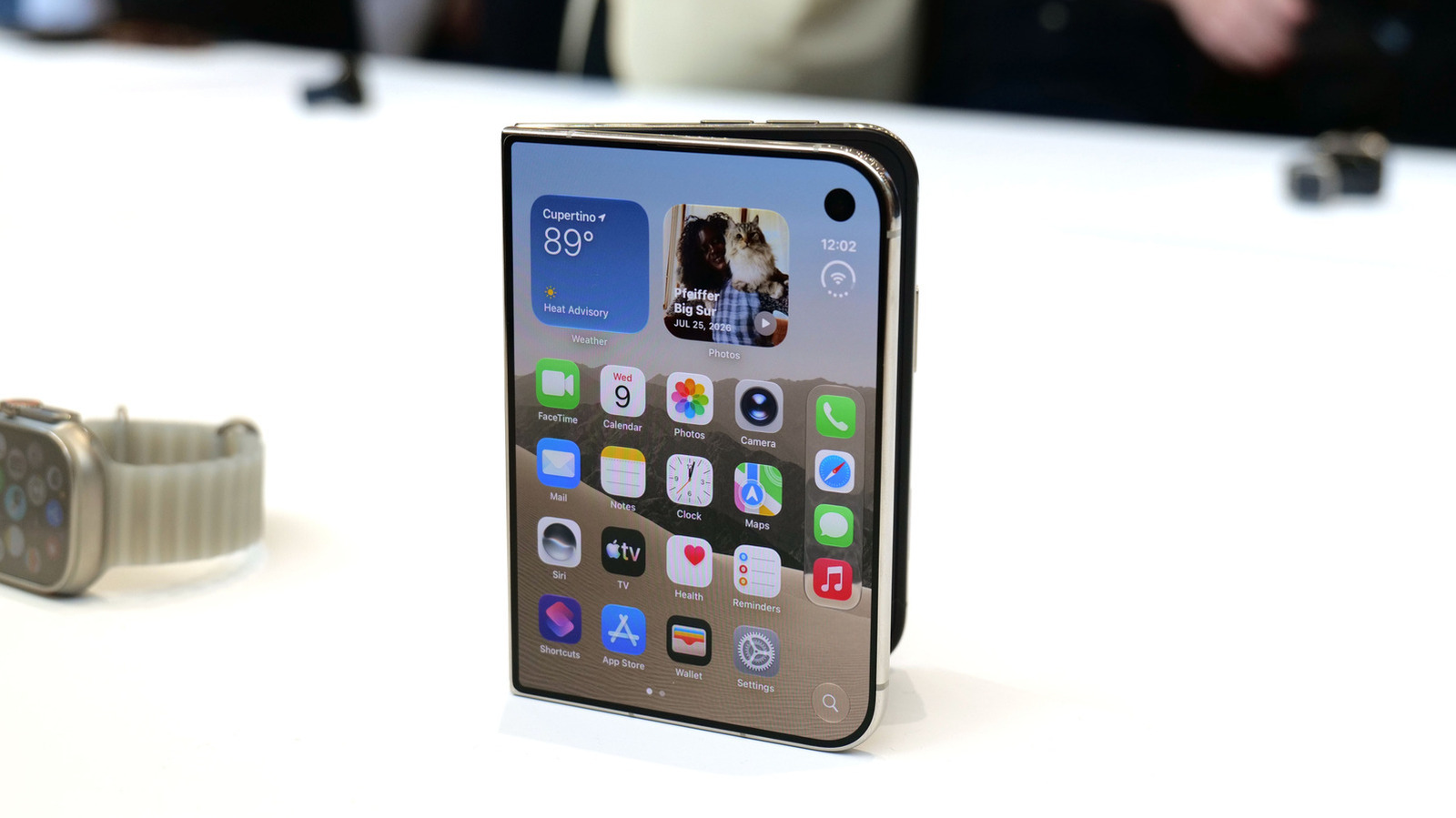
Apple's highly anticipated iPhone Duo, priced at $2,000, has gone on pre-order. While hailed as "Apple's most exciting device in a decade" for its innovative foldable design and immersive display, it comes with significant drawbacks like the absence of FaceID and a premium camera.
KDE Plasma 6.8: A Future-Focused 30th Anniversary Update
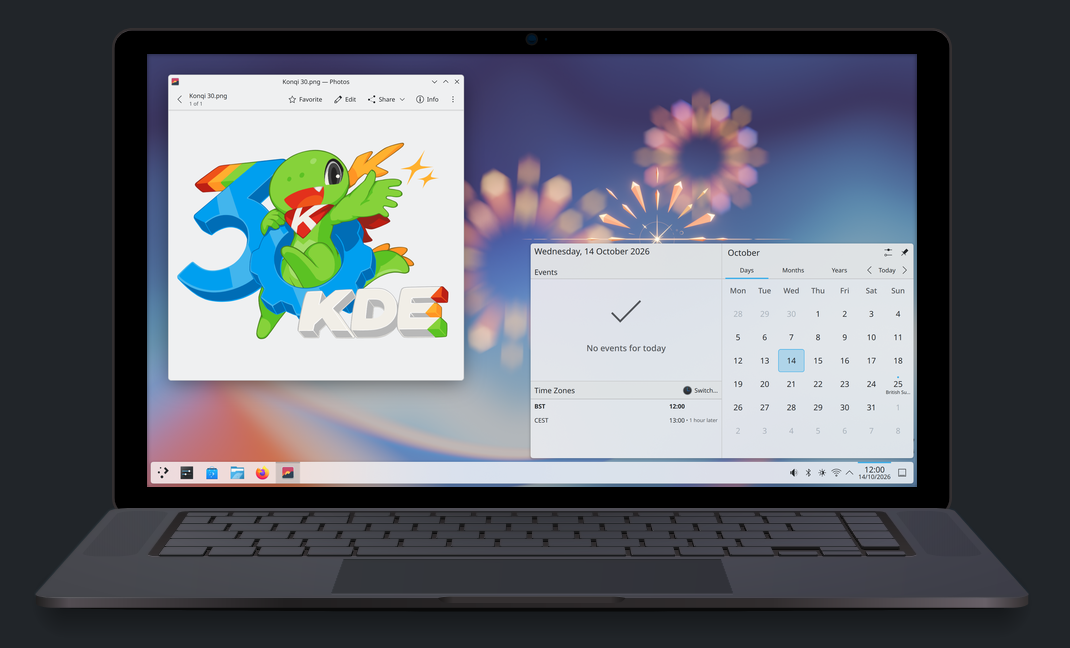
Quick Verdict KDE Plasma 6.8, arriving as the "30th Anniversary Edition," is a pivotal release that decisively pushes the desktop environment into the future. With a definitive farewell to native X11 sessions and a
Galaxy Watch One UI 9 Beta: Promising Progress, But Patience Needed
Galaxy Watch 8, Watch Ultra, and Watch 7 are receiving a new One UI 9 Watch beta build with bug fixes and a security patch. Active development signals progress, but a stable release date remains elusive.