
Anker SOLIX C1000 Gen 2 Review: Portable Power Perfection
The Anker SOLIX C1000 Gen 2 delivers an impressive balance of power and portability, making it a top pick for remote work, camping, and even home backup. This detailed review explores its features, performance, and value.

The Anker SOLIX C1000 Gen 2 has quickly become the go-to portable power station for anyone needing robust power on the move, whether for remote work, extended camping trips, or even as a home backup. Earning an Editor's Choice award, this unit strikes an exceptional balance between high output capabilities and genuine portability. With a 1,024Wh capacity and a formidable 2,000W output, it's capable of powering almost any electronic device, all while remaining surprisingly manageable to carry. If you're seeking a versatile and powerful companion for your adventures or daily tasks, the C1000 Gen 2 warrants a serious look.
Designed for Life on the Go
Mobility is where the Anker SOLIX C1000 Gen 2 truly shines. Measuring 15.1 x 8.2 x 9.6 inches and weighing 24.9 pounds, it's remarkably easy to transport. The reviewer notes the ability to carry it with one hand for several blocks without strain, comparing its weight to about three gallons of water. Its dual handles further facilitate carrying, either with both hands or by two people, making it practical for small hikes to a campsite. While smaller, lighter power stations exist, they often compromise significantly on power output, rendering them unsuitable for anything beyond basic device charging. The C1000 Gen 2 avoids this pitfall, providing substantial power in a genuinely portable form factor.
Unpacking the Power: Capacity and Output
Beneath its portable exterior, the Anker SOLIX C1000 Gen 2 houses serious power. Its 1,024Wh battery capacity combined with a 2,000W output (and supporting 3,000W peaks) means it can handle a wide array of devices. For context, typical high-wattage home appliances like kettles, coffee makers, microwaves, or air fryers generally draw between 1,000W and 1,800W. Even a portable air conditioner, consuming 800W-1200W, or heavy-duty tools under 1,000W, can be powered. While such appliances would quickly deplete the battery, the capability is there when needed.
In more common scenarios, the 1,024Wh battery offers impressive longevity. A MacBook Pro with a 72.4Wh battery could theoretically be charged over a dozen times, while an average smartphone could receive approximately 50 full charges. Real-world usage confirmed minimal battery drain (1-2%) for smartphone charging. The unit also features a 10ms Uninterruptible Power Supply (UPS) function, allowing essential home devices like a fridge, modem, or router to remain powered during an outage without interruption.
Real-World Utility: Remote Work, Camping, and More
The versatility of the Anker SOLIX C1000 Gen 2 became apparent through various real-world applications. For remote work, it proved to be an indispensable companion. When working away from home, the unit easily powered a laptop, tablet, and smartphone for multiple days, eliminating concerns about finding available outlets in coffee shops or other locations. Recharging the unit is also flexible: it can be fully charged via a standard AC port in under an hour (utilizing its 1,600W input when UltraFast Charging is enabled in the app and using the proprietary cable), through a car socket at 100W for topping off during drives, or with a solar panel supporting up to 600W input, achieving a full charge in about 1.8 hours under optimal sunlight.
During a camping trip to Sequoia National Park, while the primary goal was to disconnect, the C1000 Gen 2 still played a crucial role. It kept smartphones charged and, more notably, continuously powered an Anker SOLIX Everfrost 2 40L electric smart cooler, ensuring food and drinks remained chilled throughout the weekend. The unit's battery never dropped below 35%, even while maintaining the cooler's charge and occasionally topping it off from the car socket during drives.
Perhaps one of the most unexpected demonstrations of its capability was powering a beach serenade. The C1000 Gen 2 effortlessly ran two small amplifiers, a MIDI controller, and a full electric keyboard for 45 minutes, concluding the performance with an impressive 84% battery remaining, indicating it could have sustained the setup for many more hours.
Connectivity and Minor Criticisms
The Anker SOLIX C1000 Gen 2 offers a robust selection of output ports. It boasts five AC outlets, which can collectively deliver the maximum 2,000W output, making it ideal for traditional appliances. Additionally, it includes three USB-C ports (two at 140W and one at 15W), a 12W USB-A port, and a 120W car port. While the five AC outlets are a strong positive, the reviewer noted that only four USB ports can sometimes be limiting, especially when powering a smartphone, tablet, laptop, and a hotspot simultaneously, or when sharing with others.
A couple of minor complaints also emerged. Despite its advanced features and Anker's own practices, the C1000 Gen 2 lacks an integrated ambient light, a feature found even on smaller, more affordable Anker models like the SOLIX C300. Furthermore, the unit does not offer battery capacity expansion. While this design choice prioritizes portability, it's a consideration for users who might desire increased longevity for fixed setups. It's also important to remember that achieving the fastest 1,600W AC charging speeds requires the included stock cable and enabling UltraFast Charging via the companion app; otherwise, charging is capped at 1,200W.
Anker SOLIX C1000 Gen 2 vs. Alternatives
Previously, the Ampace Andes 1500 was considered a top choice for camping power stations. However, the Anker SOLIX C1000 Gen 2 has emerged as a compelling alternative, especially when portability and value are prioritized. Below is a comparison of these two robust power stations:
| Feature | Anker SOLIX C1000 Gen 2 | Ampace Andes 1500 |
|---|---|---|
| MSRP | $799.99 | $1,399 |
| Capacity | 1,024Wh | 1,462Wh |
| Output | 2,000W (3,000W peak) | 2,400W (3,600W peak) |
| Dimensions | 15.1 x 8.2 x 9.6 inches | 17.2 x 7.7 x 13.2 inches |
| Weight | 24.9 lbs | 36.8 lbs |
| AC Outlets | 5 | 4 |
| USB Ports | 4 | More (unspecified) |
| Battery Expansion | No | Not mentioned |
| Lowest Sale Price Seen | $349 | $499 |
While the Ampace Andes 1500 offers higher capacity and output, its larger size and significantly greater weight (36.8 lbs) make it less ideal for frequent mobility. The Anker SOLIX C1000 Gen 2, at nearly 12 pounds lighter and with a more compact footprint, delivers sufficient power for most users in a much more portable package. Critically, its MSRP is considerably lower, and it has been observed at an even more attractive sale price point.
Final Verdict: Should You Buy It?
The Anker SOLIX C1000 Gen 2 stands out as an excellent portable power station. It successfully delivers ample power in a compact and highly portable design, proving sufficient for a wide range of uses from remote work to extensive camping trips and even temporary home backup during outages. While the limited number of USB ports and the absence of an ambient light are minor drawbacks, they are not deal-breakers given the unit's overall performance, versatility, and competitive pricing, especially when on sale. If you're looking for a dependable, powerful, and genuinely portable power solution for your nomadic lifestyle or emergency preparedness, the Anker SOLIX C1000 Gen 2 comes highly recommended.
FAQ
Q: How quickly can the Anker SOLIX C1000 Gen 2 be recharged? A: When using the included stock cable and with UltraFast Charging enabled in the app, the unit can be fully recharged via an AC outlet in under an hour thanks to its 1,600W input support. Charging via a car socket (100W) or a solar panel (up to 600W) will take longer, with solar charging taking about 1.8 hours in optimal sunlight.
Q: Is the Anker SOLIX C1000 Gen 2 suitable for home backup during a power outage? A: Yes, it is. While primarily designed for portability, its 1,024Wh capacity and 2,000W output are sufficient to run most essential home appliances. It also features a 10ms UPS function, ensuring uninterrupted power for devices like a small fridge, modem, or router during an outage.
Q: Can I expand the battery capacity of the Anker SOLIX C1000 Gen 2? A: No, the Anker SOLIX C1000 Gen 2 does not offer an option for battery capacity expansion. This design choice prioritizes its compact size and portability, making it a dedicated all-in-one unit rather than a modular system.
Related articles
Android 17 QPR2 Beta 7.1: The Performance Relief You've Been Waiting
Android 17 QPR2 Beta 7.1: Finally Fixing the QPR1 Performance Woes Verdict: Android 17 QPR2 Beta 7.1 is a crucial and highly anticipated software update for Google Pixel users, specifically targeting and resolving the

DJI Solo Video Setups: Smart Choices for Lone Creators
This review delves into DJI's recommended solo video setups, highlighting the Osmo Pocket 3 Creator Combo as a top pick for its integrated camera, gimbal, and mic. It also covers stabilizers like the Osmo Mobile 8 and RS 4, and the DJI Mic Mini series for enhanced audio, providing honest pros, cons, and clear buying advice.

Ars Technica's Rocket Report: Your Essential Space Industry Briefing
Quick Verdict Ars Technica's Rocket Report, presented by veteran space reporter Stephen Clark, offers an invaluable and meticulously organized weekly (or similar frequency, implied by "Edition 9.15") digest of the most

Apple iPhone Duo: A Daring Debut with Notable Compromises
Apple's highly anticipated iPhone Duo, priced at $2,000, has gone on pre-order. While hailed as "Apple's most exciting device in a decade" for its innovative foldable design and immersive display, it comes with significant drawbacks like the absence of FaceID and a premium camera.

Amazon Prime Video Launches AI-Powered Prime 360 for NBA Coverage
Amazon Prime Video is elevating its NBA coverage with the introduction of Prime 360, an AI-powered replay system offering immersive, 'fly through' views of the action. Kicking off its second season, Prime Video also adds Yahoo fantasy integration and gains exclusive Eastern Conference Finals rights, expanding its tech-driven sports broadcast. The new features aim to deliver a unique and interactive viewing experience for basketball fans.
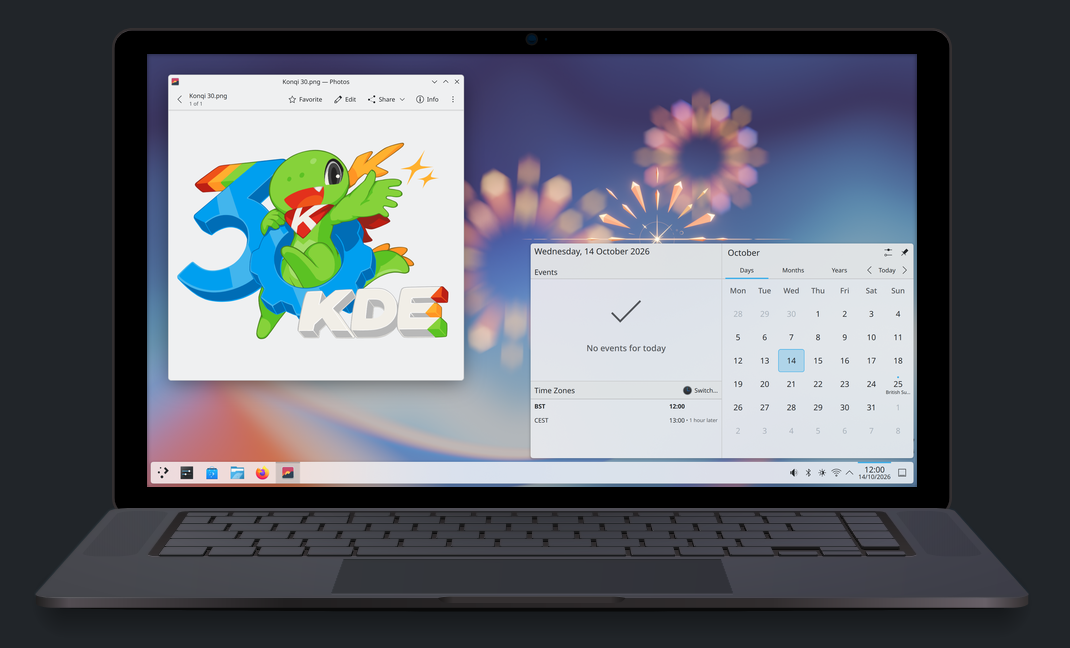
KDE Plasma 6.8: A Future-Focused 30th Anniversary Update
Quick Verdict KDE Plasma 6.8, arriving as the "30th Anniversary Edition," is a pivotal release that decisively pushes the desktop environment into the future. With a definitive farewell to native X11 sessions and a