
American Airlines Starlink Wi-Fi: High Hopes for In-Flight
The Verdict: A Glimmer of High-Speed Hope American Airlines' commitment to integrate Starlink Wi-Fi into its fleet is undeniably exciting news for weary travelers accustomed to subpar in-flight internet. While specific

The Verdict: A Glimmer of High-Speed Hope
American Airlines' commitment to integrate Starlink Wi-Fi into its fleet is undeniably exciting news for weary travelers accustomed to subpar in-flight internet. While specific details regarding pricing, exact rollout schedules beyond a 2027 installation plan, and performance guarantees are currently elusive from the provided information, the potential implications are significant. This move suggests a bold step towards transforming the often-frustrating experience of staying connected at 30,000 feet. The prospect of genuinely fast, low-latency internet on American Airlines flights could redefine productivity and entertainment for passengers, placing American at the forefront of in-flight connectivity, provided the implementation lives up to Starlink's reputation.
A Fresh Connection: Why This Matters
The landscape of in-flight internet has long been a source of exasperation for many. From sluggish speeds that struggle with basic email to exorbitant costs for unreliable connections, staying productive or entertained during a flight has been more of a luxury than a given. American Airlines' decision to partner with Starlink, a service that CNET itself recognizes with a dedicated 'Starlink Internet review' section, signals a potential paradigm shift. It’s a clear acknowledgment that existing solutions often fall short and that a new approach is needed to meet the demands of modern travelers.
The Starlink Advantage: A Technological Overview
Starlink distinguishes itself from traditional satellite internet providers through its vast constellation of low-Earth orbit (LEO) satellites. Unlike geostationary satellites that operate much further from Earth, LEO satellites are closer, dramatically reducing the signal's travel distance. This fundamental difference translates to two critical benefits for users: significantly higher speeds and, perhaps more importantly for interactive applications, substantially lower latency. In a typical home internet review, these are the hallmarks that define Starlink's performance. When applied to an airline context, these characteristics promise an internet experience akin to what one might find on the ground, a stark contrast to the often-lagging connections currently prevalent in the skies.
American Airlines' Vision: Connectivity in the Clouds
American Airlines' announcement to adopt Starlink represents a strategic investment in passenger experience. While the specific details of the agreement remain undisclosed in the provided content, the mention of american-airlines-plans-starlink-installations-2027 in a CNET URL fragment suggests that initial installations are targeted for 2027. This timeline indicates a methodical, phased rollout, allowing for careful integration and testing across American’s diverse fleet. For an airline of American's scale, such a transition is a complex undertaking, requiring specialized aviation-grade hardware and meticulous certification processes. The commitment to such a cutting-edge technology underscores American’s intent to offer a premium connectivity experience.
What Travelers Can Expect (Potentially)
Should Starlink's in-flight performance mirror its terrestrial capabilities, American Airlines passengers could anticipate a dramatically enhanced user experience. Imagine streaming high-definition video without buffering, participating in video calls with minimal lag, or collaborating on cloud-based documents seamlessly – all while cruising at altitude. This level of connectivity could transform long-haul flights from periods of digital disconnect into productive extensions of the workday or immersive entertainment hubs. The ability to upload and download large files, browse content-rich websites, and engage in real-time gaming are all within the realm of possibility that Starlink's technology promises.
Navigating the Challenges Ahead
While the outlook is overwhelmingly positive, the implementation of Starlink on American Airlines flights will undoubtedly face its share of challenges. The logistical complexity of equipping a vast fleet with new satellite terminals and integrating them into existing aircraft systems is immense. Considerations around antenna design, power consumption, and airworthiness certifications are significant engineering hurdles. Furthermore, the commercial model for passengers — whether the service will be complimentary, offered as a premium add-on, or tiered based on usage — will be critical in shaping its reception. Ensuring consistent service quality across various flight paths, especially over different geographies and during peak usage times with hundreds of devices on a single plane, will be an ongoing operational priority for American Airlines.
A Step Ahead: Comparison to Current In-Flight Wi-Fi
Currently, many airlines rely on older generation geostationary satellite systems or air-to-ground technology. These systems often struggle with bandwidth limitations and high latency, particularly when a large number of passengers attempt to connect simultaneously. The distinction of Starlink lies in its LEO network, which inherently offers a more robust and responsive connection. While the provided source content doesn't offer a direct comparative analysis between American Airlines' future Starlink service and specific alternative providers, the very act of a major airline adopting Starlink implies a perceived superiority over existing options in the market. This shift suggests a move away from the 'good enough' standard towards a truly high-performance internet offering.
Buying Recommendation: Keep an Eye on the Skies
For frequent flyers or those who prioritize staying connected while traveling, American Airlines' adoption of Starlink Wi-Fi is a development worth watching closely. While the definitive user experience and cost structures are yet to be fully revealed, the underlying technology offers a compelling promise. If American Airlines successfully deploys Starlink as planned, it could become a significant differentiator, influencing flight booking decisions for many. For now, the recommendation is one of cautious optimism: prepare for potentially transformative in-flight connectivity, but await the concrete details of the rollout and pricing before making firm judgments or airline loyalty shifts. The skies are about to get a lot more connected.
FAQ
Q: When can I expect Starlink Wi-Fi on American Airlines flights?
A: According to information from the provided CNET URL fragment, American Airlines plans Starlink installations for 2027. The full rollout timeline beyond this initial plan is not specified in the source content.
Q: Will American Airlines' Starlink Wi-Fi be fast enough for streaming and video calls?
A: While specific performance metrics for American Airlines' implementation are not detailed in the source, Starlink's general internet service, as indicated by CNET's coverage of 'Starlink Internet review,' is known for high speeds and low latency. This suggests a strong potential for supporting activities like streaming and video calls, though actual in-flight performance will need to be evaluated upon rollout.
Q: How much will American Airlines charge for Starlink Wi-Fi service?
A: The provided source content does not include any information regarding the pricing structure for American Airlines' Starlink Wi-Fi service. Passengers will need to await official announcements from the airline for details on cost or whether it will be offered complimentarily.
Related articles
Android 17 QPR2 Beta 7.1: The Performance Relief You've Been Waiting
Android 17 QPR2 Beta 7.1: Finally Fixing the QPR1 Performance Woes Verdict: Android 17 QPR2 Beta 7.1 is a crucial and highly anticipated software update for Google Pixel users, specifically targeting and resolving the

DJI Solo Video Setups: Smart Choices for Lone Creators
This review delves into DJI's recommended solo video setups, highlighting the Osmo Pocket 3 Creator Combo as a top pick for its integrated camera, gimbal, and mic. It also covers stabilizers like the Osmo Mobile 8 and RS 4, and the DJI Mic Mini series for enhanced audio, providing honest pros, cons, and clear buying advice.

Ars Technica's Rocket Report: Your Essential Space Industry Briefing
Quick Verdict Ars Technica's Rocket Report, presented by veteran space reporter Stephen Clark, offers an invaluable and meticulously organized weekly (or similar frequency, implied by "Edition 9.15") digest of the most
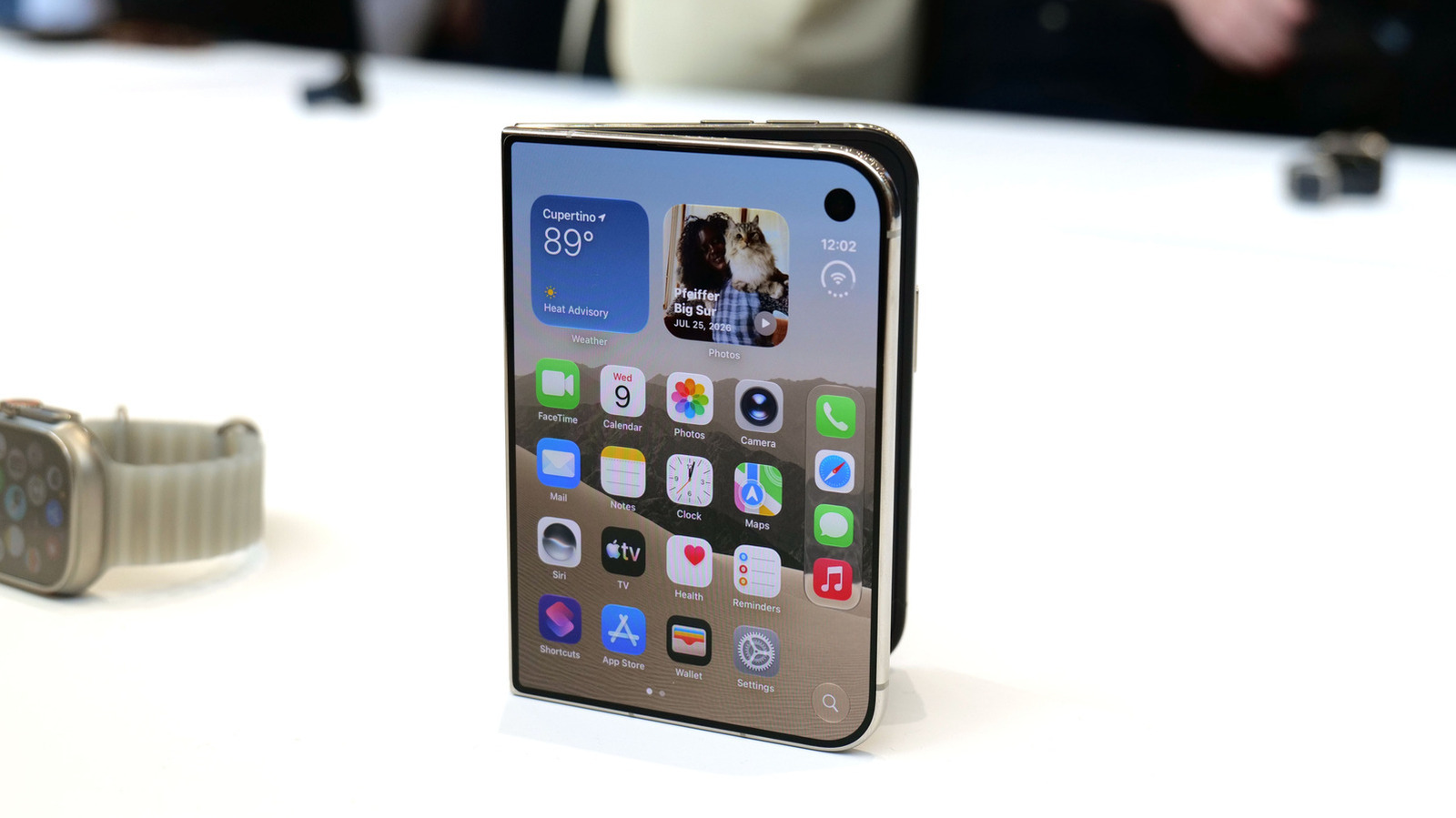
Apple iPhone Duo: A Daring Debut with Notable Compromises
Apple's highly anticipated iPhone Duo, priced at $2,000, has gone on pre-order. While hailed as "Apple's most exciting device in a decade" for its innovative foldable design and immersive display, it comes with significant drawbacks like the absence of FaceID and a premium camera.

Tesla Unveils Thruster-Equipped Roadster, 2028 Production Targeted
Tesla has unveiled its second-generation Roadster, featuring cold-gas thrusters co-developed with SpaceX, enabling it to jump and flip. The electric sports car demonstrated 0-60mph in an astonishing 0.81 seconds, with production targeted for 2028. This highly anticipated reveal also serves as a key recruitment tool for Tesla's ambitious AI and robotics initiatives.
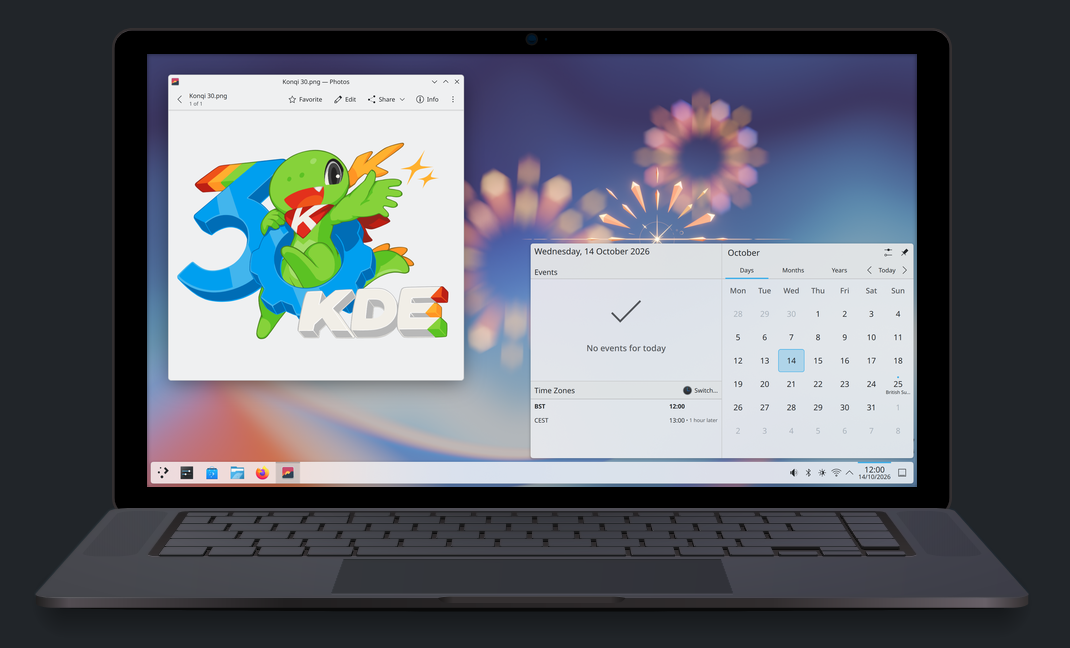
KDE Plasma 6.8: A Future-Focused 30th Anniversary Update
Quick Verdict KDE Plasma 6.8, arriving as the "30th Anniversary Edition," is a pivotal release that decisively pushes the desktop environment into the future. With a definitive farewell to native X11 sessions and a