
Amazon Now Goes National with Rapid 30-Minute Delivery
Amazon has officially launched its "Amazon Now" 30-minute delivery service nationwide, expanding from its initial test markets to dozens of U.S. cities. The move positions Amazon to reach tens of millions of customers

Amazon has officially launched its "Amazon Now" 30-minute delivery service nationwide, expanding from its initial test markets to dozens of U.S. cities. The move positions Amazon to reach tens of millions of customers by the end of the year, intensifying its competition in the burgeoning "sub-same-day" delivery sector.
The service, which provides fresh groceries, household essentials, and other items, leverages Amazon's network of small neighborhood fulfillment hubs and its "Amazon Flex" delivery drivers. This national rollout follows successful pilot programs in Seattle and Philadelphia, which began last fall.
Currently, Amazon Now is widely available in Atlanta, Dallas-Fort Worth, Philadelphia, and Seattle. The company has also announced rapid expansion into major metropolitan areas including Austin, Denver, Houston, Minneapolis, Orlando, Oklahoma City, and Phoenix, with more cities expected to be added soon. Customers can check the Amazon shopping app or visit amazon.com/now to see if the service is available in their vicinity.
Pricing and Competitive Landscape
For Amazon Prime members, the Amazon Now service carries a $3.99 delivery fee. Non-Prime customers will pay a higher fee of $13.99. Additionally, orders totaling under $15 incur a small-order fee: $1.99 for Prime members and $3.99 for non-Prime customers. This updated pricing structure evolved from a flat $1.99 fee at the service's initial launch in December.
Amazon's aggressive expansion into ultra-fast delivery places it in direct competition with established players like Gopuff, DoorDash, and Instacart. Gopuff, for example, offers a 20-minute delivery promise with its Fam20 service, while DoorDash previously experimented with 10-to-15-minute deliveries in New York before discontinuing the program. Walmart also presents a significant challenge, reportedly achieving express delivery times under an hour, with many orders reaching customers in less than 30 minutes, utilizing its existing store infrastructure rather than dedicated micro-hubs.
A Strategic Bet on Reliability
Amazon is not necessarily aiming for the absolute fastest delivery times but is instead emphasizing consistency and reliability. While some competitors promise quicker turnarounds, reliability has often been a weak point in the speedy delivery market. Amazon is betting its extensive logistics expertise will enable it to consistently meet the 30-minute window, a factor it believes will be more appealing to consumers than unreliably faster promises.
This focus on rapid delivery is a key strategic initiative for Amazon CEO Andy Jassy, who highlighted Amazon Now in both his annual shareholder letter and the company's Q1 earnings call. He framed it as an integral part of Amazon's broader commitment to faster fulfillment, which also includes drone deliveries and existing one- and three-hour shipping options.
Learning from Past Ventures
This isn't Amazon's first foray into ultra-fast delivery. The company previously launched "Prime Now" in 2014, a one- and two-hour delivery service that was eventually integrated into the main Amazon app and shut down as a standalone service in 2021. Another initiative, "Amazon Today," which utilized Flex drivers to pick up items from physical stores, was discontinued in late 2024 due to inefficiencies in order fulfillment.
Amazon Now differentiates itself through a modified operational approach. Unlike previous iterations that sometimes struggled with economics or scale, this service relies on dedicated, company-operated fulfillment hubs specifically engineered for rapid processing and dispatch. This tailored infrastructure is crucial to consistently achieving the 30-minute delivery promise.
Early tests by GeekWire in Seattle have shown promising results, with orders arriving in as little as 19 to 23 minutes, well within the advertised 30-minute timeframe.
FAQ
Q: What types of items can be ordered through Amazon Now? A: Amazon Now delivers fresh groceries, household essentials, and a variety of other items from small neighborhood fulfillment hubs directly to customers.
Q: How does Amazon Now differ from previous Amazon rapid delivery services? A: Unlike past ventures like Prime Now or Amazon Today, Amazon Now utilizes dedicated, company-operated fulfillment hubs specifically designed for rapid order processing, which aims to improve efficiency and consistency.
Q: What are the primary cities where Amazon Now is currently available or rapidly expanding? A: Amazon Now is now widely available in Atlanta, Dallas-Fort Worth, Philadelphia, and Seattle, and is rapidly expanding into cities such as Austin, Denver, Houston, Minneapolis, Orlando, Oklahoma City, and Phoenix.
Related articles

Apple Unveils iPhone Duo: Pricey Foldable Sees Soaring Demand
Apple has officially entered the foldable smartphone arena with the long-anticipated launch of the iPhone Duo. Priced starting at a hefty $1,999, the device features a 5.4-inch outer display and a larger 7.6-inch inner

in-depth: Chicago-Area Cops Helped HSI Spy on Minnesota Anti-ICE
Chicago-area law enforcement, including local police and HSI agents, conducted undercover surveillance on Minnesota anti-ICE activists at an April 2, 2022, talk in Chicago. This operation was part of a federal conspiracy probe into 15 Minnesota activists facing felony charges related to immigration enforcement resistance. Civil liberties advocates have condemned the surveillance as a troubling intrusion into protected political activity.

Mark Wahlberg on using AI in film ‘the right way’ and being open to
Actor Mark Wahlberg believes AI has a place in filmmaking if used responsibly for enhancement, not script generation or actor replacement. At TechCrunch Disrupt, he expressed openness to an AI likeness carrying on his legacy, managed by his family, and emphasized storytelling.
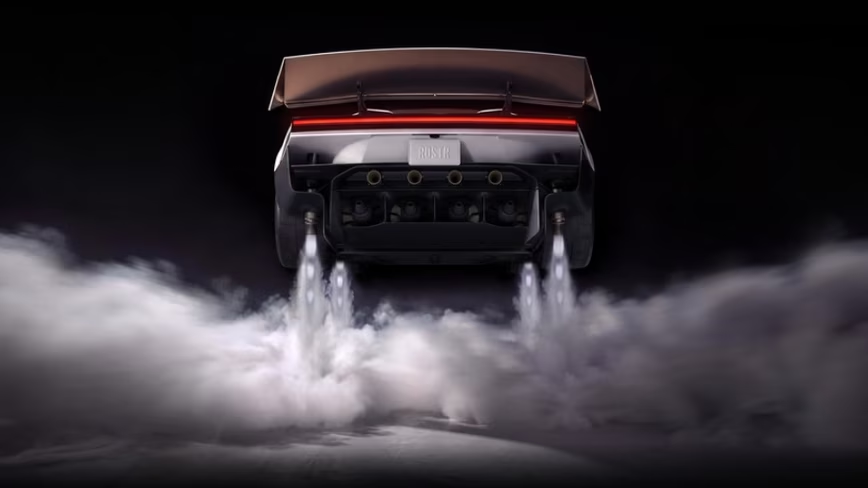
Tesla Unveils Thruster-Equipped Roadster, 2028 Production Targeted
Tesla has unveiled its second-generation Roadster, featuring cold-gas thrusters co-developed with SpaceX, enabling it to jump and flip. The electric sports car demonstrated 0-60mph in an astonishing 0.81 seconds, with production targeted for 2028. This highly anticipated reveal also serves as a key recruitment tool for Tesla's ambitious AI and robotics initiatives.
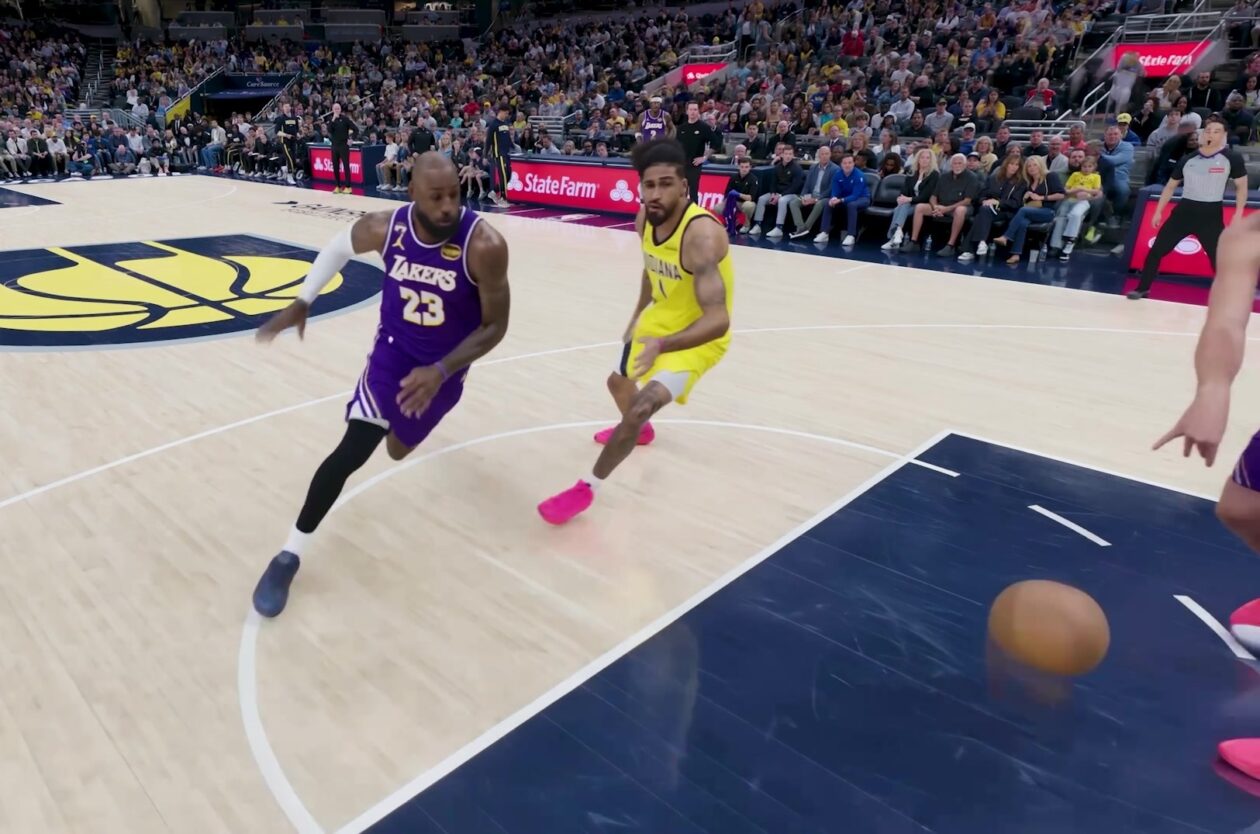
Amazon Prime Video Launches AI-Powered Prime 360 for NBA Coverage
Amazon Prime Video is elevating its NBA coverage with the introduction of Prime 360, an AI-powered replay system offering immersive, 'fly through' views of the action. Kicking off its second season, Prime Video also adds Yahoo fantasy integration and gains exclusive Eastern Conference Finals rights, expanding its tech-driven sports broadcast. The new features aim to deliver a unique and interactive viewing experience for basketball fans.
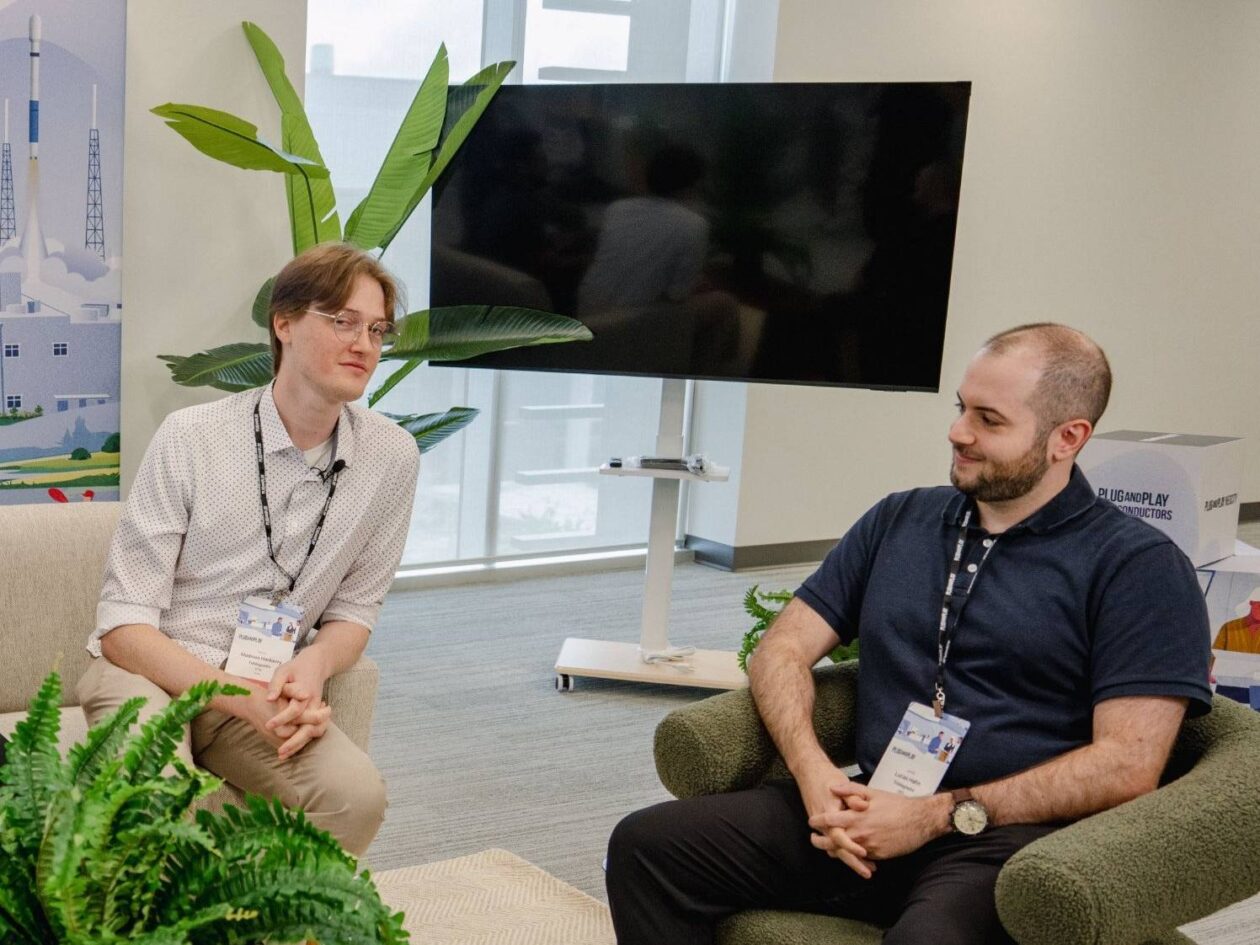
regional: A two-person Seattle startup lands $1M to reinvent
Seattle startup TriMagnetix has secured $1 million to develop semiconductor chips that consume 800 times less energy and are radiation-resistant. The two-person company, leveraging nanomagnetic technology, is targeting space applications and data centers. With new funding and key partnerships, TriMagnetix aims for commercial sales within a year.