
Amazon Moves to Block Class-Action Lawsuits with New T&Cs
Amazon has updated its terms and conditions to mandate binding arbitration and include a class action waiver for all customer disputes. This strategic move aims to prevent large-scale lawsuits, rerouting claims away from traditional courts and judicial oversight. The change marks a significant shift, especially after Amazon had previously removed similar language in 2021 following other legal challenges.

Amazon has dramatically revised its terms and conditions, aiming to reroute customer disputes away from traditional courts. The updated policy, communicated to users on Friday, August 16, 2026, introduces mandatory binding arbitration and a blanket waiver for class-action lawsuits. This strategic move by the e-commerce giant effectively sidelines judicial involvement, pushing all but the smallest claims into private, individualized arbitration.
Customers received email alerts detailing the significant changes. Amazon frames this shift as a means for “fast and efficient” resolution of issues. However, the core implication for users is the forfeiture of their right to a judge or jury in most circumstances.
Under the new terms, individuals are still permitted to take Amazon to small claims court for specific, minor disputes. Yet, the financial relief typically available through small claims actions is often limited to a few thousand dollars, rendering it an inadequate avenue for substantial consumer grievances or widespread issues.
Understanding the New Legal Stance
The updated sections of Amazon’s legal policies explicitly state:
"YOU AND WE AGREE THAT ANY DISPUTE OR CLAIM RELATING IN ANY WAY TO YOUR USE OF ANY AMAZON SERVICE, OR TO ANY PRODUCTS OR SERVICES SOLD OR DISTRIBUTED BY AMAZON OR THROUGH AMAZON.COM, WILL BE RESOLVED BY BINDING ARBITRATION RATHER THAN IN COURT…"
Further reinforcing its position, the policy includes a clear Class Action Waiver:
"YOU AND WE AGREE THAT ANY ARBITRATION PROCEEDING WILL BE CONDUCTED ONLY ON AN INDIVIDUAL BASIS AND NOT IN A CLASS OR REPRESENTATIVE ACTION. You and we may only seek or obtain individualized relief in arbitration, and claims or requests for public injunctive relief or relief where you or we act in a representative capacity are not allowed."
A Reversal After Previous Legal Challenges
This isn't Amazon's first foray into mandatory arbitration. The company had previously included similar language in its terms but removed it in 2021. That decision followed a period of escalating legal challenges, notably from users concerned about privacy relating to Alexa and its Echo speakers.
Over the years, Amazon has faced numerous class-action lawsuits covering a range of issues, from product returns to the mechanics of its Prime membership subscriptions. The reintroduction of this arbitration mandate appears to be a calculated response aimed at mitigating future collective legal actions of this nature, pushing toward mass arbitration rather than court-based class actions.
Implications and Potential Roadblocks
While Amazon aims to streamline dispute resolution and preempt large-scale litigation, the enforceability of such broad arbitration clauses, particularly those affecting class actions, is often subject to legal scrutiny. Legal experts frequently challenge these waivers, and their validity can vary depending on jurisdictional precedents and specific circumstances.
Should these new terms withstand potential legal challenges, they could compel aggrieved customers into a scenario often termed “mass arbitration.” This involves a large volume of individual arbitration demands being filed simultaneously, creating a different, but potentially still burdensome, legal landscape for the company. Ultimately, this aggressive legal maneuver signals Amazon’s clear intent to reshape the landscape of consumer litigation against it, favoring individualized, out-of-court resolutions over collective legal challenges.
FAQ
Q: What is binding arbitration, as described in Amazon's new terms?
A: Binding arbitration is a process where disputes are resolved by a neutral third party (an arbitrator) outside of court. The arbitrator's decision is legally binding, and by agreeing to it, customers waive their right to a traditional trial by judge or jury.
Q: How do these new terms affect class-action lawsuits against Amazon?
A: The updated terms include a class-action waiver. This means customers implicitly agree not to participate in class-action lawsuits against Amazon and are required to pursue any claims only on an individual basis through arbitration.
Q: Can customers still pursue legal action against Amazon in court?
A: For most disputes, customers are now bound to arbitration, foregoing a judge or jury trial. However, the terms do allow customers to take Amazon to small claims court in certain circumstances, though payouts in these cases are generally limited.
Related articles

Apple Unveils iPhone Duo: Pricey Foldable Sees Soaring Demand
Apple has officially entered the foldable smartphone arena with the long-anticipated launch of the iPhone Duo. Priced starting at a hefty $1,999, the device features a 5.4-inch outer display and a larger 7.6-inch inner

in-depth: Chicago-Area Cops Helped HSI Spy on Minnesota Anti-ICE
Chicago-area law enforcement, including local police and HSI agents, conducted undercover surveillance on Minnesota anti-ICE activists at an April 2, 2022, talk in Chicago. This operation was part of a federal conspiracy probe into 15 Minnesota activists facing felony charges related to immigration enforcement resistance. Civil liberties advocates have condemned the surveillance as a troubling intrusion into protected political activity.

Mark Wahlberg on using AI in film ‘the right way’ and being open to
Actor Mark Wahlberg believes AI has a place in filmmaking if used responsibly for enhancement, not script generation or actor replacement. At TechCrunch Disrupt, he expressed openness to an AI likeness carrying on his legacy, managed by his family, and emphasized storytelling.
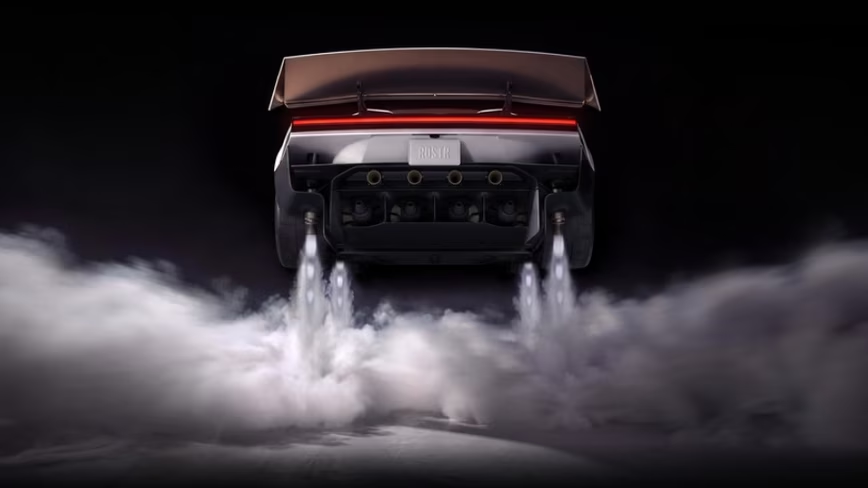
Tesla Unveils Thruster-Equipped Roadster, 2028 Production Targeted
Tesla has unveiled its second-generation Roadster, featuring cold-gas thrusters co-developed with SpaceX, enabling it to jump and flip. The electric sports car demonstrated 0-60mph in an astonishing 0.81 seconds, with production targeted for 2028. This highly anticipated reveal also serves as a key recruitment tool for Tesla's ambitious AI and robotics initiatives.
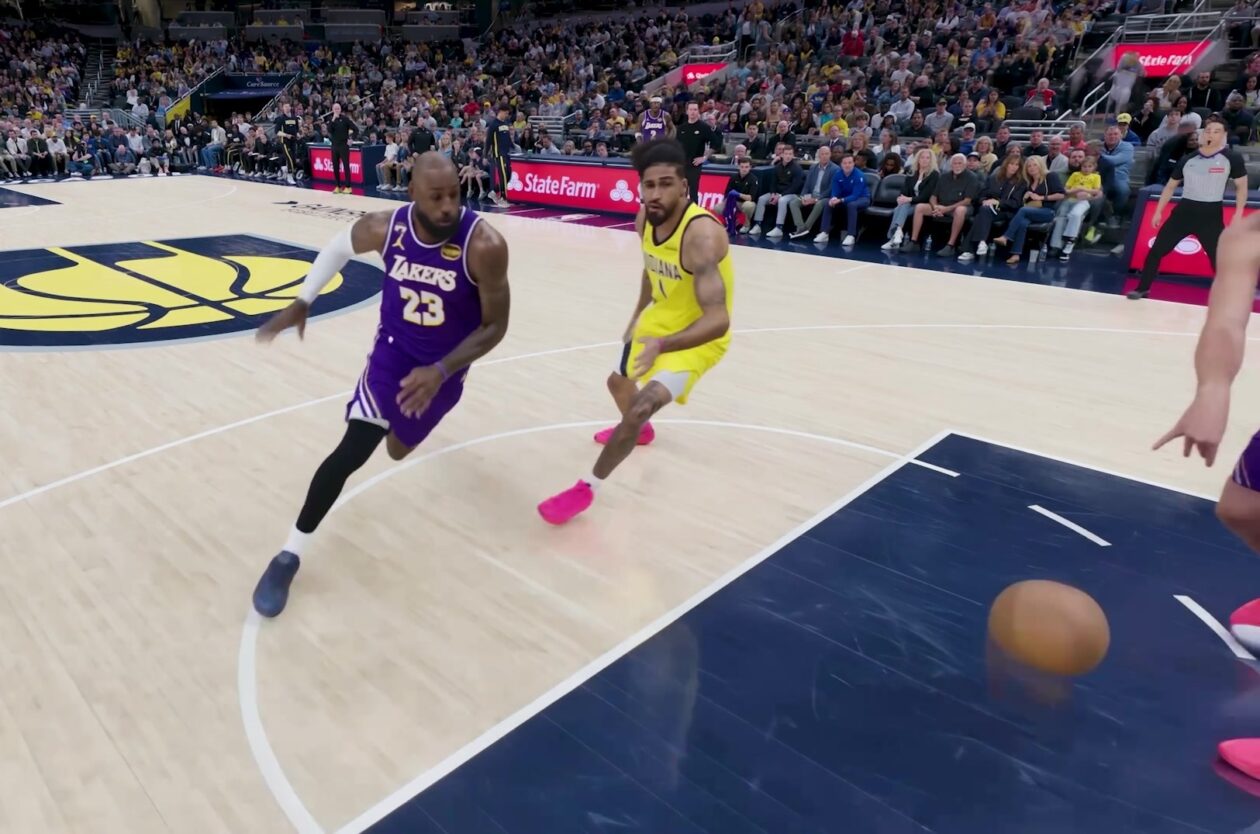
Amazon Prime Video Launches AI-Powered Prime 360 for NBA Coverage
Amazon Prime Video is elevating its NBA coverage with the introduction of Prime 360, an AI-powered replay system offering immersive, 'fly through' views of the action. Kicking off its second season, Prime Video also adds Yahoo fantasy integration and gains exclusive Eastern Conference Finals rights, expanding its tech-driven sports broadcast. The new features aim to deliver a unique and interactive viewing experience for basketball fans.

regional: A two-person Seattle startup lands $1M to reinvent
Seattle startup TriMagnetix has secured $1 million to develop semiconductor chips that consume 800 times less energy and are radiation-resistant. The two-person company, leveraging nanomagnetic technology, is targeting space applications and data centers. With new funding and key partnerships, TriMagnetix aims for commercial sales within a year.