
Amazon Kindle Sunset: A Reader's Rebellion
Amazon is discontinuing support for Kindles from 2012 and earlier, preventing on-device purchases of new books. Users are frustrated but many are embracing sideloading to extend their e-readers' lives.
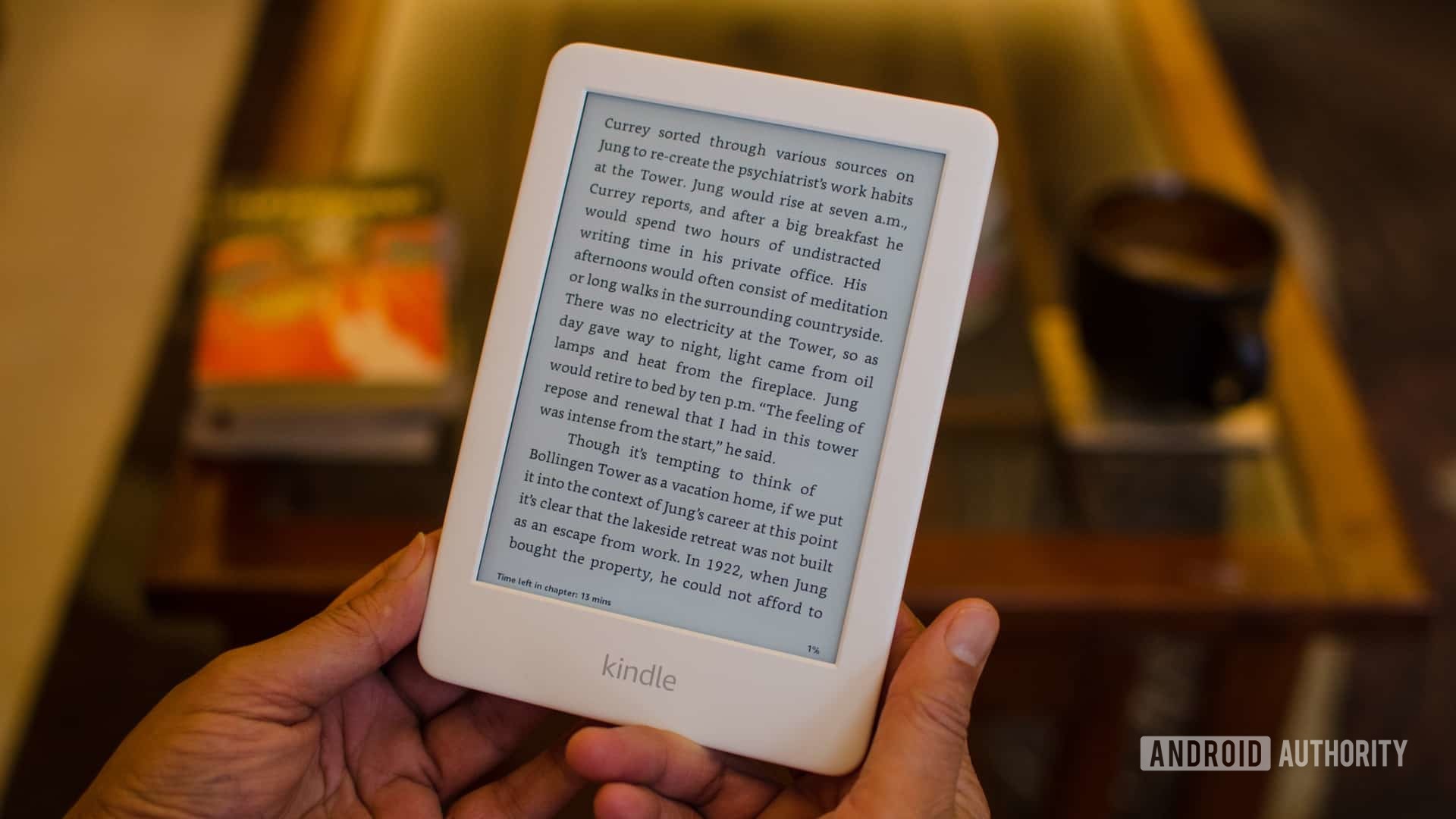
Amazon's decision to end direct on-device support for Kindles from 2012 and earlier has ignited frustration among a dedicated user base. This move, which prevents purchasing or downloading new books directly on older devices, is perceived as forced obsolescence for perfectly functional hardware. However, the community is swiftly responding with robust workarounds like sideloading, proving these e-readers retain significant utility. This situation vividly highlights the tension between reliance on integrated ecosystems and the user's inherent desire for long-lasting, simple technology.
The Sunset of Older Kindles: Amazon's Policy Shift
For over a decade, Kindles have been lauded for their exceptional longevity. Unlike the rapid upgrade cycles of smartphones, an e-reader was designed to be a long-term companion. This core expectation is now challenged by Amazon's announcement: effective May 20, Kindles released in 2012 or prior will no longer be able to buy or download new books directly on the device. While existing downloaded books will remain accessible, the crucial direct access to Amazon's vast digital store will cease for these models, transforming them into more constrained, local content readers.
User Frustration and the Demand for Durability
The reaction from the Kindle community, particularly prominent on Reddit, is one of palpable frustration. What's striking is that this isn't due to failing hardware; these devices are, for the most part, "still working just fine." The prevailing sentiment is that this move constitutes an unnecessary push for upgrades. As one commenter articulated, "Why replace something so simple like this that still works?" This query encapsulates a deep-seated user desire for technology that fulfills its purpose reliably over time, without artificial limitations.
Many users cherish their older Kindles for their singular focus and lack of superfluous features. They seek an appliance for reading, not a multi-functional gadget requiring constant updates. The belief, expressed by a user stating, "It’s a text reader, that’s it, no need to turn it into a brick other than money," is that Amazon's decision is financially motivated, intended to steer users toward newer models. This perception erodes trust, challenging the notion of e-readers as truly long-term investments.
Sideloading: The Community's Resilience
Despite the policy change, the Kindle community is far from resigned. A widely discussed and adopted solution is "sideloading," which involves transferring e-book files to the Kindle using a physical cable connection from a computer, or through other manual means. This method effectively bypasses the defunct on-device store, allowing users to continue populating their older Kindles with new content.
The viability of sideloading highlights the inherent robustness of these devices. Their hardware remains fully capable of displaying books, and core reading functionality is untouched by Amazon's policy. While the convenience of direct purchases is lost, this community-driven workaround ensures many "unsupported" Kindles will continue to serve their primary purpose for years, demonstrating user ingenuity in the face of corporate policy.
Amazon's Unexplained Position
Amazon has provided minimal transparent justification for this policy shift. The source content notes that while there might be "an obscure security-related reason," it is certainly not evident to users. This lack of clarity fuels speculation that the primary motivation is commercial – to drive upgrades. Without a compelling explanation, Amazon risks alienating loyal customers who feel their long-lasting devices are being arbitrarily limited. The unaddressed question of whether Amazon might eventually target sideloading next further underscores the skepticism.
Pros and Cons for Users
Pros:
- Existing Content Preserved: All books previously downloaded to affected Kindles remain fully readable.
- Empowerment via Sideloading: Users gain greater independence from Amazon's ecosystem by exploring alternative content transfer methods.
- Reduced E-waste Potential: Users opting for sideloading can extend device lifespan, contributing to less electronic waste.
Cons:
- Loss of Core Convenience: The most significant downside is the end of seamless, on-device purchasing and downloading.
- Perceived Forced Upgrade: Users feel pressured to buy new devices, leading to frustration and eroded trust.
- Inconvenience for Some: Sideloading requires a degree of technical comfort, potentially alienating less tech-savvy users.
- Unclear Justification: Amazon's lack of transparent reasoning contributes to user dissatisfaction and suspicion.
Recommendation
For current owners of Kindles from 2012 or earlier: If your device is functioning well, there's no immediate imperative to upgrade. Embrace the community-driven solution of sideloading; it's a perfectly viable way to keep your e-reader stocked with new content. This inconvenience can be reframed as an opportunity to gain more control over your digital library.
For prospective e-reader buyers: This policy change is a stark reminder about the potential fragility of integrated ecosystems. When considering a new e-reader, evaluate devices that offer more open file format support or are less reliant on a single storefront. This could provide greater long-term utility and peace of mind, ensuring your reading experience isn't solely dictated by a manufacturer's shifting policies.
FAQ
Q: What exactly will I lose on my older Kindle after May 20?
A: After May 20, 2024, if you own a Kindle released in 2012 or earlier, you will no longer be able to purchase new e-books or download previously bought titles directly onto your device. However, all books you have already downloaded will remain accessible and readable.
Q: Can I still get new books on my older Kindle?
A: Yes, you can. While direct on-device purchases are ending, you can use workarounds like "sideloading." This involves buying books on a computer (from Amazon or other sources) and then transferring them to your Kindle via a USB cable. Other indirect methods may also be available.
Q: Does this mean my old Kindle is completely useless?
A: Absolutely not. Your Kindle will continue to function as a reader for all existing content. With the use of sideloading, it can remain a perfectly viable and useful device for reading new books for years to come, despite Amazon ending direct support.
Related articles
Android 17 QPR2 Beta 7.1: The Performance Relief You've Been Waiting
Android 17 QPR2 Beta 7.1: Finally Fixing the QPR1 Performance Woes Verdict: Android 17 QPR2 Beta 7.1 is a crucial and highly anticipated software update for Google Pixel users, specifically targeting and resolving the

DJI Solo Video Setups: Smart Choices for Lone Creators
This review delves into DJI's recommended solo video setups, highlighting the Osmo Pocket 3 Creator Combo as a top pick for its integrated camera, gimbal, and mic. It also covers stabilizers like the Osmo Mobile 8 and RS 4, and the DJI Mic Mini series for enhanced audio, providing honest pros, cons, and clear buying advice.

Ars Technica's Rocket Report: Your Essential Space Industry Briefing
Quick Verdict Ars Technica's Rocket Report, presented by veteran space reporter Stephen Clark, offers an invaluable and meticulously organized weekly (or similar frequency, implied by "Edition 9.15") digest of the most

Apple iPhone Duo: A Daring Debut with Notable Compromises
Apple's highly anticipated iPhone Duo, priced at $2,000, has gone on pre-order. While hailed as "Apple's most exciting device in a decade" for its innovative foldable design and immersive display, it comes with significant drawbacks like the absence of FaceID and a premium camera.
Amazon Prime Video Launches AI-Powered Prime 360 for NBA Coverage
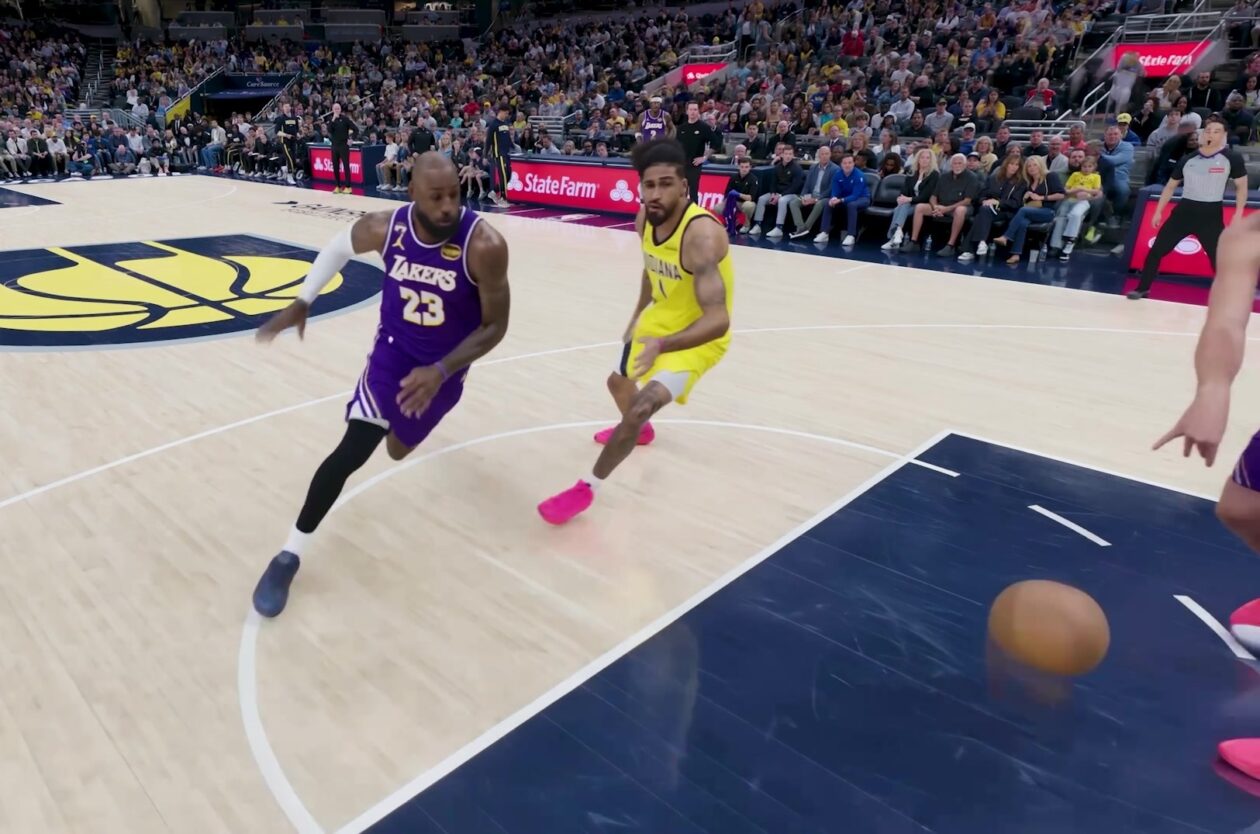
Amazon Prime Video is elevating its NBA coverage with the introduction of Prime 360, an AI-powered replay system offering immersive, 'fly through' views of the action. Kicking off its second season, Prime Video also adds Yahoo fantasy integration and gains exclusive Eastern Conference Finals rights, expanding its tech-driven sports broadcast. The new features aim to deliver a unique and interactive viewing experience for basketball fans.
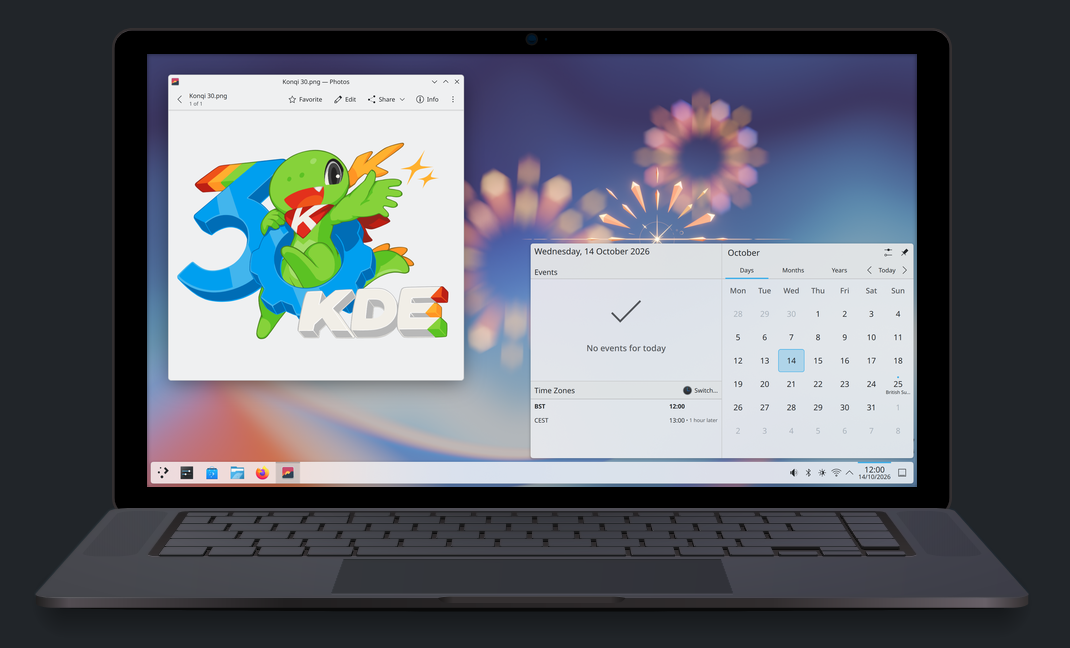
KDE Plasma 6.8: A Future-Focused 30th Anniversary Update
Quick Verdict KDE Plasma 6.8, arriving as the "30th Anniversary Edition," is a pivotal release that decisively pushes the desktop environment into the future. With a definitive farewell to native X11 sessions and a