
AI in the Workplace: A Double-Edged Sword for Connection
Quick Verdict: A Trade-off Between Efficiency and Connection The rising trend of workers turning to AI chatbots instead of their human colleagues presents a complex landscape. While AI undoubtedly boosts productivity

Quick Verdict: A Trade-off Between Efficiency and Connection
The rising trend of workers turning to AI chatbots instead of their human colleagues presents a complex landscape. While AI undoubtedly boosts productivity and self-sufficiency, it carries significant risks, potentially leading to increased loneliness, diminished professional growth, and weakened team dynamics. For organizations, it’s a critical moment to adapt and actively cultivate human connection alongside AI integration, ensuring that technology remains a supplement, not a replacement, for vital human interaction.
The New Workplace Dynamic: AI as Your Go-To Colleague
A recent wave of studies paints a clear picture of artificial intelligence's rapidly expanding role in the modern workplace. The headline figure is striking: a July survey by cognitive assessment platform MyIQ revealed that a significant 74% of workers who use AI now opt to ask their chatbots questions rather than turning to human colleagues. This isn't just a minor shift; it signals a fundamental change in how employees seek information, solve problems, and interact within their professional environments.
Further data underscores this trend. Workday's May research found that Gen Z, the newest entrants to the workforce, are 12 times more likely than Gen X to report feeling "completely disconnected" from their coworkers. Adding to this, Adobe for Business reported in July that 68% of workers would feel more comfortable posing an "obvious question" to a chatbot than to a human colleague. These statistics collectively highlight a growing reliance on AI for routine queries, potentially redefining the very nature of workplace communication and collaboration.
This shift comes at a time when global loneliness is a recognized public health concern, with the CDC estimating that one in three adults experiences loneliness. In the workplace, this figure stands at one in five worldwide, a trend exacerbated by the post-COVID rise of remote work. The core concern, as raised by researchers, is whether this growing dependence on AI will further erode human connections, leading to a less supported and potentially less productive workforce if not managed proactively.
User Experience: Efficiency at a Potential Cost
The adoption of AI for workplace queries offers a distinct user experience, characterized by both immediate benefits and concerning long-term drawbacks.
The Upside: Efficiency and Empowerment
From a productivity standpoint, AI delivers significant advantages. The MyIQ study noted that 71% of respondents felt more self-sufficient, and 62% felt more comfortable making independent decisions after consulting AI. Workday's findings echoed this, with a substantial 86% of those surveyed reporting increased productivity. For remote workers, Adobe found that agentic AI led to a 35% reduction in imposter syndrome and mental load, suggesting a benefit in reducing the pressure of seeking help from others.
Allison Clair, founder of AJC Communications & Advisory, shared her firsthand experience, highlighting AI's utility in asynchronous work environments. For her, AI acts as a reliable sounding board for hashing out ideas, especially when team members are in different time zones. She also appreciated how AI helps "pairing down some of the more extraneous chats that might crop up in the workplace," allowing for more focused work.
These benefits suggest that AI can be a powerful tool for rapid problem-solving, fostering independence, and streamlining workflows, especially in dispersed teams.
The Downside: Erosion of Connection and Growth
However, the perceived efficiency comes with potentially serious consequences for human interaction and professional development. Maria Goyal, a 25-year-old marketing agency employee, described feeling "isolated and self-conscious" about approaching experienced colleagues for help, instead being directed to AI. She articulated a key concern: "It prevents me from like learning more in depth rather than just having like a robot do it for me."
Constance Noonan Hadley, founder of the Institute for Life at Work, emphasizes the hidden value in human interaction. Asking a coworker a question isn't just about getting an answer; it's an opportunity to build trust, identify expertise, understand different problem-solving approaches, and gauge willingness to help. The MyIQ report succinctly states that AI "can preserve the practical answer while removing much of that social information." This loss of informal learning and relationship-building can lead to stalled professional growth and anxiety among workers who fear their expertise could be easily replaced.
For team leaders, this trend is equally concerning. Adam Mendler, a leadership expert, warns that reduced interaction with talent makes it harder to recruit, retain, and develop employees. Furthermore, the "squishy" aspect of good workplace vibes has tangible business implications: lonely employees are linked to increased absenteeism, higher turnover, greater healthcare costs, and lower productivity. Gallup estimates that low employee engagement, a measure of psychological attachment to work and team, cost the global economy approximately $10 trillion in lost productivity last year.
Navigating the Future: Recommendations for a Hybrid Workplace
Recognizing these challenges, experts and experienced professionals are advocating for thoughtful integration strategies. Sophie de Villiers of MyIQ suggests that organizations must "think differently about how they support workplace learning" if questions are increasingly directed to AI. Adam Mendler stresses that leaders need to actively "create opportunity for more human connection."
Constance Noonan Hadley and Sarah L. Wright, in the Harvard Business Review, propose several actionable steps:
- Monitor Social Impact: Companies should proactively assess how AI adoption is affecting workplace social dynamics.
- Establish Clear Guidelines: Create policies defining when AI is appropriate for answering questions versus when human interaction is essential.
- Design AI to Prompt Human Interaction: Integrate features where an AI assistant might direct an employee to a human colleague for specific types of questions, fostering connection rather than bypassing it.
- Leverage AI for Relationship Building: Use AI to handle administrative tasks related to team-building activities, such as planning events like monthly outings, freeing up human time for actual interaction.
Allison Clair, despite her reliance on AI, consciously sets aside time for in-person client visits and casual chats with her team. She understands that "Work is also relationships and people, and so I don't think there's any real replacing the day-to-day of that." Maria Goyal echoes this sentiment, envisioning AI as a "supplement to collaboration," not a substitute.
Buying Recommendation: Thoughtful Integration is Key
The "product" here isn't a single device, but rather the strategy of integrating AI into daily workplace communication. Given the evidence, a blanket adoption without consideration for human interaction is a critical error. Organizations should adopt AI as a tool to enhance efficiency and provide quick answers, but with a robust framework that simultaneously prioritizes and actively fosters human connection and collaboration. Invest in AI solutions that offer customization to nudge employees toward human interaction where beneficial. The goal should be augmentation, not replacement, of human colleagues. Prioritize training for both AI usage and the importance of maintaining interpersonal workplace relationships. The smartest investment is in a hybrid approach that leverages AI's strengths while mitigating its social and developmental drawbacks.
FAQ
Q: Is using AI for workplace questions inherently bad?
A: Not inherently. AI can significantly increase productivity, self-sufficiency, and comfort in asking basic questions, especially in asynchronous or remote work settings. The issue arises when it completely replaces valuable human interactions, potentially leading to isolation and missed learning opportunities.
Q: How can organizations prevent negative consequences from AI use?
A: Organizations should implement clear guidelines for AI usage, design AI systems that occasionally prompt human interaction, and actively create opportunities for employees to connect and collaborate. Leaders must also role-model and emphasize the importance of human communication for team building and professional development.
Q: What are the biggest risks of over-relying on AI in the workplace?
A: The biggest risks include increased employee loneliness and isolation, hindered professional growth due to reduced learning from experienced colleagues, weakened team cohesion and trust, and potential financial costs for businesses through higher turnover, absenteeism, and lower overall productivity.
Related articles

Chuwi UniBox AI495 Pro Review: A Mini AI Powerhouse
Chuwi's UniBox AI495 Pro review: A powerful mini workstation with 192GB RAM and an AMD Ryzen AI chip for local LLM processing, packed into a compact, Mac Pro-esque design.

Unions Level Up: How Collective Power is Reshaping Game Dev
The gaming industry is seeing a massive shift as unionization rises globally, securing vital worker protections, better pay, and AI safeguards. This collective movement is empowering developers and fundamentally changing workplace dynamics. It's a win for workers, and ultimately, for the games we play.
Pixel Connectivity: Battery Drain, Not Data Speed, Is the Real
Google's Pixel series has consistently offered a compelling Android experience, often earning a spot on recommendation lists for its clean software and camera prowess. However, a recurring shadow has loomed over the

CNET's NYT Connections: Sports Edition Hints & Answers - Daily Puzzle
CNET's daily guide for NYT Connections: Sports Edition offers clear, spoiler-protected hints and answers, making it an efficient and reliable resource for sports puzzle enthusiasts.
Unofficial Sony Headphone PC Apps: Ditch Your Phone, Take Control
Tired of Sony's mobile app? These unofficial, open-source PC tools like Sony Device Center and SonyBridge offer desktop control over your Sony headphones' ANC, EQ, and more. A convenient, albeit unofficial, solution for Windows, Linux, and Mac users looking to ditch their phone for audio adjustments.
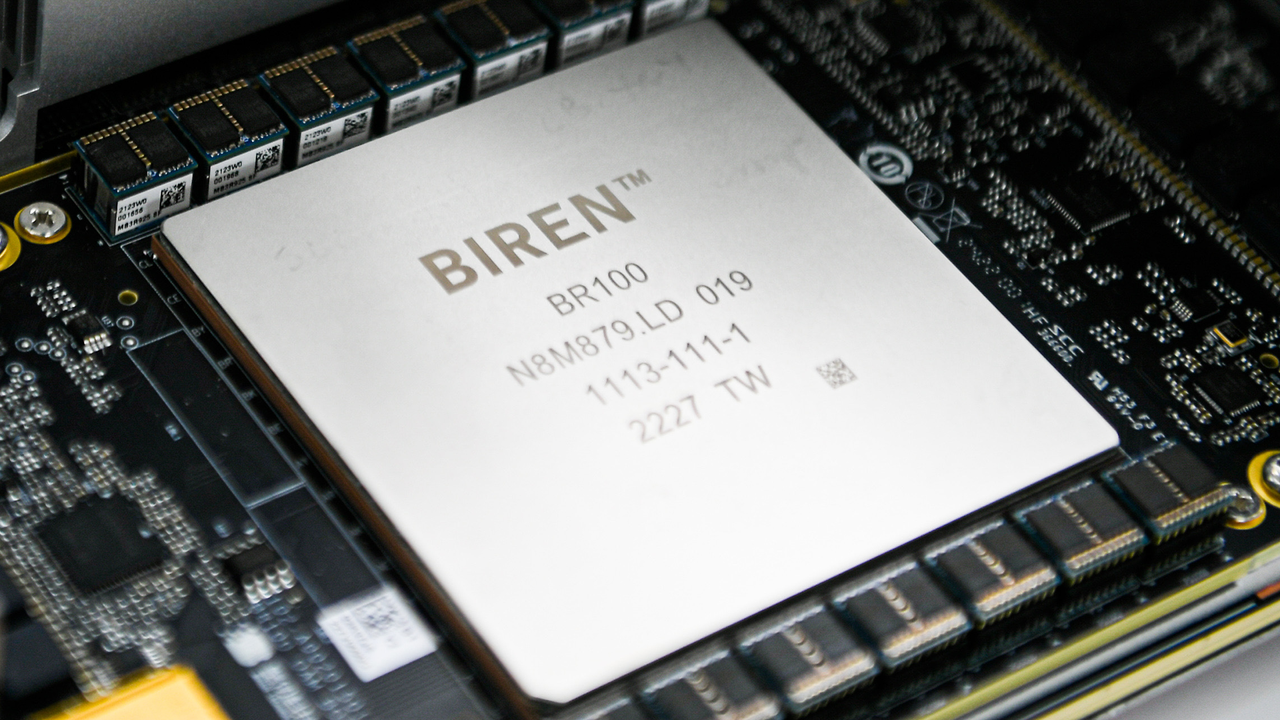
Biren AI Accelerators: Explosive Growth in a Restricted Market
Biren Technology shows explosive 2,000% revenue growth in China's AI accelerator market, benefiting from US export controls. Despite impressive gains from a small base, challenges in manufacturing and software remain.